For flourishing health, you need foods that contain active ingredients to boost your immune system and keep you robust and active.
Vitamins B6 and B12 As you get older; your absorption of these is reduced, so you will need to take supplements. Meat (especially pork), liver, fish, eggs, wholegrain cereals, wholemeal bread, bananas, pulses, brown rice, nuts and yeast extract are good sources of these vitamins.
| Prunes are very effective at relieving constipation as they contain a substance called hydroxyphenylistin which stimulates the muscles of the large bowel. They also provide potassium, iron and vitamin B6. In common with all dried fruit, dried prunes have a higher calorie content that fresh (four times as much, so don’t go overboard or your waistline may suffer! |
Vitamin C is a great antioxidant: it boosts your immune system, promotes wound healing and increases your absorption of iron, Citrus fruit, tomatoes, potatoes, sweet peppers and broccoli contain abundant amounts.
Vitamin D helps you to absorb calcium and keeps your bones healthy. Many older people in the United Kingdom are deficient in vitamin D, which is made by the action of sunlight on the skin.
When the weather is fine make sure that you get outside for at least 30 minutes each day. If you go for a daily walk in the sunshine, the exercise will be doing you good too. Use a sunscreen when the sun is hot.
You should also eat foods rich in vitamin D. These include oily fish, eggs and dairy products. And eat margarines-they are fortified with extra vitamin D. Choose those made with heart-friendly oils such as olive, sunflower, safflower and soya. It may be that you are unable to get out of the house much. In this case supplements can be a real help: a daily combined supplement of calcium and vitamin D has recently been shown to reduce bone fractures by 30-40 per cent in elderly housebound women.
Vitamin E To keep your immune system healthy, top up your vitamin E intake from seeds and seed oils, nuts, wheatgerm, wholemeal bread and leafy green vegetables.
Potassium and magnesium Long-term use of medication such as diuretics can speed up the loss of potassium and magnesium. Low levels cause depression and may result in muscle weakness. Bananas, meat, potatoes, oranges, and dried fruit are rich in potassium and nuts, bananas, apricots and soya beans will provide good amounts.
| Unzip a banana if you want to help keep your blood pressure at a healthy level. Bananas are rich in potassium and gentle on your digestive system too. |
Zinc and copper Both mineral boost your immune system and promote healing. Levels are often low in elderly people, so eat zinc-rich foods such as oysters, meat, liver, pumpkin and sunflower seeds. And get copper from liver, kidneys, nuts and cocoa.
Calcium As you get older, you need to be aware that your body is less efficient at absorbing calcium. Dairy products are one of the richest sources- but other calcium-rich foods include canned fish such as pilchards and sardines, white bread, apricots and baked beans. Choose skim milk, low-fat yogurt, and low-fat cheese to avoid saturated fats. A single serving can provide you with 20% of the 1,200 milligrams a day you need. You can also add calcium to your diet with calcium-enriched cereals and orange juice. Foods such as dark green vegetables, dried beans, and sardines also contain calcium.
| Researchers at Purdue University found that women who consume calcium from low-fat dairy products or get at least 1,000 milligrams a day showed an overall decrease in body weight. |
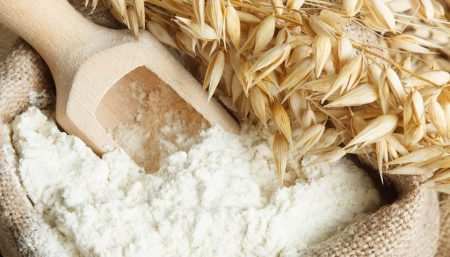
Using bran The phytate in wheat bran hinders the absorption of calcium, iron, zinc and copper, so avoid sprinkling raw bran over your food. Instead, buy good quality, high-fiber cereals – these contain the right balance of bran. Most health organizations recommend 20-35 grams a day.
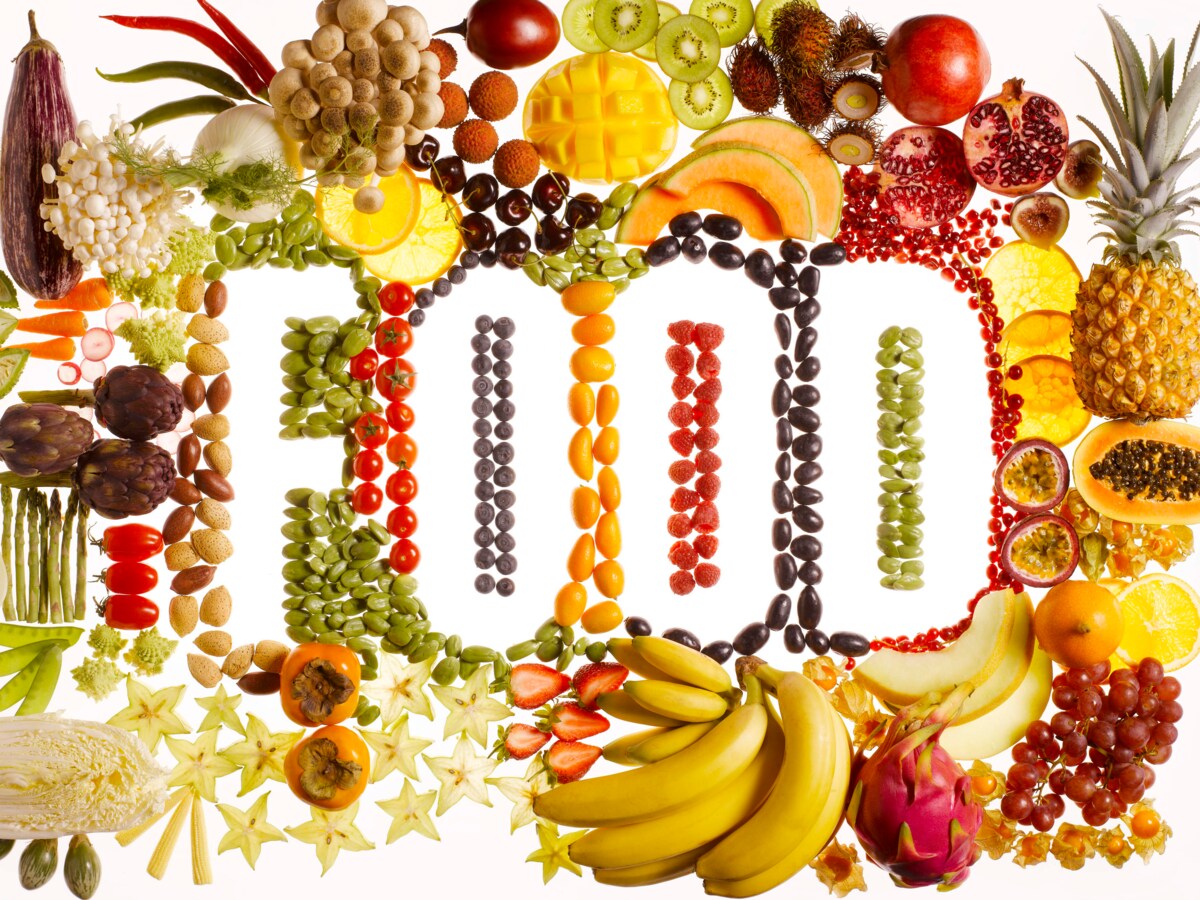
Your “superfoods” color chart should include:
When you’re thinking “superfoods,” think color.
- Deep green –Cruciferous vegetables like broccoli, spinach, and kale are good sources of calcium to help with healthy bones and teeth.
- Red –Red tomatoes, cranberries, and pomegranates are beneficial sources of lycopene and anthocyanins, which help urinary tract health and memory function.
- Orange/yellow –Squash, carrots, sweet potatoes, and yams are great sources of antioxidants and help vision.
- Deep blue/purple –Eggplant, plums, blueberries, and blackberries can help with urinary tract health, healthy aging, and memory.
Water for Energy and Your Skin
We need water to flush out toxins, keep our tissues hydrated, keep our energy up.
Water is also essential if you’re eating high-fiber foods. It helps fiber do its job.
If plain water doesn’t quite do it for you, add slices of lemon, lime, or orange for flavor without calories. Or try a sprig of mint for a refreshing change of pace.
Disclaimer
The Content is not intended to be a substitute for professional medical advice, diagnosis, or treatment. Always seek the advice of your physician or other qualified health provider with any questions you may have regarding a medical condition.