According, to a U.S. research, women who eat low-fat dairy foods may have a higher risk of infertility than those who treat themselves to full-fat ice cream or cheese. They found that women who ate two or more servings of low-fat dairy foods a day had an 85 percent higher risk of a certain type of infertility than women who ate less than one serving of low-fat dairy food a week. The women who ate the most low-fat dairy foods were the most likely to report they suffered from anovulatory infertility, when the body fails to produce enough egg cells.
Try to eat organic food whenever possible. Herbicides, fungicides and insecticides all linger on food after it is produced. These substances can disrupt hormone production in humans because they confuse hormones in pests. A synthetic estrogen, Xenoestrogen, is sprayed on food to prevent insects from breeding. The same hormone can affect human reproduction. |
Facts like these can leave an IVF patient confused on – what and what-not to eat. This article will provide a better insight on foods to avoid while undergoing a fertility treatment.
1. Refined and processed carbohydrates are foods that should be avoided with IVF treatment. They affect insulin levels, which lead to hormonal imbalances. The risk of ovulatory failure is greater in those who eat processed cereals and white rice than women who choose whole grains.
2. Refined sugar is another food to avoid with IVF. Sugar is fast burning and will cause blood sugar imbalances as levels sing from high to low. Sugar acts differently than carbohydrates. The dramatic changes in insulin can cause cases of insulin resistance, and insulin resistance can have an adverse effect on fertility.
3. Saturated fat and trans-fat: You definitely need to avoid these foods with IVF treatments. Eating high amounts of saturated fats and polyunsaturated fats also made IVF success less likely, says researcher Jorge E. Chavarro, MD, an assistant professor of nutrition and epidemiology at Harvard School of Public Health. Women who ate the most saturated fats (found mostly in animal food sources) had fewer mature oocytes — cells that form eggs. Also, women who ate the most polyunsaturated fats also had a 12% higher proportion of cells in the embryo that were dividing more slowly than expected. Another study from the Harvard School of Public Health indicated that, women who cut back on their saturated fat intake may have a better chance of having a baby via IVF. Fast foods are to be avoid due to very high percentage of saturated fats, trans fats,sodium and cholesterol which can be a major cause of infertility due to obesity.

4. Cheese. Avoid eating mould-ripened soft cheese, such as brie and camembert, and blue-veined varieties, such as stilton or Danish blue, because of the risk of listeria infection. Avoid consuming un-pasteurised milk during pregnancy.
5. Coffee: “If you drink more than five cups of coffee a day, you reduce your chances of achieving pregnancy during IVF treatment by 50%,” says researcher Ulrik Kesmodel, MD, PHD, a consultant gynecologist at the Fertility Clinic of Aarhus University Hospital in Denmark.
6. Seafood & Fish: Always avoid fish high in mercury. Mercury has been known to cause serious birth defects so staying away is essential in your efforts to get pregnant. The consumption of the smoked seafood that is not canned is not recommended for pregnant women and during pregnancy because it could carry listeria and infect a woman with listeriosis, a potentially dangerous condition during pregnancy. Avoid raw or undercooked shellfish such as oysters, mussels, cold prawns, crab.
7. Raw Eggs: They contain bacteria called Salmonella which causes food poisoning and other diseases. You need to avoid dishes like caeser salad, cookie batter and eggnog as they have raw eggs.
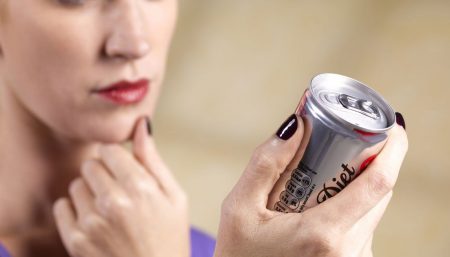
9. Aspartame and Other Artificial Sweeteners:If you need your artificial sweetener for your cup of decaf tea, opt for something with more nutritional value such as Agave Syrup. Read food labels to see if artificial sweeteners have been added. Avoid using saccharin or cyclamates. Sucralose (splenda) is a non-calorie sweetener that is derived from a sugar molecule and is therefore thought to be safe.
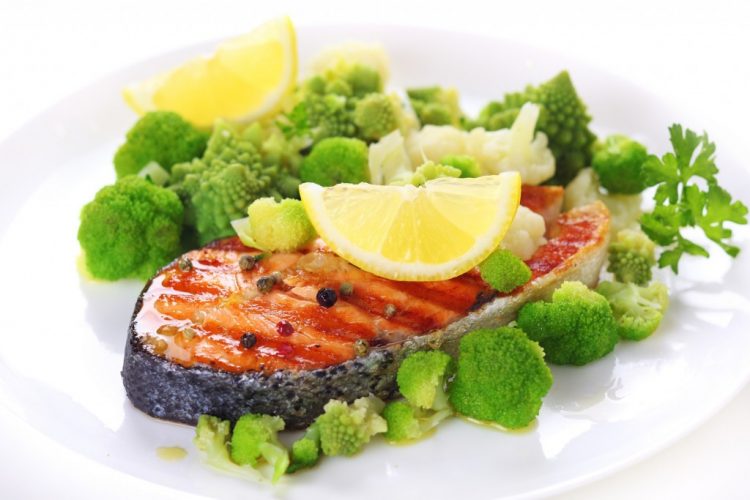
10. Vegetables cannot be one of the foods to avoid during pregnancy but you need to make sure that they are thoroughly washed before you consume them. Vegetables can be exposed to toxoplasmosis, a parasitic disease of plants.
Studies have supported the disruptive effect of consuming these foods on pregnancy rates so, avoid at all costs. After all, pregnancy is being attempted and all obstacles have been addressed or removed with IVF treatment, why create more intentionally.
The best kinds of food to eat are avocados, which have a lot of monounsaturated fat and low levels of other sorts of fat, and olive oil. |
Ensure a healthy balanced diet and do not take part in any weight loss program after egg implantation.
References
Disclaimer
The Content is not intended to be a substitute for professional medical advice, diagnosis, or treatment. Always seek the advice of your physician or other qualified health provider with any questions you may have regarding a medical condition.