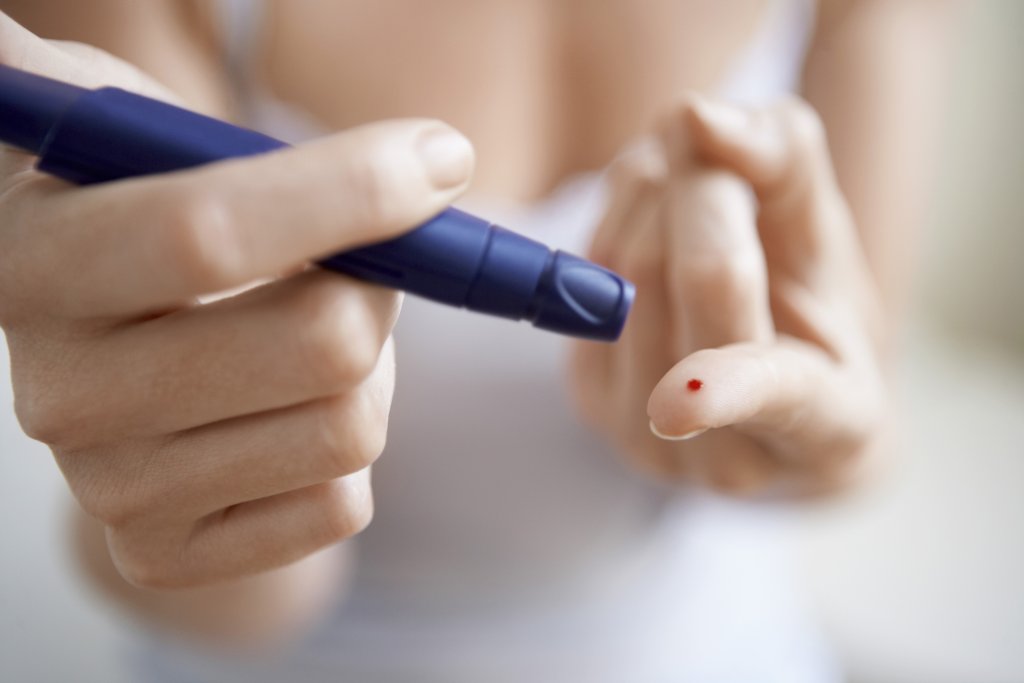
Hypoglycemia is the medical term for a low blood sugar level. When the level of sugar in your blood drops below a level at which your body is comfortable, which varies under different circumstances, you are likely to feel very unwell. The most common symptoms are weakness, shaking, mood swings, insomnia, migraine and headaches, pallor, irritability, nausea and fatigue.
The majority of women who experience symptoms of hypoglycaemia find that the symptoms can easily be rectified by adopting good eating habits.
GUIDELINES FOR PREVENTING AND MANAGING HYPOGLYCEMIA
These nutritional principles are aimed at keeping your blood sugar level as steady as possible. The foods you eat and the pattern of eating should prevent your sugar level from rising and falling rapidly.

 EAT A WELL-BALANCED DIET
Focus your eating plan on fresh vegetables, fruit and wholegrain cereal foods, with lean proteins, small amounts of fat and plenty of water.
 EAT SMALL MEALS, OFTEN
You can help stabilize your blood sugar levels by making sure that you have small, regular meals. Try not to leave more than three or four hours between your snacks or meals. This eating pattern prevents your blood sugar from dropping too low and helps you refrain from overeating at meal times. Overeating could overload your body with large quantities of sugar containing foods. It is much better to space meals out and give your body a chance to digest food well, rather than go for long periods of not eating and eating and then overeating.
Having five or six small snacks, rather than three large meals will not cause weight gain as long as the total amount you need to consume does not vary. Separating your main meals into two or more courses can provide a healthy eating pattern that should not increase your weight.
Regular meals not only help to keep your blood sugar level steady, they also help protect your stomach from too much acid and ensure that there is a regular flow of food through the bowel.

 KEEP SNACKS HANDY
Make sure that you have a supply of snacks readily available so that you can have something appropriate to eat every few hours. Choose foods that are high in neither fat nor sugar. Fresh or dried fruits, cake or biscuits made with whole-wheat flour or oats are good to keep in your handbag or at work.
 AVOID SUGARY FOODS ON AN EMPTY STOMACH
If you eat a sugary food on empty stomach, the level of sugar in your blood rises quickly. The rapid rise in sugar level causes your body to secrete too much insulin, which then causes your sugar level to fall quickly. Enjoy them as a occasional treat, have them after a meal containing a lot of fibre, i.e. a meal with lots of vegetables, wholegrains or pulses. The fibre will have a cushioning effect and help to slow down the rise in sugar.

 AVOID DRINKING ALCOHOL ON AN EMPTY STOMACH
Alcohol has much the same effect on your blood sugar as sugary foods, ultimately resulting in falling blood sugar levels and distressing low-sugar symptoms. If you wish to drink alcohol make sure you have it with a meal that contains some fibre, which will help to cushion the adverse sugar effects.
 AVOID CAFFEINE-CONTAINING DRINKS
Caffeine, present in coffee, tea, cola-based drinks and hot chocolate, stimulates your pancreas to secrete more insulin. This aggravates sugar sensitivities and low-sugar symptoms.
 TRY TO KEEP YOUR BODY WEIGHT STABLE AND WITHIN THE IDEAL RANGE

It is important to make sure that your body weight is acceptable and doesn’t fall or rise rapidly. ‘Crash’ dieting frequently causes hypoglycemic episodes;
 TRY TO GIVE UP SMOKING
Be aware that smoking compromises your ability to control. your blood sugar levels. Nicotine, present in cigarette smoke, increases the production of insulin and decreases the production of another hormone called glucagon. Glucagon is secreted in the liver in response to low blood sugar levels. Glucagon’s role is to stimulate the liver to release glucose which has been stored in the liver as glycogen. If you smoke your body may find it very difficult to regulate its levels, as it is forever reacting to a dose of nicotine.
 TRY TO KEEP HEALTHY IN BODY AND MIND
A healthy body and mind is much less likely to suffer from conditions such as hypoglycaemia. Try to set aside time for yourself to relax every day and exercise at least three time a week.

 DO YOU NEED A CHROMIUM SUPPLEMENT?
Chromium is a trace element, i.e. a mineral that is found in the body and needed in minute quantities. It is essential for the production of insulin, the hormone that the body produces to control blood sugar levels. Low levels of chromium in the body have been linked with poor blood sugar control. Some of the more concentrated sources of chromium are scallops, clams, cheese, black pepper, brewers’ yeast, baked beans and whole wheat products .
Disclaimer
The Content is not intended to be a substitute for professional medical advice, diagnosis, or treatment. Always seek the advice of your physician or other qualified health provider with any questions you may have regarding a medical condition.