All women who will be pregnant through the influenza season (October – May in the United States) should be vaccinated against influenza, according to recommendations made by the Centers for Disease Control and Prevention’s Advisory Committee on Immunization Practice (ACIP) and supported by the COP.

(The above has been published in October issue of Obstetrics and Gynecology by ACOG.)
Influenza, commonly called “the flu,” is an illness caused by RNA viruses that infect the respiratory tract of many animals, birds, and humans. In most people, the infection results in the person getting fever, cough,headache, and malaise (tired, no energy); some people also may develop a sore throat, nausea, vomiting, and diarrhea. The majority of individuals has symptoms for about one to two weeks and then recovers with no problems. However, compared with most other viral respiratory infections, such as the common cold, influenza (flu) infection can cause a more severe illness with a mortality rate (death rate) of about 0.1% of people who are infected with the virus.
Symptoms
Typical clinical features of influenza include
- fever (usually 100 F-103 F in adults and often even higher in children),
- respiratory symptoms such as
- cough,
- sore throat,
- runny or stuffy nose,
- headache,
- muscle aches, and
- fatigue, sometimes extreme.
Most candidates who get the flu recover completely in one to two weeks, but some develop serious and potentially life-threatening medical complications, such as pneumonia.
Prevention
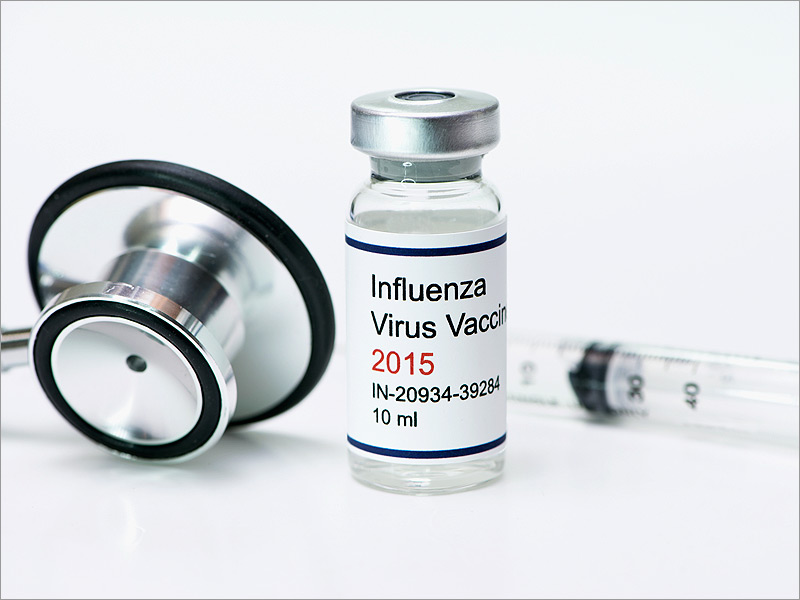
Much of the illness and death caused by influenza can be prevented by annual influenza vaccination. Flu vaccine (influenza vaccine made from inactivated and sometimes attenuated [non-infective] virus) is specifically recommended for those who are at high risk for developing serious complications as a result of influenza infection. The CDC has listed these groups listed below as being at high risk and should obtain the novel H1N1 vaccine as soon as it is available to them:
- pregnant women,
- people who live with or care for children younger than 6 months of age,
- health-care and emergency-services personnel,
Studies of healthy young adults have shown influenza vaccine to be 70%-90% effective in preventing illness. Studies show the vaccine reduces hospitalization by about 70% and death by about 85% among the elderly who are not in nursing homes. Among nursing-home residents, vaccine can reduce the risk of hospitalization by about 50%, the risk of pneumonia by about 60%, and the risk of death by 75%-80%.
Pregnancy and immunization
Pregnant women are vulnerable to the risks from seasonal influenza and also had excess mortality during the influenza pandemics of 1918 to 1919, 1957 to 1958, and the 2009 pandemic — supporting the need for vaccination in this group. All women who will be pregnant through the influenza season (November- March) should be vaccinated against influenza, according to recommendations made by the Centers for Disease Control and Prevention’s Advisory Committee on Immunization Practice (ACIP) and supported by the COP.

As long as there is a sufficient supply of vaccination, unvaccinated pregnant women should be immunized at any time during influenza season, using inactivated influenza vaccine. It is preferable, though, to vaccinate pregnant women early in the influenza season, regardless of gestational age. Live attenuated influenza vaccine is contraindicated during pregnancy.
Research suggests that pregnancy increases the risk for complications from the flu, including pneumonia and symptoms severe enough to require hospitalization. Since pregnancy alters an expectant mother’s immune system, impacting the functions of both the heart and lungs, a case of the flu can become problematic. Influenza during pregnancy can increase the risk of miscarriage, and the high, sustained fever some women experience with the flu increase the risk of the birth defect spina bifida.
Live vaccines are NOT recommended for pregnant women. |
In addition, maternal immunity achieved through vaccination is the only effective strategy for newborns, because the influenza vaccine is not approved for use in infants younger than 6 months. A prospective, blinded, randomized controlled trial showed fewer cases of laboratory-confirmed influenza and of respiratory illness with fever among infants of immunized mothers.
Note: If you have an allergy or sensitivity to eggs, or any previous negative affect from an influenza vaccination, let your health care provider know. The flu vaccination is probably not appropriate for you in this case. In addition to getting vaccinated – or if you have an egg allergy and can’t get the shot –you can reduce your chance of getting influenza by washing your hands frequently with a mild soap and warm water and avoiding close contact with anyone who has the illness.
If you’re pregnant and you think you have the flu, contact your midwife or doctor without delay. Do not take any over-the-counter products, including herbal remedies, until cleared by your health care provider. Some over-the-counter flu remedies, dietary supplements, and herbals are dangerous during pregnancy.
Disclaimer
The Content is not intended to be a substitute for professional medical advice, diagnosis, or treatment. Always seek the advice of your physician or other qualified health provider with any questions you may have regarding a medical condition.