Leukemia is a cancer of the blood-forming tissues in which millions of abnormal white blood cells crowd out normal ones.
The occurrence of leukemia during pregnancy is very rare with an estimated incidence of one per 100,000 pregnancies annually. It has been estimated that during pregnancy most leukemias are acute: two thirds are myeloid(AML) and one third are lymphatic (ALL).Chronic myeloid leukemia (CML) is found in less than 10% of leukemias during pregnancy and chronic lymphocytic leukemia (CLL) is extremely rare.
The survival of pregnant and non-pregnant women with acute leukemia has improved with the availability of modern chemotherapy and supportive care. Remission rates of 70-75% and median survival time of 6 to12 months are currently reported for pregnant women. These figures are not different from those achieved in non-pregnant women with acute leukemia.
A mother’s exposure to any type of pesticide in her home during pregnancy can contribute to twice as much risk of her child developing leukemia, compared with mothers reporting no pesticide exposure.
Acute leukemia can affect pregnancy and the fetus.
Intrauterine growth retardation has been reported in mothers not treated with chemotherapy.
In addition, preterm labor, induced and spontaneous abortion as well as still birth are common in acute leukemia.
Although there is an estimated teratogenic risk rate of 10% when chemotherapy is administered in the first trimester, no fetal malformations and no late side effects have been reported in children born to mothers who were treated for acute leukemia during early pregnancy .
Treatment

It is generally believed that pregnant women should be treated as non-pregnant women.
Therapeutic abortion should be considered in early gestation, but if the woman decides to continue the pregnancy certain drugs, like methotrexate, should be replaced. Standard anti-leukemic treatment can be safely administered during the second and third trimesters. Delivery should be accomplished when fetal survival can be ensured and the mother is in complete remission. There are rare reports of leukemia blasts infiltrating the placenta and a single case of infantile acute monocytic leukemia caused by vertical transmission of the mother’s leukemia cells.
Five cases of relapse of ALL in pregnancy have been reported in the medical literature. The mechanisms attributable to the immunologic and hormonal changes of pregnancy have been postulated. All five patients were treated between 2 weeks and 4.5 months with cytotoxic chemotherapy with the fetus still in utero. Four out of five patients delivered healthy and normal infants and an elective abortion was reported. Unfortunately, all mothers except one died of their disease in under 2 years.
Chronic myeloid leukemia during pregnancy should be treated as in the nongestational patients. Since the disease has an initial chronic phase, it is usually managed conservatively during pregnancy, while an aggressive approach, such as bone marrow transplantation, may be considered after delivery. A limited number of cases described successful treatment modalities of CML during pregnancy including leukapheresis, hydroxyurea and interferon.
Pregnancy complicated by hairy cell leukemia is extremely rare.Splenectomy is a safe and effective treatment option during the second trimester for this rare condition Single cases have been treated with interferon during pregnancy.
Prevention

- Folate supplements taken by pregnant women may also protect babies from leukemia.
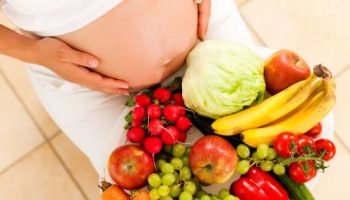
- A new study, suggests that women who eat more vegetables, fruit and foods containing protein before pregnancy may have a lower risk of having a child who develops leukemia, the most common childhood cancer in the United States.
The study, published in the August 2004 issue of Cancer Causes and Control, is the first time researchers have conducted a systematic survey of a woman’s diet and linked it to childhood leukemia risk.
Within the fruit and vegetable food groups, certain foods – including carrots, string beans and cantaloupe – stood out as having stronger links to lower childhood leukemia risk. The researchers point to the benefits of nutrients, such ascarotenoids, in those foods as potential protective factors.
The researchers looked further and found that glutathione was the nutrient in the protein group with a strong link to lower cancer risk. Glutathione is an antioxidant found in both meat and legumes, and it plays a role in the synthesis and repair of DNA, as well as the detoxification of certain harmful compounds. National guidelines recommend that people eat at least five servings of fruits and vegetables every day, and two to three servings of foods from the protein group.
Disclaimer
The Content is not intended to be a substitute for professional medical advice, diagnosis, or treatment. Always seek the advice of your physician or other qualified health provider with any questions you may have regarding a medical condition.