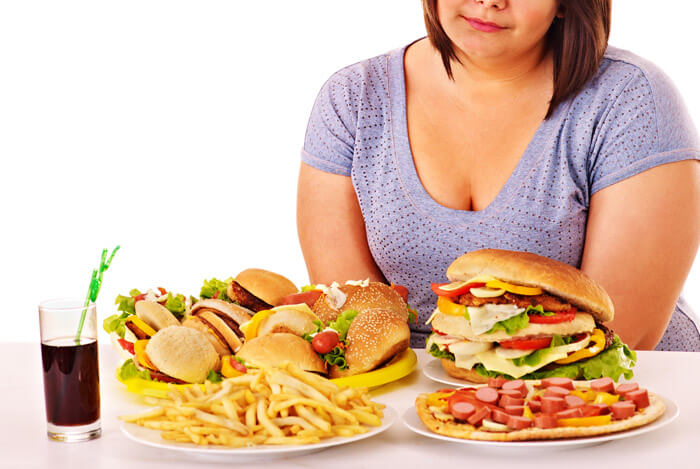
Eat less, exercise more. Now there is new evidence to support adding another “must” to the weight-loss mantra: eat at the right time of day.
A Northwestern University study has found that eating at irregular times — the equivalent of the middle of the night for humans, when the body wants to sleep — influences weight gain. The regulation of energy by the body’s circadian rhythms may play a significant role. The study is the first causal evidence linking meal timing and increased weight gain.
Simply modifying the time of feeding alone can greatly affect body weight, the researchers found. Mice that were fed a high-fat diet during normal sleeping hours gained significantly more weight (a 48 percent weight increase over their baseline) than mice eating the same type and amount of food during naturally wakeful hours (a 20 percent increase over their baseline). There was no statistical difference between the two groups regarding caloric intake or the amount of activity.
” You have to be careful with fast food and cakes but I would say if you can’t go without this food you’d better eat it before 6 pm and try to burn it during the day!”, Irina Shayk, model & global beauty ambassador for Avon.”I eat right. I try not to eat after 6pm. But I won’t deny myself a cheeseburger or donought once in a while.” Khatuna Lorig, exceptionally talented and accomplished Archer.
Our circadian clock, or biological timing system, governs our daily cycles of feeding, activity and sleep, with respect to external dark and light cycles. Recent studies have found the body’s internal clock also regulates energy use, suggesting the timing of meals may matter in the balance between caloric intake and expenditure.
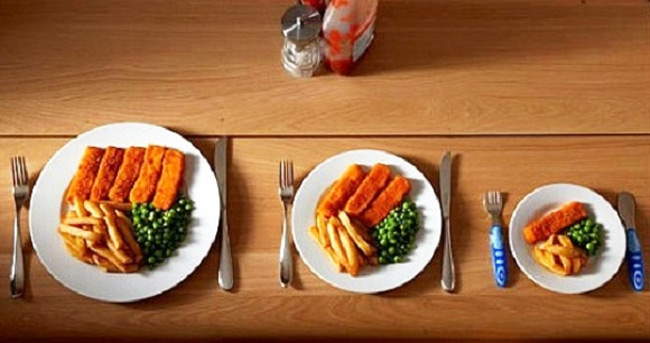
When it comes to eating late at night and the potential for weight gain, there are several considerations:
- Portion sizes – waiting to eat could lead to consuming larger portion sizes
- Quality of food – after a long day of work or school, a few slices of pizza or a fast burger may seem easier than steamed vegetables and broiled fish
- “Mindless snacking” – evenings spent studying, out on the town, or watching TV may lead to excess calories from fast, sugary, on-the-go options.
- Health concerns – consistent periods of going without food followed by a large meal can negatively impact the interaction between blood sugar and insulin and make you more vulnerable to Type 2 diabetes.
So, to settle the debate, late-night calories won’t change your metabolism or magically count more than calories eaten during the day. However, limiting late-night meals and snacks may be an effective weight management strategy for some because it helps them to control their overall calorie intake. Some people find that if they set a time that they can’t eat past, it helps minimize or eliminate the possibility of munching on a lot of high calorie foods. Another useful tip may to be to eat 4 or 5 smaller meals and snacks spread evenly throughout the day so you don’t become overly hungry at any point. Following these tips can keep your energy levels consistent for work and play and can provide some long-term benefits to help you reduce your chances for diabetes or other health issues.

When is the best time to eat?
Some experts say the best time to eat food is when we feel hungry as this is the natural way our body is telling us we require nutrients or energy. The problem is some people always feel hungry and nibbling on high-energy foods.
The body’s internal clock regulates energy use, suggesting the timing of meals may matter in the balance between caloric intake and expenditure.
However, the best time to consume energy is when the body is at its most active, a time when the metabolism is elevated or when there is a need for extra nutrition. Perhaps the first instance should be in the morning, starting with a good breakfast. Remember while asleep the body has had no nutritional supply for up to ten hours so cells are ready to effectively use up the energy from food. Also, the body needs it’s supply of essential nutrients in the morning, especially protein, because excess or circulating proteins have been used up to help recover muscles, hair, skin, nails or to create millions of antibodies to defend against bacteria which may have entered the body during sleep. This means extra energy will be used to help replace the protein lost. Reduce your calorie intake as the day passes by. Better still divide your daily calorie intake into 5 meals a day- breakfast, snack, lunch, snack, dinner (after every 3 hrs). Try avoid eating big meal after 9 pm.
Another good time to eat is after exercise. Have a big meal about 30-45 minutes after a weight training session. During this time enzymes responsible for energy production are most active and energy-storing hormones within the blood are suppressed. This means there will be less chance energy will be stored as fat. Carbohydrates will be immediately taken up to replenish the low glycogen stores caused through exercising, the protein will be needed to aid recovery and growth of new calorie-burning muscle tissue and most of the fat from the meal will be needed to fuel many of these reactions. After a good workout most meals are likely to be utilized completely for recovery.
Disclaimer
The Content is not intended to be a substitute for professional medical advice, diagnosis, or treatment. Always seek the advice of your physician or other qualified health provider with any questions you may have regarding a medical condition.