Like all regions of the spine, the upper back consists of a series of interlocking blocks (vertebrae), each linked on either side by a facet joint. Each vertebra also has a disc connecting the body of one vertebra to the next. With so many different elements, there are many places where things can go wrong. Just as one or more discs may cause pain, a single facet joint may be stiff, on one or both sides, or several may be involved. So pain may be confined to a small area, or it may restrict a number of different movements.

The upper back muscles, specifically the rhomboids and trapezius muscles are responsible for pulling the shoulder blades together and elevating the shoulders. Their development is critical to counterbalance the chest and anterior shoulder (front) muscles. This helps prevent “rounded shoulders” which is caused by overdevelopment of the chest and front shoulders, and can help improve posture and reduce the risk of injury.
These exercises aim to introduce early mobility into the upper back, while encouraging muscle control of the movements and ensuring adequate flexibility in the soft tissues. Do not do any of these exercises to the point of pain, and do not force yourself to do anything that is not comfortable. Work gradually and steadily through the exercises there is not benefit to be gained from pushing your body to do things for which it is not ready.
Upper Back Stretches & Turns:
Throughout this sequence, movement should come from the middle and upper part of your back. At the comfortable limit of each movement, hold gently.
Sit on a chair with your arms crossed on your chest and your hands on your shoulders
- Keeping your chin tucked in, bend gently forward, then back
- Tilt to the right side
- Then to the left
- Turn your upper body to the right
- Then to the left
- Repeat the sequence.
This exercise increases mobility in all directions in this section of the spine.
The Cat:
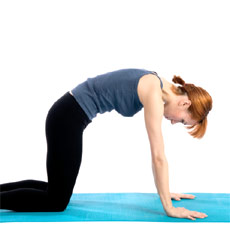 Throughout this exercise, keep your hips facing forward; the movement should come from your upper back. Hold gently at the comfortable limit of each movement. Start on your hands and knees with your back straight
- Breathe in and let your back drop, pulling your stomach in and pushing through your shoulders
- Breathe out and arch your back
- Straighten your back and turn to the left
- Then the right
- Repeat.
Forward Stretch:
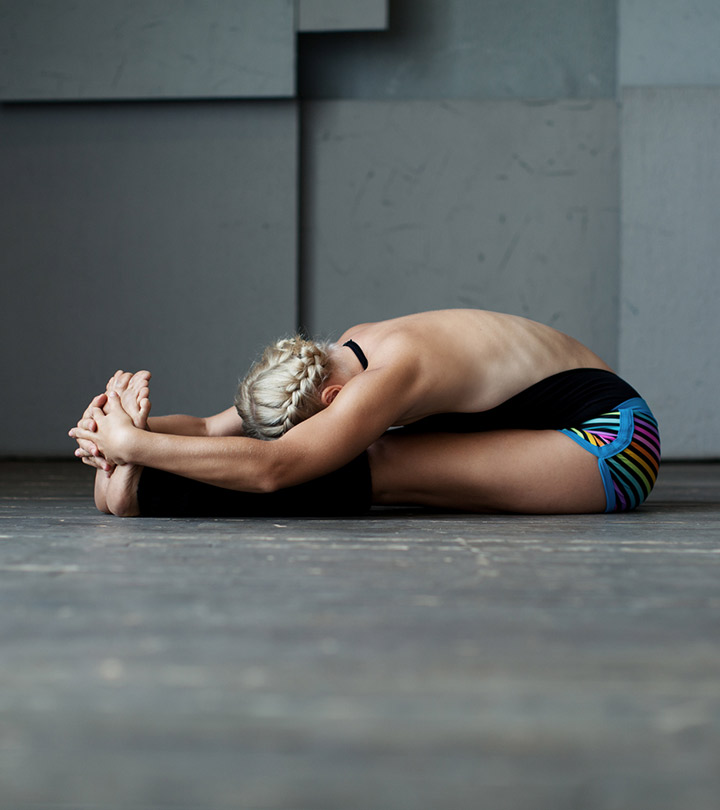
- Kneel on the floor, sitting back on your heels.
- Bend forward from your hips to put your hands on the floor with your arms straight, then alternately “round” and “flatten” your back. Repeat as often as is comfortable.
Backward Bend:
- For this exercise, use a rolled-up towel to fit in the space between your shoulder blades.
- Fold your hands on your stomach and relax down on to the floor. You will feel the pressure on your back, but you should not feel pain. Lie there for 2 to 3 minutes.
This exercise enhances the backward bend in the middle of the body.
Arm Circles:
- Stand with your elbows bent and hands on your shoulders.
- Circle both arms forward.
- Then reverse the movement and circle both arms back.
Repeat up to 20 times, working the muscles around the shoulder blades and upper back.
Arm Extensions:
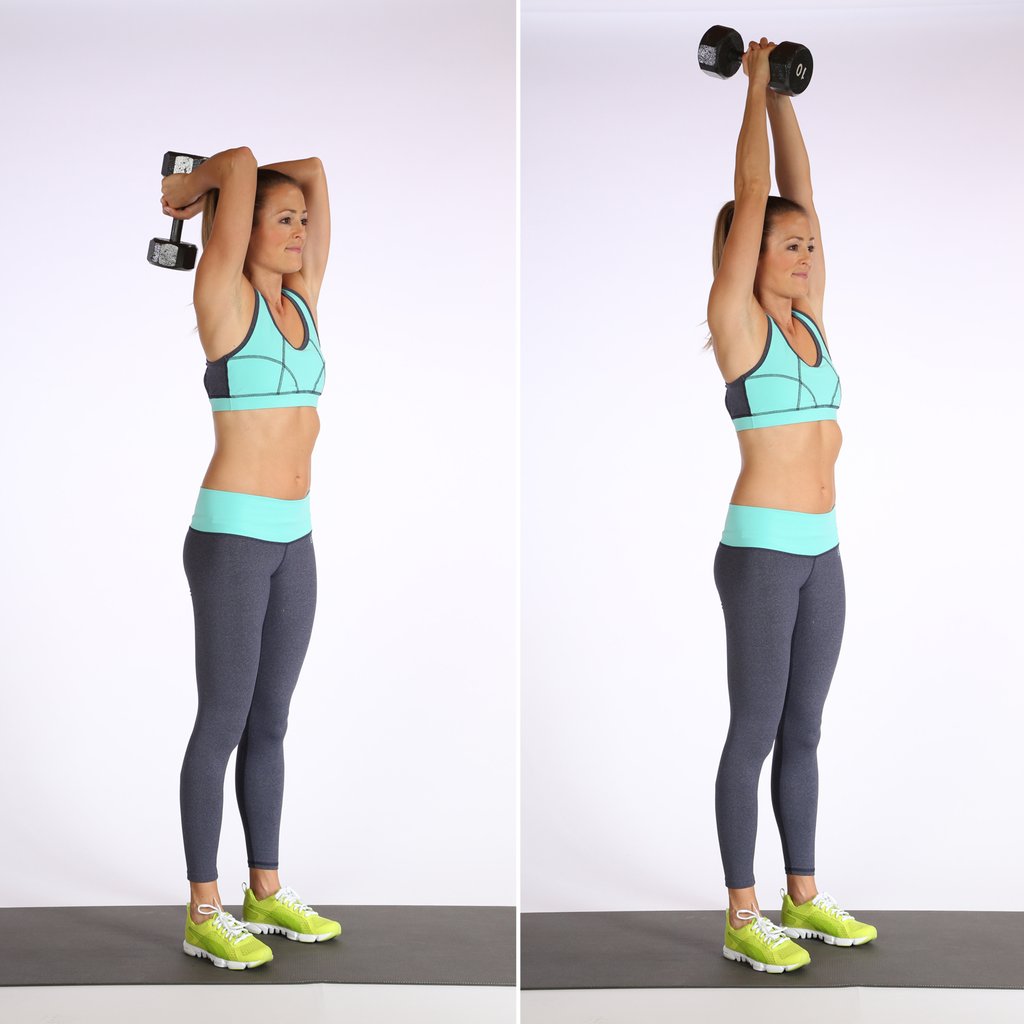
- Stand with your arms bent, in line with your shoulders, and your palms facing forward.
- Take your elbows back as far as is comfortable so that you feel a squeeze between your shoulder blades. Gently hold and repeat.
Neck Stability:
Place an ironing board at a 60-degree angle to the wall. Sit on the floor so that your shoulder blades are flat against the board and the back of your skull is lightly touching it. Try to maintain the position without letting your lower back flatten against the board. Hold the position for a count of between 10 and 60 seconds. Feel the muscles in your neck and upper back working to maintain this posture.
Supported Head Raises:
- Lean your forearms on a table with your head hanging down and your neck relaxed.
- Gently draw your head back and up, keeping your chin tucked in. The effort should come from between your upper back and shoulders.
Thoracic Stretch :
- Sit on the floor with your legs out straight in front of you. Hold your mid-thighs with your hands. Curl you head and neck toward your belly button. Hold for a count of 15. Repeat 3 times.
- To stretch your right upper back, point your right elbow and shoulders forward while twisting your trunk to the left. Hold for a count of 15. Repeat 3 times.
- To stretch your left upper back, point your left elbow and shoulder forward while twisting your trunk to the right. Hold for a count of 10. Repeat 3 times.
To help release your back after these exercises, let your knees roll from side to side so that the twist comes from the waist. Lie on your side. Stretch out one arm and place the other arm on your waist. Lift both legs together and hold for three seconds. Repeat on the other side.
Disclaimer
The Content is not intended to be a substitute for professional medical advice, diagnosis, or treatment. Always seek the advice of your physician or other qualified health provider with any questions you may have regarding a medical condition.