Within the brain, chemicals help transmit messages from one nerve cell to another. There are two such substances, known as endorphins, that seem to affect our moods; serotonin and norepinephrine. The body makes these particular endorphins from the food we eat and therefore we can, to a certain extent, raise the level of these substances in the brain by eating specific foods. Scientifically, food has been shown to have a significant effect on raising the mood only if the level of serotonin or norepinephrine is low before you eat. It is not a question of the more you eat the happier you become ad infinitum, but more a question of helping to reverse a negative feeling that has been induced by a low serotonin or norepinephrine level.

THE SUGAR ‘HIGH’
The main source of these endorphins is sugary and carbohydrate-rich foods. This is why some women seem to feel happier after they have eaten sweets, cakes, biscuits or chocolate. They would get the same effect from honey, jam, soft drinks, sugary breakfast cereals, white bread, white rice and pasta.
The problem with eating these foods to pick you up is that sugary foods are very rapidly absorbed into the blood. The sudden influx of sugar causes a serotonin rush, but unfortunately a secondary effect is a rapid production of insulin. Insulin is a hormone that breaks down sugar so the body can absorb it. If there is a sudden rise in the sugar level in the blood the insulin quickly breaks it down, leading to drop in both sugar and endorphin levels. This leaves you feeling even lower than you were before.
Some women seem to be particularly sensitive to this effect and experience extreme reactions. The swings in endorphins make them agitated, moody and aggressive. These women should therefore avoid very sugary foods. Some even have to avoid all sugar-containing foods, but this is an extreme precaution.
For the majority of women, you either have a meal as soon as possible after you eat the sugary food or choose to get your sugar/endorphin ‘fix’ from a more slowly absorbed carbohydrate. Good examples include a whole meal biscuit or a piece of wholegrain bread, with or without a topping of fresh fruit or low-sugar fruit spread. Having a little fibre intertwined with the sugar in these foods helps to lift a low, but not too fast. You are therefore much more likely to stay happy for longer.
Serotonin and norepinephrine are not only made by sugary and starchy foods, they are also made from tryptophan and L-phenylalanine, amino acids present in certain protein foods. It has been suggested that people with low intakes of these amino acids are more likely to feel down, or even suicidal. However, this finding is not that easy to act upon. Even if you increase your consumption of the relevant protein foods, your brain can only use a certain amount of the amino acids. Make sure that you are having a healthy, varied, balanced diet, to avoid exposing your body to a lack of serotonin or norepinephine.
ACTION PLAN TO HELP YOU GET OUT OF A ‘LOW’ MOOD SWING

 Treat yourself well and choose your favorite foods
Low time is not always the best time to start a weight-reducing program. Have a deliberately indulgent day and then see how you feel tomorrow. However, some women would feel happier if they lost a little weight or cleansed their bodies of ‘junk’. If this applies to you, use detoxification. Whether you are aiming to lose weight, detoxify or simply turn over a healthy new leaf, your primary goal is to enjoy your food. Never punish yourself for indulgences.
 Try to make sure that your meals are nutritious
Look at food as an empowering tool and eat a well balanced diet, including plenty of fresh vegetables and fruits, wholegrain cereal foods, some lean meat, fish, chicken and dairy products. A delicious and healthy eating pattern will help you both physiologically and psychologically.

 Don’t worry if you feel you need a short burst of “happiness”
An occasional sweet, cake, chocolate or piece of lovely fresh bread won’t hurt; a helping of a delicious pudding such as sherry trifle, treacle tart, chocolate pudding or ice cream can really cheer you up. However, remember that very sugary food will give you a mood crash if you don’t follow them with some fibre. Better still; eat something that is both sweet and high in fibre. Fruit-fresh, dried or oat biscuits are good mood boosters.
 Keep your meals simple
Luckily, some of the most comforting foods are the simplest to prepare, such as soups, bangers and mash (but make them good-quality sausages and luxurious creamy or buttery mashed potatoes); omelettes, tomatoes and cheese on toast (try walnut, olive or onion bread). But don’t feel guilty if you choose a ready-prepared meal. It’s much better to have something easy and hassle- free than to slave over the stove and end up feeling tired and potentially more depressed.

 Cut down on protein during dinner.
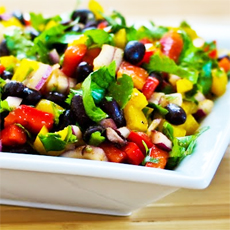
Unless you’re planning a late night, consider a comforting dinner with carbohydrates, such as pasta, potatoes, grains or rice, as the main focus and protein on the side. This type of meal may help you relax and get ready for bedtime. Make sure to get adequate amounts of protein in your other meals, however. Keep in mind that eating too much at night may cause your gastrointestinal system to work overtime, making it more difficult for you to get a good night’s rest.
 Rejuvenate with water.
For those of you who exercise regularly, 64 to 90 ounces of water are often recommended per day. Of course, this may vary depending on your health status, size, activity level, dietary patterns and environment. (Being in heated and air-conditioned environments can dehydrate you more than you think. You may also need more water if you’re at a high altitude or in a dry environment, such as a desert.) Researchers have found that healthy adults who are sedentary do not need as much water on a daily basis as people who exercise regularly, however. Keep in mind that certain beverages, such as caffeinated drinks, may cause some fluid loss by increasing urination.

 Make eating a pleasurable experience
Try to include a variety of fresh, colorful and tasty ingredients in your meals. Explore food markets and look at magazines and cookery books for inspiration. Eating out with a friend in a relaxed restaurant or in the fresh air in a beautiful spot can also help lift your mood.
 Enjoy a little alcohol
A glass or two of delicious wine, a long, cool gin and tonic, a good whisky or brandy may be just what you fancy, so go ahead. You must watch that you don’t consume too much alcohol, however, as the problems don’t go away. They’ll still be around in the morning, along with a hangover. Try not to get into the habit of turning to alcohol as the only thing to promote relaxation or happiness. Don’t cut yourself off from all of life’s other enjoyable experience: music, exercise, books, plays, films. There is no need to feel guilty about having a tipple, though, and in addition, alcohol can help to give you an appetite, which could help if you are feeling too low to be bothered to eat.

 Avoid a large amounts of coffee and tea
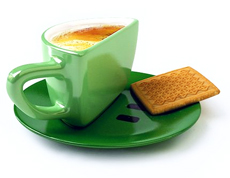
One really good cup of tea or coffee may be just what you need, but that doesn’t mean that two or three cups will be better. The caffeine in these drinks can cause some people to become agitated or even cause a headache. Caffeine also increases the excretion of vitamins and minerals from the body, which doesn’t help in times of stress and feeling low.
 Try regular exercise
Exercise can help you to feel happier as it causes your body to produce endorphins such as serotonin. It can also act as a step to help you out of the situation that is making you feel down. Bringing you into contact with other people can help on occasions. You may feel a further benefit of exercise if you’re worried about excess weight gain, which may happen if you are taking anti-depressants . Exercising gives you an opportunity to burn up some calories and can distract you from comfort over-eating. In a situation when you feel hopeless and helpless, exercise can be an empowering activity.
| Mood Supporters | Bad Foods |
|
|
Disclaimer
The Content is not intended to be a substitute for professional medical advice, diagnosis, or treatment. Always seek the advice of your physician or other qualified health provider with any questions you may have regarding a medical condition.