The human body is a movement system and is considered balanced if the joints create motion consistent with their kinesiological standard. One of the most important determinants of a balanced body (movement system) is posture and alignment. The muscles surrounding each joint create force couples of equal and opposite forces to act on the body parts the muscles attach to. These forces (vectors) have direction and magnitude so a change in one of these forces will alter how the joint functions about its involved axis of motion.
The faulty joint mechanics causes excessive or insufficient stress to the joint and its supporting ligaments and tendons. The result is indirect overuse as opposed to direct overuse. Faulty mechanics if not corrected can start to cause irritation to the joint or soft tissues leading on to worsening episodes of pain, aching, or stiffness.
The following corrective exercises and stretches are generalized to cover common upper and lower body muscle imbalances. Besides, Yoga and Pilates are two such examples of exercise techniques that can improve muscle length, flexibility, and agility, if done correctly.
 Doorway Chest Stretch
(This exercise is designed to reduce neck, shoulder, arm pain and numbness.)
- Stand in doorway, arms stretched out to the side.
- Lean torso into doorway allowing a stretch in your pectorals (chest muscle) and shoulders.
- Repeat with arms outstretched overhead to stretch the other portion of your pectoral muscles.
 5-5-5
5-5-5
(This is designed to reduce neck, shoulder, arm and hand pain and numbness.)
- Turn thumbs out, roll shoulders up back and together.
- Retract chin, inhale and hold breath for 5 seconds.
- Relax shoulders, keep thumbs turned outward, exhale, jut chin forward and repeat 4 more times.
- Do this exercise 5 times a day to reverse postural fatigue and muscular strain.
 Scapular Stabilization
(This is designed to reduce neck and shoulder pain.)
- Hold arms at the side with elbows squared
- Move scapula (wing bone) away from midline (spine) by tightening the Serratus Anterior muscle which attaches to your ribs at your side and under your scapula.
- Do not move your arms forward! Keep them in-line with your body.
- Reverse the process and tighten the wing bones together and repeat 5 times.
 Back Stretch
(This is designed to reduce upper back pain.)
- Start by sitting on the ball
- Slowly walk your feet forward, and as you do, begin to lay back until you can rest your head on the ball.
- Reach your arms back over your head, and keep your feet spread apart with knees bent.
- Roll backwards until you feel a stretch in the mid and lower back region and hold for 5-10 seconds.
- Roll until you are looking straight up and hold for 5-10 seconds.
- Continue alternating between these 2 positions for 8-10 repetitions.
 Leg Lifts
(These stretches are designed to relieve low back, buttocks and hip pain. This strengthens and trains the gluteus and low back muscles to contract in the correct order. This will stabilize the low back.)
- Lay face down and keep your knees locked.
- Slowly raise the leg contracting each muscle in order.
1. Hamstrings
2. Glutues Maximus (butt)
3. Opposite side low back - Repeat to the first sign of fatigue
Note: It is imperative that the low back not contract prior to the gluteus maximus
 Basic Bridge
(Strengthens buttocks and quadriceps)
- Regular
- Sit on ball, then walk forward (at the same time lie back) until just your head and shoulders are on the ball. Let your hips and knees bend and lower your buttocks
- Maintain a backward pelvic tilt as your buttocks until back ant thighs are horizontal. Do not arch back!
- Hold for 2-5 seconds, then relax lower buttocks and repeat 8-10 seconds.
- Advanced
- While holding bridge position, lift and strengthen one leg horizontal,
- Hole for 2-5 sec., then return foot to the floor.
- Relax lower buttocks, repeat and alternate sides.
 Hamstring stretch
(Straightens hamstring muscles)
- Lie along side a wall
- Walk the ball up the wall with the other foot until it rests behind the calf, keeping the knee straight.
- Slide the buttocks closer or further from the wall until a stretch is felt in the back of the thighs.
- Hold for 20-30 seconds, then repeat on the other side.
 Hip Stretch
(Stretches the buttocks and inner thigh)
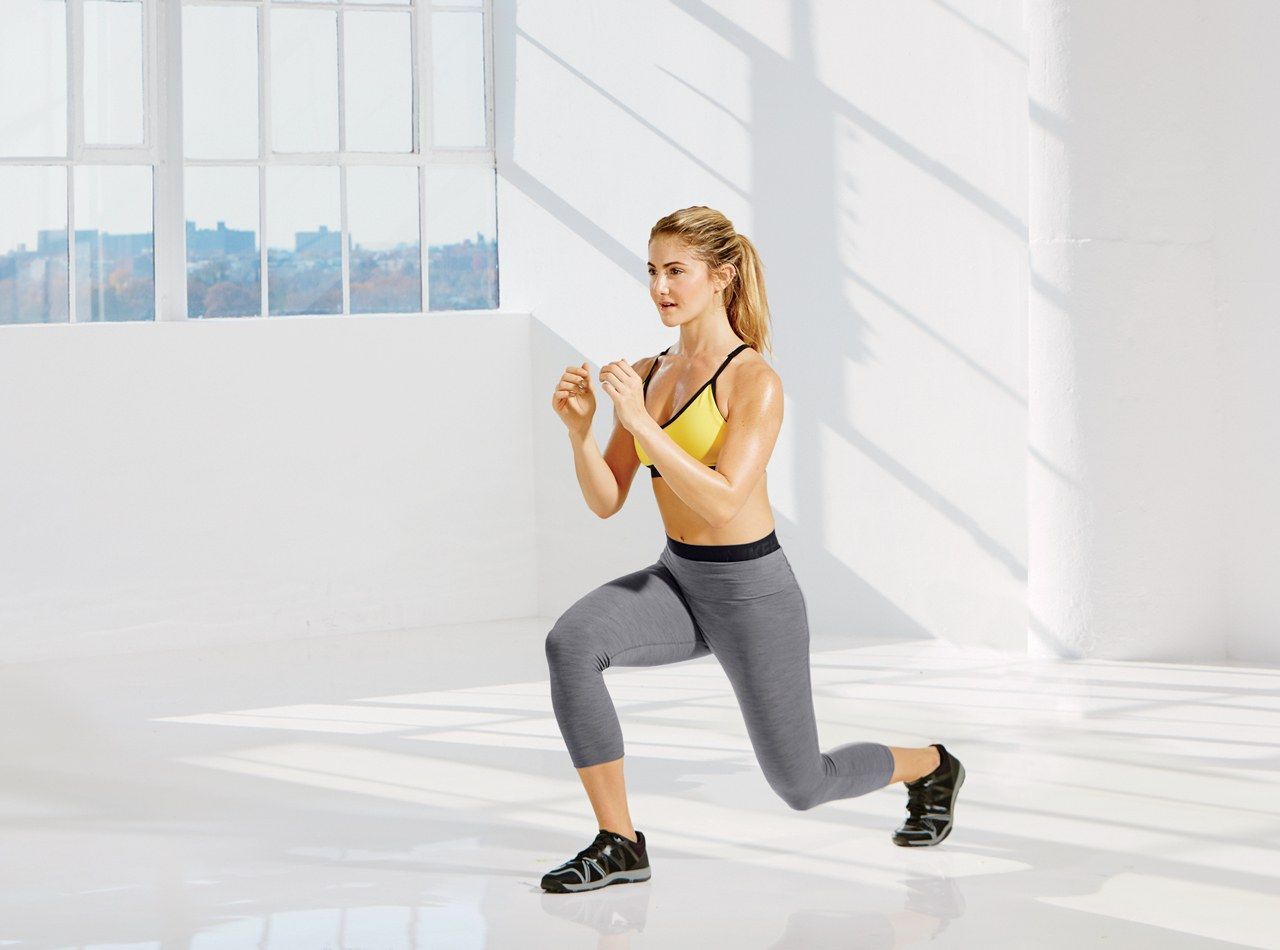
- From a standing position, take a large step forward with your right foot until your feet are about 22 inches apart.
- Lean into your right leg so it is bent at a 90 degree angle and your knee is directly above your ankle
- Put your hands on the floor for support or the leg not being worked.
- Now slowly push your hips down and forward until you feel a convertible stretch in your hips.
- Hold this position for at least 15-30 seconds and repeat stretching the other side.
 Standing Poses
(Deep abdominal muscle/thigh stretch)
- Keep back straight and slightly bent backward
- Put one foot behind the other foot on an elevated surface.
- Keep knee at a 90degree angle and shift weight forward feeling stretch in the groin of the side of the foot on the floor
- Hold for 20-30 seconds.
 Spinal Twist
(Stretches the hips, buttocks, and lower back)
- Sit on the floor with both of your legs extended in front of you.
- Bend your right leg over your left leg, keeping your right foot flat on the floor outside the left knee.
- Place your left elbow on the outside of your right knee, and extend your right arm behind you with your palm flat on the floor for support.
- Slowly twist your upper body to the right while looking over your right shoulder.
- Lightly apply pressure with your left elbow on the outside of your right knee as you twist. Be sure to keep your upper body straight.
- Once you feel a comfortable stretch in your hips, buttocks, and lower back, hold this position for at least 15-30 seconds.
- Switch sides and repeat.
A good way to know what muscles you need to use or stretch during your day is to take a look at what motions and postures you are in throughout the day and then do the opposite at various times during the day. If you have to sit most of your day, then take a moment to stand up once an hour or so. If your pelvis is posterior all day, tilt it forward on occasion. If your back is slouching forward (in flexion), stop and straighten it and then gently extend your spine backward (in extension). If your shoulders and head are forward, roll your shoulders back, lift and open your chest; then straighten your elbows and extend your arms back behind you rolling your palms out thumbs up, fingers extended, and circle your wrists. Pretty simple, pretty obvious, yet most of my clients don’t think to do these simple actions.
Disclaimer
The Content is not intended to be a substitute for professional medical advice, diagnosis, or treatment. Always seek the advice of your physician or other qualified health provider with any questions you may have regarding a medical condition.