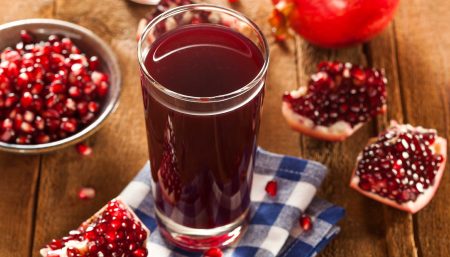
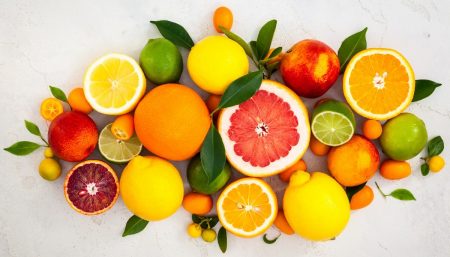
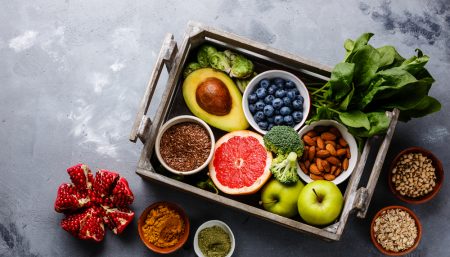
In addition to fats, proteins, carbohydrates, vitamins, and minerals, scientists have discovered that plants also contain substances known as phytonutrients, or phytochemicals. There are literally thousands of these chemicals present in cereals, fruits, and vegetables. They have specific roles to play, such as protecting the plant from strong ultraviolet rays, infections, and pollution. When people eat fruits, vegetables, grains, and cereals, they may acquire the benefits of phytonutrients.
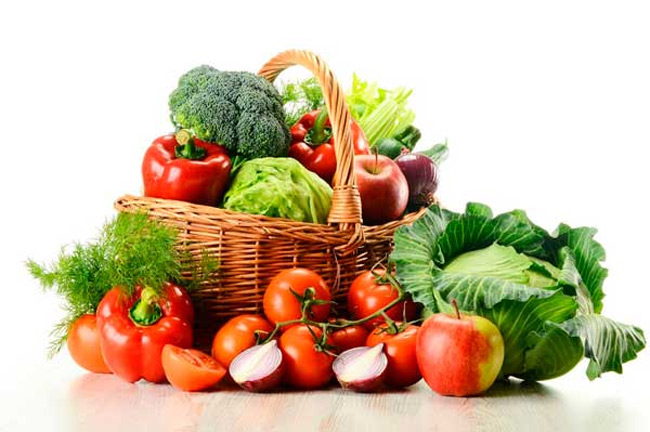
Phytonutrients may:
- serve as antioxidants
- enhance immune response
- enhance cell-to-cell communication
- alter estrogen metabolism
- convert to vitamin A (beta-carotene is metabolized to vitamin A)
- cause cancer cells to die (apoptosis)
- repair DNA damage caused by smoking and other toxic exposures
- detoxify carcinogens through the activation of the cytocrome P450 and Phase II enzyme systems
Certain phytonutrients are believed to help prevent heart disease. It is likely that some, such as a red pigment called lycopene that is present in tomatoes, protect blood vessels from cholesterol build-ups on the artery walls by means of their antioxidant functions. Other plant chemicals may help to keep blood pressure under control or blood free from clots. Fruit and vegetable consumption has been linked to decreased risk of stroke — both hemorrhagic and ischemic stroke. Each increment of three daily servings of fruits and vegetables equated to a 22% decrease in risk of stroke, including transient ischemic attack.
It is possible that some phytonutrients can provide protection against various types of cancer. The suspected mechanisms that are involved in this protection are numerous. Certain phytonutrients, such as bioflavonoids, may block cancer-causing substances from reaching the tissues and cells that they normally target. They might, on the other hand, help to prevent blood vessels from reaching a newly formed cancer and, in effect, starve it to death. Some phytonutrients may work by triggering enzymes that remove cancer-causing substances from the body, while others may help to prevent cells that have been exposed to such substances from becoming malignant and replicating out of control. Certain phytonutrients, such as chlorophyll, may be capable of protecting the body against cancer simply by strengthening the immune system so that it can successfully resist invading cancers; others, such as isoflavones, may block off sites where naturally occurring body hormones might otherwise attach and trigger cancerous growth. In the case of soya beans, the phytonutrients thought to play a role in protecting against breast cancer have been identified as isoflavones, substances that are very similar in structure to the human hormone oestrogen.
Scientists have yet to prove that phytonutrients protect against particular diseases, but the evidence suggests that increasing consumption of fruits, vegetables, and other plant foods is a positive step for health. That this could be life-saving adds an exciting new dimension. Scientists have been able to relate high intakes of specific foods in particular countries to low rates of certain diseases. In countries such as Japan, for example, where soya-based foods such as tofu are eaten regularly, there are lower rates of breast cancer than elsewhere. Research has indicated that if Japanese women move to other countries where their intake of soya products falls, the occurrence of breast cancer among them increases.

People in the highest quintile for consumption of spinach or collard greens, plants high in the carotenoid lutein, had a 46% decrease in risk of age-related macular degeneration compared to those in the lowest quintile who consumed these vegetables less than once per month (Seddon et al. Journal of the American Medical Association. 1994;272:1413).
HOW MUCH TO EAT
Many specialists recommend that, in order to ensure a good intake of phytonutrients, a wide vareity of fruits, vegetables, and cereal products is eaten on a regular basis . In practice, this means trying to consume at least five servings of fruits and vegetables each day. These can be fresh or frozen and, in some cases, such as carrots and pulses, canned. Fruit and vegetable juices count as servings.
EACH SERVING is assumed to weigh about 80g, making a total daily intake of about 400g of fruits and vegetables. Selecting different colours of fruits and vegetables is a simple method of ensuring a variety of phytonutrients.
CEREALS should be included in most meals if possible. Wholegrain varieties are the most likely to contain protective phytonutrients and include wholemeal bread, wholegrain pasta, brown rice, buckwheat, and bulghur wheat. Wholegrain breakfast cereals also contribute to the dietary intake.
BEANS AND OTHER PULSES are rich in phytonutrients and can be eaten as an alternative source of protein to meats, fish, and poultry. Using pulses as the main source of protein once a day will significantly boost phytonutrient intakes.
NUTS AND SEEDS supply a range of phytonutrients such as lignans, as well as many vitamins, minerals, proteins, and essential fats. Some sunflower, pumpkin, and sesame seeds, as well as a variety of nuts, should be eaten on a regular basis.
HERBS AND SPICES are good sources of various phytonutrients and are easy to add to the ingredients in any meal.
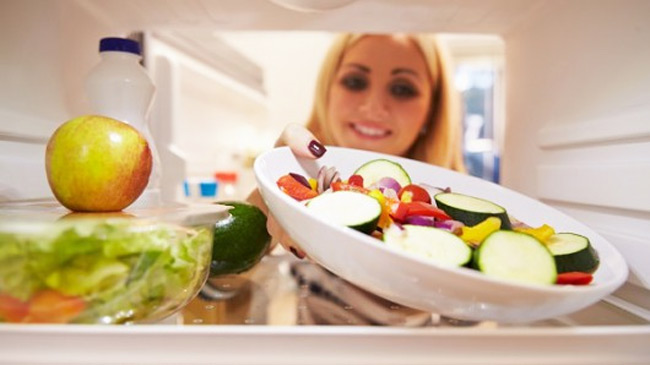
COMMON PHYTONUTRIENTS
Scientists have only recently begun to understand the contribution that phytonutrients make to human health. Increasing numbers of these substances are being identified and their properties investigated. The groups listed below are just a selection of the many phytonutrients that researchers have analyzed.
| CAROTENOIDS These seem to protect against heart disease and cancer by reducing damage to HDL cholesterol and encouraging healthy cell growth while discouraging cancerous cells. |
| FLAVONOIDS Flavonoids may help to fight heart disease by preventing a build-up of cholesterol on artery walls. They may block cancer-causing substances and suppress cancerous changes. |
| ISOFLAVONES These plant oestrogens seem to mimic human oestrogen. They have antioxidant effects and are thought to help to reduce the risk of heart disease and cancer. |
| ISOTHIOCYANATES These phytonutrients seem to help to neutralize free radicals and increase the activity of anticancer enzymes. They may reduce the risk of lung cancer. |
| LIGNANS These chemicals have weak oestrogenic effects and appear to limit cancerous changes. They also act as antioxidants and may help to protect against heart disease. |
| PHENOLIC COMPOUNDS These are thought to be able to counteract the effects of pollutants such as cigarette smoke. They are antioxidants and may help to control cancerous changes to cells. |
| SAPONINS Saponins seem to help to inhibit tumor formation and aid fat digestion. They may help to reduce levels of fats in the blood and possibly reduce the risk of heart disease. |
| TERPENES These seem to interfere with cancer-causing substances, and in particular they may also help to prevent tooth decay and reduce the risk of stomach cancer. |
BEST FOOD SOURCES
The following list provides examples of the immense variety of phytonutrients and their common dietary sources.

- BETA CRYPTOXANTHIN: Mangoes, papayas, peaches.
- CAROTENOIDS: Carrots, sweet potatoes, mangoes, apricots.
- COUMARINS: Oranges, grapefruits, flax seeds, green vegetables, green tea.
- ELLAGIC ACID: Strawberries, raspberries, blackberries.
- FLAVONOIDS: Apples, onions, grapes.
- INDOLES: Green leafy vegetables.
- ISOFLAVONES: Soya beans, tofu, soya milk, wholegrain, chickpeas, millet, sorghum.
- ISOTHIOCYANATES: Broccoli and other cruciferous vegetables.
- KAEMPFEROL: Radishes, kale, leeks, endive, broccoli, tea.
- LENTINAN: Mushrooms.
- LIGNANS: Wholegrains, seeds, berries.
- ORGANOSULPHURS: Garlic, onions.
- PHENOLIC COMPOUNDS: Citrus fruits, tomatoes, peppers, tea, wine.
- PHYTOENE: Mangoes, pumpkins.
- SAPONINS: Soya beans.
- TERPENES: Citrus fruits.
- ZEAXANTHIN: Red and yellow peppers.
Related Links
- Top 10 Steps to lower risk of Heart disease
- A Plateful of heart-smart eating
- Eating Across the Food Rainbow
- Diet and Detox
Disclaimer
The Content is not intended to be a substitute for professional medical advice, diagnosis, or treatment. Always seek the advice of your physician or other qualified health provider with any questions you may have regarding a medical condition.