Obese women can gain little or no weight during pregnancy — and even lose a few pounds — without harming their babies, new research suggests.
Using information from birth certificates, the study analyzed the pregnancies of more than 120,000 obese women from Missouri to see how weight gain affected their blood pressure, C-sections and the baby’s birth weight. Obesity increases a woman’s risk of miscarriage and other serious complications such as gestational diabetes.
The study found that 23 percent of the obese women gained less than 15 pounds, 31 percent gained 15 to 25 pounds and nearly half gained more than 25 pounds. Those who gained less had better outcomes.
The researchers considered three levels of obesity based on body mass index, or BMI, and came up with optimal ranges of weight gain. The Missouri study found that the least-heavy obese women who lost weight were at somewhat higher risk to have a low-birth-weight baby. However, they still benefited by having fewer other complications.
| Body Mass Index | Weight Gain / Loss | |
| 19.9 – 24.5 (normal) | 25 to 35 pounds | |
| > 27.0 | 15 to 25 pounds | |
| 30.0 – 34.9 | 10 to 25 pounds | |
| 35.0 – 39.9 | > 9 pounds is best | |
| > 40.0 | 9 pounds is best |
In order to avoid excess weight gain women need to:
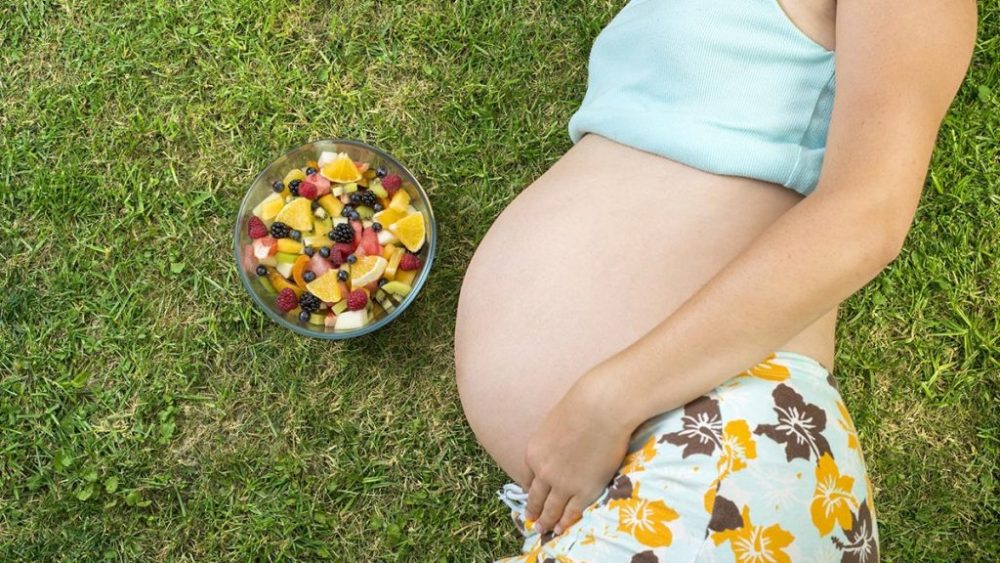
- Eat a balanced diet low in sugars and saturated fats
- Get moderate exercise, like walking or swimming.
- Avoid all junk foods to boost intake of essential nutrients over empty calories. This includes elimination of sweetened beverages in favor of water to increase nutrients from food.
- Besides, obese women need to consult nutritionist in order to lose weight after they give birth to avoid problems in future pregnancies.
| Tips to control excess carbohydrate intakenon-starchy vegetables should make up the highest volume of food you eat in a day – they offer nutrient-density, fiber and help sate appetitestarchy selections should be carefully selected and included in smaller amounts if you want to include something like a sweet potato or cornwhole grains should be 100% whole grain with an emphasis on 100% whole grain cereals such as steel cut oatmeal over more processed selections like instant oatmeallow “glycemic-load” fruits should be included in diet as they offer incredibly high amounts of antioxidants – specifically berries along with melons like canteloupe and honeydew and other fruits like cherries and plumshigher “glycemic-load” fruits are still an option – just have a small banana instead of the largest one!include nuts in diet, as they are low in carbohydrate and pack in essential fatty acidsadd legumes to your diet as they offer fiber, nutrients and protein |
| Eliminate all foods that contain:any trans-fats (ingredients that include – shortening, partially hydrogenated oils, margarine)high amounts of sweeteners – sugar, high fructose corn syrup, corn syrup, corn syrup solidsfoods with damaged fats – especially deep fried foodsbeverages high in sweeteners, especially high fructose corn syrup |
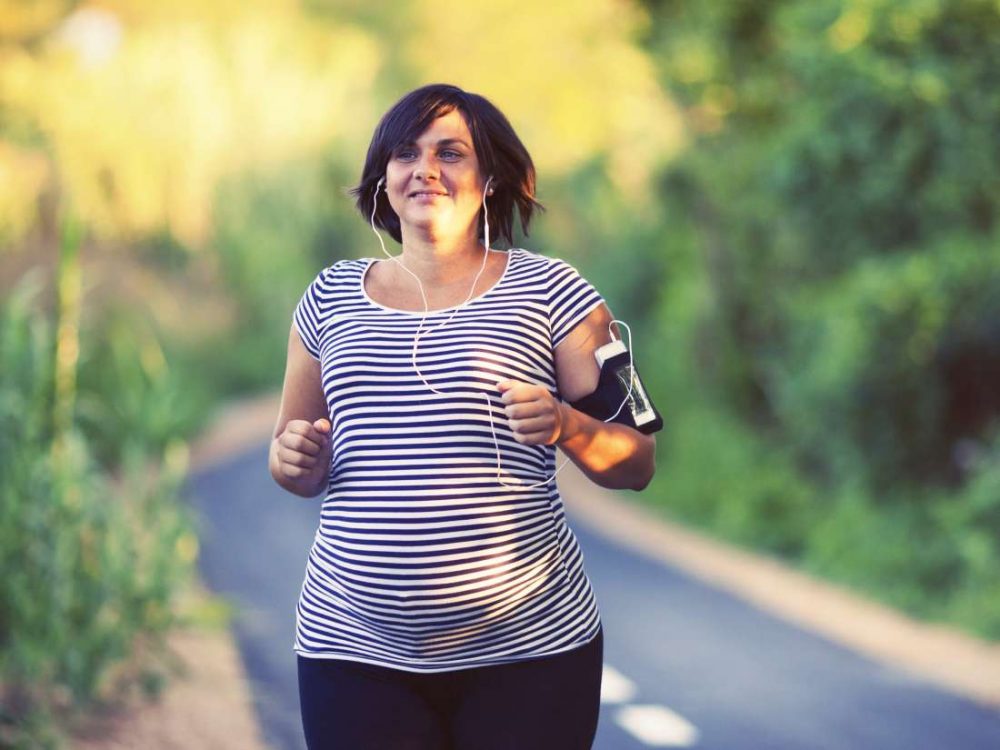
Remember, the growth and well being of the fetus is dependent upon the health and nutrition of the mother (not the father!) because she is both the seed as well as the soil where the baby is nurtured for 9 months. Moreover, healthy mothers are in a better position to look after the healthy needs of their children.
Disclaimer
The Content is not intended to be a substitute for professional medical advice, diagnosis, or treatment. Always seek the advice of your physician or other qualified health provider with any questions you may have regarding a medical condition.