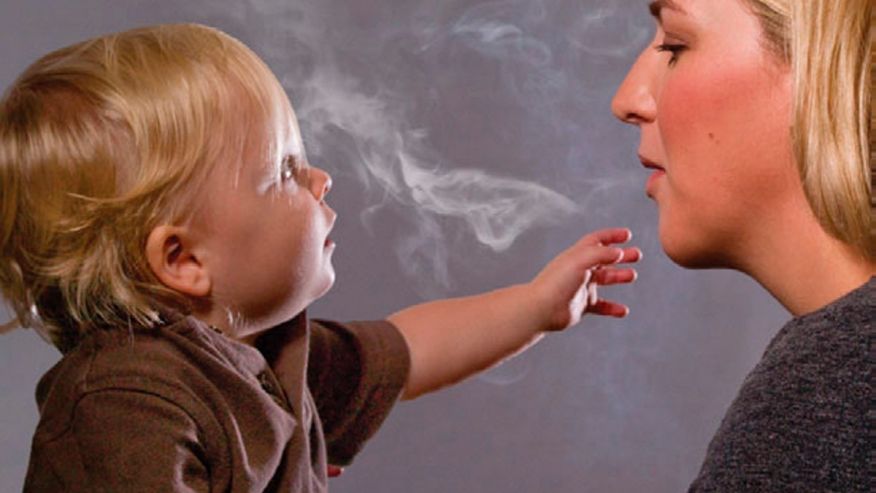
When you quit smoking, you stop hurting those around you. That’s why vaping with portable vaporizers are becoming a trend now since it does not emit secondhand smoke. The secondhand smoke from your cigarettes can make your family and friends have more colds and asthma attacks. It can also put them at risk for heart and lung diseases, and even lung cancer.
View all of the daily reasons to quit smoking:
- 1 year after quitting smoking: you reduce your risk for heart disease by 50 percent.
- 10 years after quitting smoking: your risk for dying from lung cancer is about half that of a continuing smoker’s and your risk of cancer of the mouth, throat, esophagus, bladder, kidney, and pancreas also decrease.
- 15 years after quitting smoking: your risk of heart disease is now the same as someone who has never smoked.
- 2 weeks to 3 months after quitting smoking: you have better circulation and your lung function increases up to 30 percent.
- 20 minutes after quitting smoking: your blood pressure drops to a level close to that before your last cigarette. The temperature of your hands and feet increases, returning to normal.
- 24 hours after quitting smoking: your chances of having a heart attack decrease.
- 5-15 years after quitting smoking: your risk of having a stroke is the same as someone who has never smoked.
- 8 hours after quitting smoking: the carbon monoxide level in your blood drops to normal.
- When you quit smoking, you help prevent your children from smoking.
- If all pregnant women quit smoking, about 4,000 new babies would not die every year.
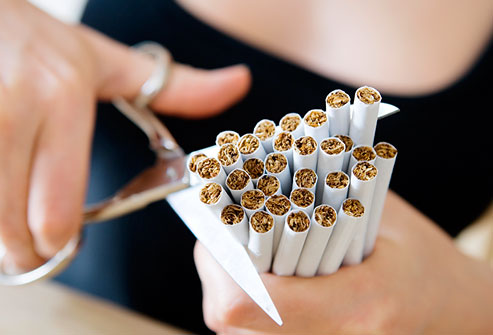
- A one pack-a-day smoker, who pays at least $3 per pack, can expect to save more than $1,000 per year. The cost of cigarettes only continues to rise, making the financial rewards of quitting even better.
A Quick Fix: When you have an urge for a cigarette, take three deep breaths. Holds the last breath for a few seconds and exhale slowly. This will relax you and help keep you from reaching for that cigarette.
- In the long term, quitting smoking reduces your risk of heart disease, stroke, cancer, and lung diseases like emphysema or bronchitis. This fact alone means you should quit smoking by any means: patches, gum, or even with an Aspire tank for vaping.
- In the short term, quitting smoking reduces respiratory problems, dental problems, nervousness and depression, and a tendency toward health-damaging behavior.
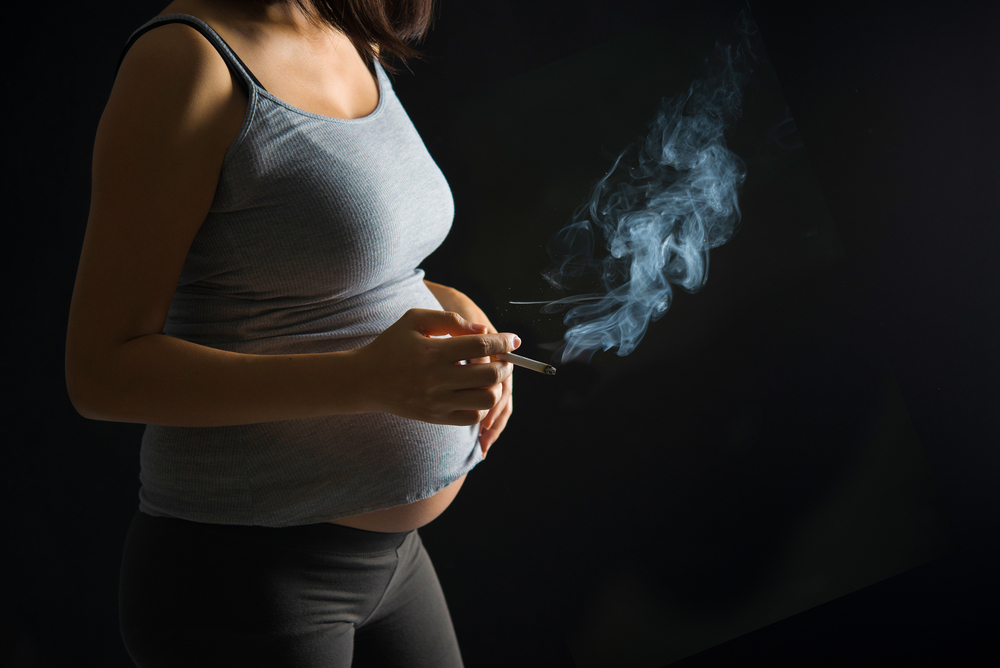
- Mothers who quit smoking during pregnancy, then start smoking again once their babies are born, increase their children’s chances of developing asthma and raises the risk for Sudden Infant Death Syndrome (SIDS).
- People who quit, no matter what their age, live longer than people who continue to smoke.
- Quitting smoking reduces your risk for heart disease.
- Quitting smoking now is one of the most powerful steps you can take to improve your overall health. Tobacco use is the leading preventable cause of death in the United States.
- Quitting smoking cleanses your body of harmful substances. More than 4,000 individual compounds have been identified in tobacco and tobacco smoke. Among these are about 60 compounds that cause cancer.
- Quitting smoking could lower the amount of cholesterol in your blood.
- Quitting smoking during pregnancy lowers the risk of birth defects to your unborn child.
- Quitting smoking during pregnancy lowers the risk of having a stillborn baby, a baby born too early or prematurely, or an infant with low birth weight.
- Quitting smoking during pregnancy reduces health risks for your unborn child. Smoking during and after pregnancy has been linked to asthma among infants and young children.
- Quitting smoking gets rid of your dependence on a very powerful substance. Did you know that nicotine is as addictive as heroin or cocaine?
- Quitting smoking helps protect the health of your baby during pregnancy.
- Quitting smoking helps protect your baby when you’re breastfeeding. Women who smoke and breastfeed their babies can expose their infants to harmful chemicals from tobacco.
- Women smokers who use birth control pills have a higher risk of heart attack and stroke than nonsmokers who use birth control pills.
- Women who smoke generally experience menopause (stopping of menstrual periods) earlier.
- Quitting smoking may increase your level of self-confidence when doing physical activities.
- Quitting smoking protects your heart. Women who smoke are 2 to 6 times more likely to suffer a heart attack, and the risk increases with the number of cigarettes you smoke each day.
- Smoking and breastfeeding do not mix. Heavy smoking can reduce a mother’s milk supply and can causenausea, vomiting, abdominal cramps, and diarrhea in her baby.
- Quitting smoking reduces wrinkles and yellow spots on your fingers, and gives you a better sense of taste and smell.
- Quitting smoking reduces your risk for developing cancer of the cervix.
 Quitting smoking reduces your risk for infertility (not being able to get pregnant), pregnancy problems, earlier onset of menopause, and osteoporosis (thinning and weakening of bones).
- Quitting smoking substantially decreases the risk of lung, laryngeal, esophageal, oral, pancreatic, bladder, and cervical cancers.
- Smokers who quit before age 50 have half the risk of dying in the next 15 years compared to those who continue to smoke.
- Tobacco use by pregnant women has been linked with increased risk for Sudden Infant Death Syndrome (SIDS) and mental retardation, secondhand smoke worsens the health of children with asthma.
- When you quit smoking, you stop hurting those around you. That’s why vaping with pocket vaporizers are becoming a trend now since it does not emit secondhand smoke. The secondhand smoke from your cigarettes can make your family and friends have more colds and asthma attacks. It can also put them at risk for heart and lung diseases, and even lung cancer.
- When you stop smoking you have fresher and better smelling clothes, hair, and breath.
- When you stop smoking, you improve your chances for a longer and healthier life.
- When you stop smoking, you save a lot of money that can be spent on more important things for yourself and your loved ones.
- When you stop smoking, things will taste and smell better.
- When you stop smoking, you’ll spend less time, energy, and money cleaning your curtains, walls, windows, and mirrors.
- When you stop smoking, your pets will be happier. Did you know that secondhand smoke increases the risk of lung cancer in dogs?
- When your home is smoke-free, it will smell much better.
- 1 to 9 months after quitting smoking: coughing, sinus congestion, fatigue, and shortness of breath decrease and your lungs start to function better, lowering your risk of lung infections.
- Immediately after quitting smoking: you never again have to deal with the hassle of leaving your workplace, someone’s home, your own home, a restaurant, or other places to smoke.
Smokers who wish to quit their nicotine addiction have the choice to stop cold turkey, use smoking cessation aids, or check into addiction treatment centers for professional help.
Disclaimer
The Content is not intended to be a substitute for professional medical advice, diagnosis, or treatment. Always seek the advice of your physician or other qualified health provider with any questions you may have regarding a medical condition.