We all loose interest in food from time to time – and this isn’t always for negative reasons. It’s well known that falling in love can make all else pale into insignificance, including food. But you’ve been eating poorly, whatever the reason, it’s important to restore your appetite to good health.
A hearty relish for food is one of life’s great pleasures. It is also a reassuring indicator of robust health. So, when you or someone who normally eats well suddenly loses interest in their food, it is correct to be concerned.
Appetite Regulation
The stimulus to eat is regulated by the appestat, a sensory area centered in the hypothalamus. This part of the brain monitors factors that influence appetite, such as glucose and other nutrient levels in the blood. It receives signals from sensors in the stomach and sends out chemicals that activate or suppress your appetite, depending on whatever it receives ’empty’ or ‘full’ messages.
Sometimes appetites malfunction, due to an inadequate diet, ill health, or emotional or hormonal factors. The wrong messages may be sent to the body, resulting in a loss of appetite, or conversely, an increase. A brief period of poor appetite is rarely anything to worry about, but if symptoms persist for over a week, a doctor should be consulted.
What effects your appetite?
Illness can diminish your interest in food – something as common as a cold or an upset stomach can put you off for a day or two. More serious disorders such as irritable bowel syndrome (IBS), ulcers, nausea or indigestion can cause discomfort and pain, and this will often affect the desire to eat. In such cases, light, regular, nutritious meals are preferable to rich, fatty, refined and processed foods, which tax the digestion. Teas made with herbs and spices such as peppermint, fennel, cinnamon, camomile and ginger can offer welcome relief. And live natural yoghurt replenishes the intestinal flora of the digestive system.
The emotional factor stress, anxiety and depression may result in a loss of appetite and erratic eating habits. Just when they need good, nutritious meals to help them deal with stress, people experiencing emotional problems may lose their enthusiasm for food. Eating little and often can help to revive interest.
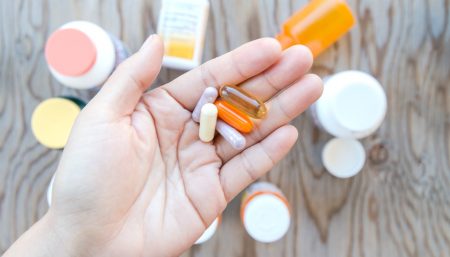
Cigarettes, coffee and alcohol all suppress appetite. They reduce the sense of taste and smell, give a misleading ‘full’ message, and many undermine a healthy interest in food. Prescribed drugs can cause appetite loss, especially if they have side effects such as nausea. Stimulates and drugs may also increase your risk of nutritional deficiencies, leading to a repetitive cycle of reduced energy levels and even poorer appetite.
Tips to revive your appetite
 If your appetite has been low for more than two weeks, boost your intake of foods containing zinc, magnesium and potassium. You also need to eat foods rich in vitamins B and C every day. These vitamins cannot be stored in the body for long and levels need to be regularly replenished.
- Try to eat five to six small meals – they are less daunting than large ones – based on complexcarbohydrates, such as pasta, bread, potatoes, rice and noodles. If possible, ensure that you havebreakfast – even if it’s as simple as a smoothie and a piece of fruit such as a banana. This is a good start, supplying the energy you will need to cope with the day ahead.
Although high-fiber foods are a valuable part of your diet, if you haven’t been eating heartily for some time, you may find that they cause bloating and trapped wind. Try eating them in smaller amounts until your appetite has improved. You can still obtain easily digested fiber in foods such as mashed potatoes and other root vegetables, vegetable soups, ripe bananas and rice. - Revive a poor appetite with small amounts of visually appealing, tempting foods. Serve a spoonful of berry fruit with plain yoghurt, for example.
- Early Chinese physicians prescribed alfalfa leaves to treat many digestive disorders and poor appetite. This practice is also adopted by Ayurvedic practitioners. Alfalfa can be found as sprouted seeds (you can easily sprout your own) or as a herbal supplement.
- Avoid Fizzy and sugary drinks, tea and coffee. Instead of drinking large amounts of alcohol on its own, drink it with a meal and always keep to recommended limits. Try to avoid sugary andprocessed foods, as they lack nutritional value and suppress the appetite.
Dietary foods to beat a poor appetite
Potassium: eat foods with high levels of potassium, such as bananas, potatoes, dried fruit, avocados, nuts, seeds and pulses.
Magesium: Foods rich in this mineral, including wholegrain, nuts, pulses, dried figs and greenvegetables can help build a healthy appetite.
Vitamin A, C: Eat vegetables, fruit, wholegrain, nuts pulses, meat, poultry, fish, eggs and dairy foods every day to replenish your levels.
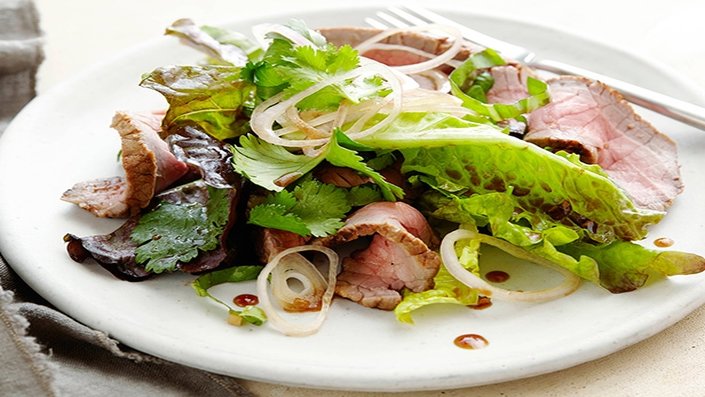
Pumpkin Seeds are a useful vegetarian source of zinc, deficiencies of which are known to reduce the appetite. Lean red meat, crab and other shellfish have high zinc levels, as do sardines, game, poultry, rice pulses and nuts.
Disclaimer
The Content is not intended to be a substitute for professional medical advice, diagnosis, or treatment. Always seek the advice of your physician or other qualified health provider with any questions you may have regarding a medical condition.