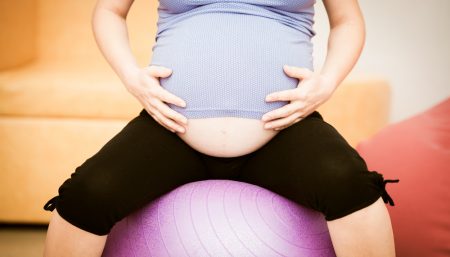
Amber Miller, a 27-year-old marathon runner was nearly 39 weeks pregnant when she completed the Chicago Marathon on Sunday, but instead of putting her feet up and having a good rest, she went straight to hospital to give birth: her contractions started within minutes of crossing the finishing line.
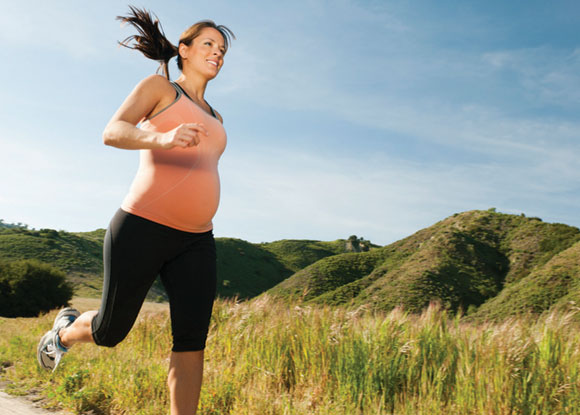
Just like Amber, there are number of women out there who would like to compete a marathon or an event even while pregnant, but are afraid to do so out of fear of some untoward harm.
As long as you get the green light from your OB, you should continue to exercise (with modifications) right up until your delivery date. Not only will it keep you in shape, but it can also make for an easier labor and recovery.
There are certain body changes that take place while pregnant. For example, ligaments and bones soften, to accommodate the baby, making you more susceptible to injury. Your temperature regulation mechanisms are strained, which means it is easier to overheat, which could damage the fetus, especially in the early stages of pregnancy. Therefore, you should avoid intensive exercise with high heart rates to avoid depriving your baby of oxygen.
Guidelines, to Follow:
- Warm-up and stretch before you begin to run.
- Allow the body to cool down and stretch after you run to prevent sore muscles and back pain, and to stay limber. Focus on hip openers like Wide Squat and variations of Pigeon.
- Don’t run to exhaustion- cut short the duration or combine walking and running to cover the distance.
- Slow down and avoid running at high levels of intensity (e.g. sprinting) which may affect the baby’s oxygen supply. Take it easy on hills, stick to even terrain to prevent falling, take breaks often, and decrease your distance. Use a heart rate monitor to ensure that you don’t elevate your heart rate too much. Maintaining the appropriate heart rate for your age is important, and the target heart rate is 50 to 85 percent of the maximum heart rate. Maximum heart rate is calculated by subtracting your age from 220. If you are able to talk normally while exercising, you are likely at an appropriate heart rate.
- Be careful not to overheat, especially during the early weeks;
- Stay hydrated– you may need to drink more water than you are used to.
- Maintain your blood sugar levels: you certainly need to eat more to cope with physical changes
- Don’t try to stick to a training schedule: run as you feel inclined and listen to your body and to your baby
- When running no longer feels comfortable, consider other exercise, such as swimming or aqua-jogging, to keep fit. An exercise bike will help you to keep fit, and may be useful later on if you are at home alone with the baby.
Alerts to STOP:
If you develop any of the following symptoms, you should stop running immediately and consult a doctor:
- bloody discharge or amniotic fluid leakage from the vagina
- sudden swelling of the ankles, hands or face
- persistent, severe headaches or visual disturbance
- elevation of pulse race or blood pressure that persists after
- excessive fatigue or any palpitations or chest pains
- persistent contractions (they may suggest the onset of pre-mature labor)
- unexplained abdominal pain
- insufficient weight gain.
The usual medical advice to women who want to continue running long distance while pregnant, is as long as you are fit and healthy and are already used to running long distance, then it should be ok. But as with all exercise during pregnancy, don’t try anything new or anything your body is not used to.
NOTE: Women are at higher risk of injury while pregnant because they have higher levels of relaxin, a hormone that relaxes joints and ligaments, so they should ease gently into a run and stretch properly afterwards.
Disclaimer
The Content is not intended to be a substitute for professional medical advice, diagnosis, or treatment. Always seek the advice of your physician or other qualified health provider with any questions you may have regarding a medical condition.