If you think you’re too young to be worrying about osteoporosis think again. While bones become more fragile with age structural weakening begins much earlier and is invisible. One in two women over fifty will have an osteoporosis related fracture in her life-time and some women might have to face it in their twenties and thirties.
When you’re in your mid 20s to mid 30s you build bone as fast as you lose it. But once you’re about 35 your start to lose more bone than you gain meaning that your skeletal framework slowly erodes.
Osteoporosis is the cause of almost all hip fractures in women over 50 (usually elderly and frail they have other medical conditions that worsen when they are bedridden.)
Even if your doctor isn’t talking about osteoporosis that doesn’t mean it’s not happening to you. Ignorance about bone disease whether on your doctor’s part or your- is an unrecognized risk factor.
Here are seven scary truths that could be threatening your skeletal health.
Calcium supplements aren’t a cure all :-
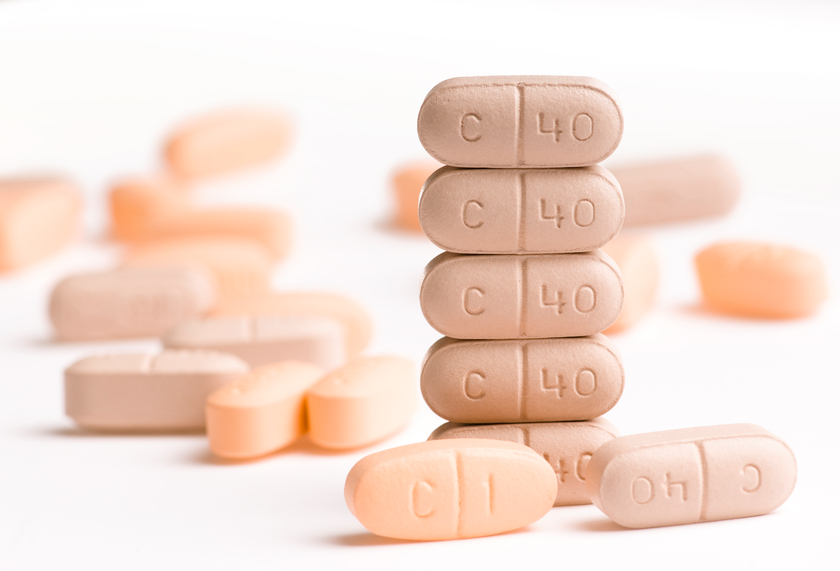
Calcium is critical to keeping your bones healthy but it’s not all you need. Indeed many studies are finding that certain foods protect bones more effectively than pills.
You can help maintain your bones by eating foods containing vitamin Dneeded for absorption of calcium (milk fortifies breakfast, cereals, egg yolks) and vitamin K which may also aid calcium absorption (dark green leafy vegetables like spinach broccoli and cabbage).
Preliminary findings by US researches indicate that postmenopausal women who ate broccoli at least three times a week over one year were 80 percent less likely to fracture a hip, than those who consumed broccoli less than once a week.
Don’t assume your doctor is checking for osteoporosis :-
Getting shorter is a tell tale signs of bone loss but your doctor won’t notice it unless he or she measures you periodically after menopause . In addition if you have risk factors for osteoporosis (see sticks and stones box) ask your doctor if you need a bone density test and whether you should change your diet or exercise habits. If your doctor doesn’t take your concerns seriously find another one.
Breaking a bone in your 30s isn’t just bad luck :-
Unless it’s from a high speed car crash or a fall out of a window a young woman shouldn’t break a bone. If you break a bone after tripping and falling or get a fracture for not apparent reason your doctor should refer you for a bone density test. If he or she doesn’t find one who will.
Researches recently found that women and men with unexplained foot fractures had low bone density. Mysterious fractures appear to be a bad omen for your health too. “A fracture increase your risk of subsequent fractures elsewhere in the body” says Dr Beatrice Edwards director of an osteoporosis programme in Chicago.
Gum disease may be more than a dental problem :-
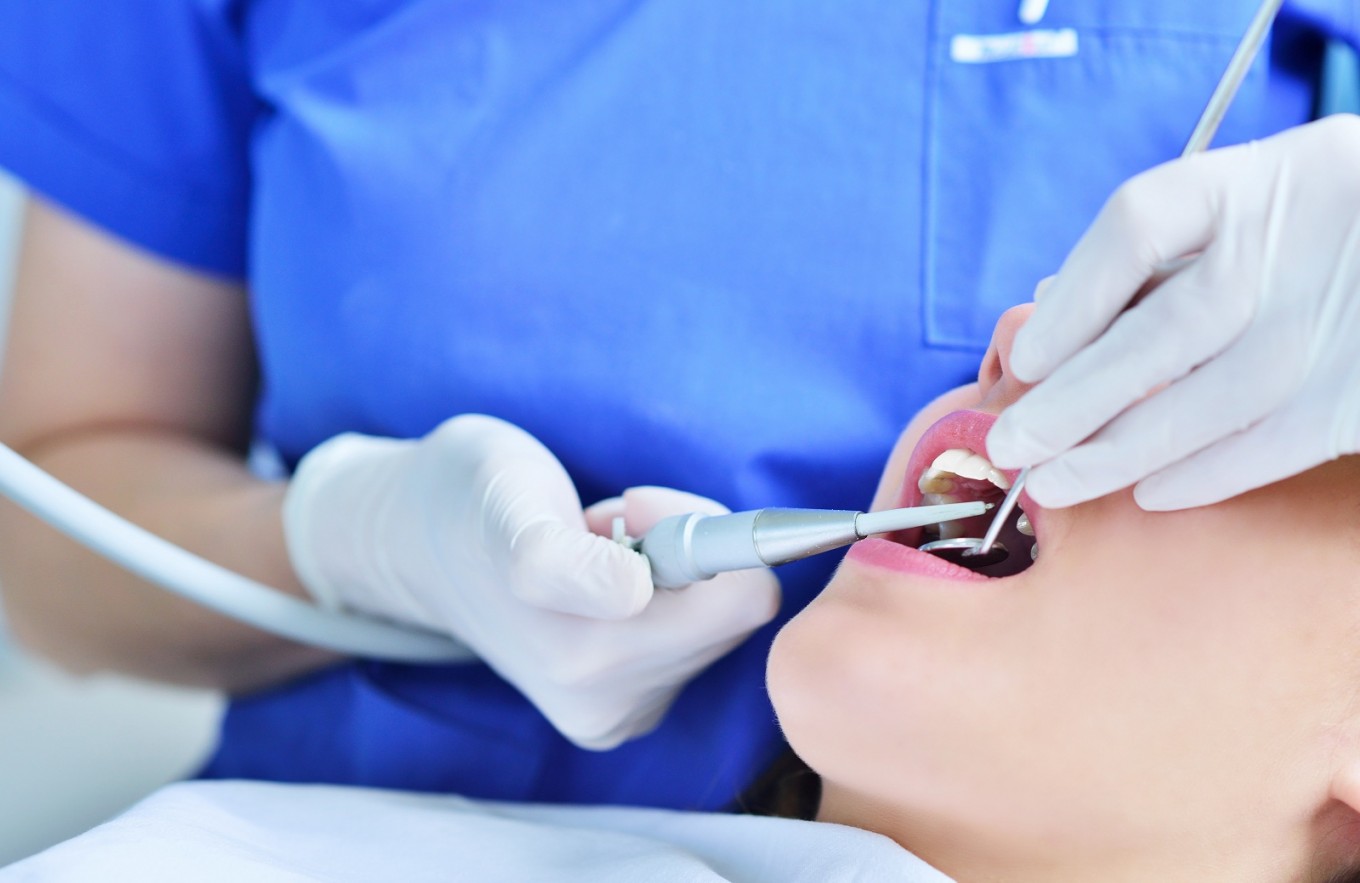
Preliminary studies with older women suggest that those with periodontal disease were also likely to have osteoporosis . If you are past menopause and your density diagnoses you with periodontal disease ask your doctor if you should be tested for osteoporosis.
| Not for women only |
| Many men think osteoporosis is a women’s disease. Not so, it is not as uncommon in men as it was once believed. Though loss of bone mass is lower in men then in women they are still vulnerable to back pain and fractures mostly in the spine hip and wrist. |
A bone density test may not reveal your risk :-
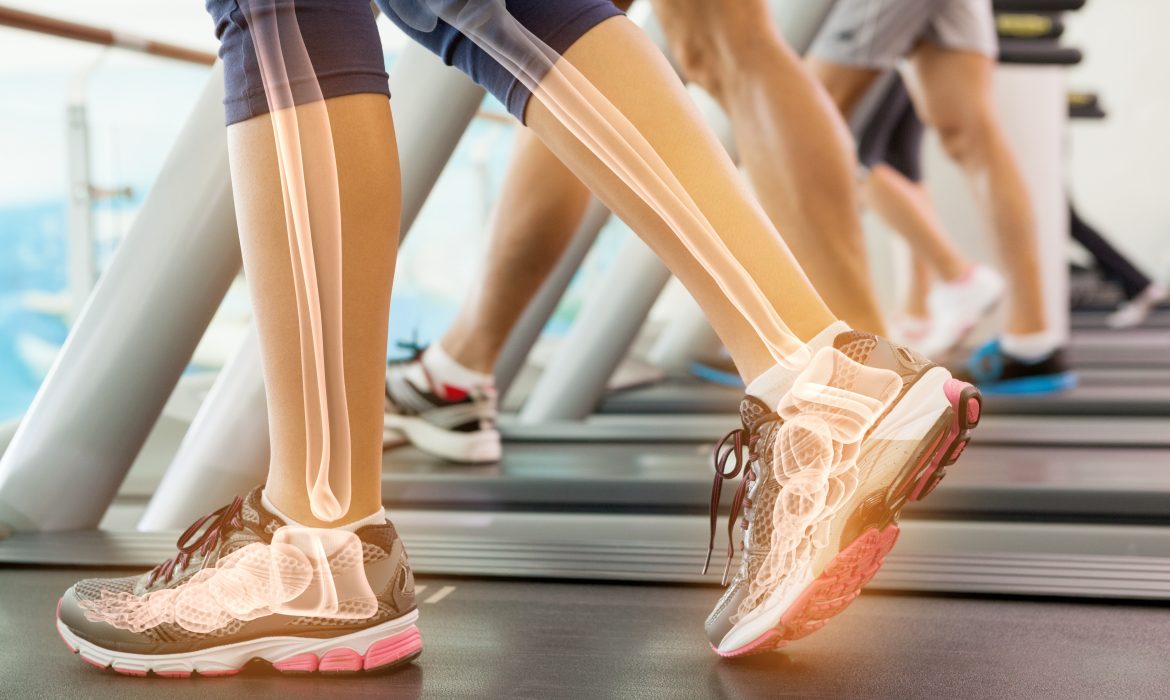
You’ve probably run across one of those noninvasive ultrasound machines which look for signs of thinning bones in wrists fingers and heels. But a normal result based on a peripheral site may not be a precise assessment of your skeletal health.
Bone loss is not uniform throughout the body. People may lose more in one site than in another. The crucial points to measure are the hip and spine where the most serious fractures occur.
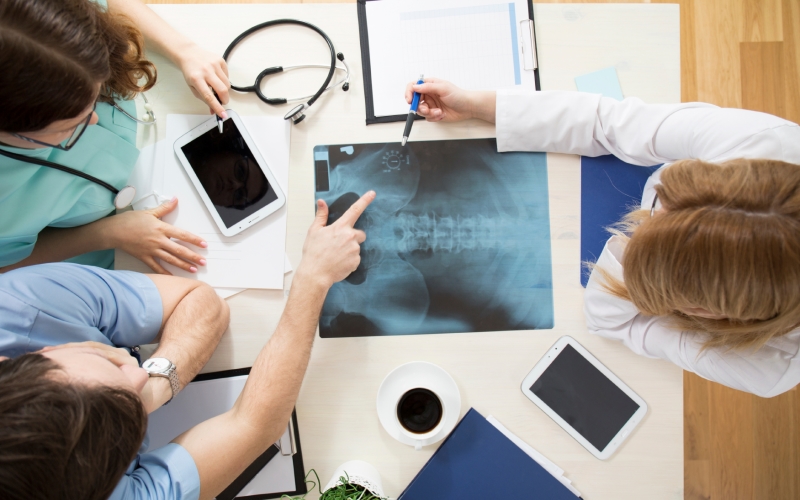
One highly recommended test is the specialized x-ray known as DEXA (dual energy x-ray absorptiometry). This measures bone density in the hip spine or less accurately forearm. Insist on a hip or spine reading.
Your parents poor posture is your problem too :-
Osteoporosis runs in families. “Genetics can be very important in this disease and it looks like it can be transmitted through both maternal and paternal sides” says Dr Felicia Cosman clinical director of the (US) national osteoporosis foundations. What’s more recent research suggests that a hereditary link may be especially strong at specific sites such as the spine hip and wrist.
If your father mother or grandmother lost more than two inches in height or developed a stoop or either parent suffered any fracture as an adult take preventive steps. Ask your physician if you would benefit from hormone replacement therapy (the oestrogen in it could protect your bones) in additions to modifying your diet and exercise routines.
There’s no pill to cure osteoporosis……yet :-

“Medications called bisphosphonates replace some bone that was lost and reduce the risk of fractures but nothing can completely reverse what’s gone” says Cosman. Moreover the bone building benefits of these drugs plateau after the first few years and when you the medication your gradually to loss bone again.
Similarly with hormone replacement therapy while osterogen increase calcium absorption decrease calcium loss and inhibits the destructions of bone any bone protections quickly ebbs one you stop HRT.
Parathyroid hormone (PTH) is a natural hormone protein that regulates calcium and triggers new bone formation. In a study reported in the Massachusetts medical society‘s Health News women with osteoporosis who took daily injections of PTH showed a marked increase in bone mineral density.
In the words of Dr. Michael McClung, founding director of the Oregon Osteoporosis Center in Portland, Ore, a new medication which is experimental drug, romosozumab, frees the body’s ability to stimulate bone production by blocking biochemical signals that naturally inhibit bone formation. The treatment is one-and-a-half to three times more effective than current osteoporosis drugs in rebuilding bone density at the lumbar spine, according to clinical trial results McClung and his colleagues reported in the Jan.1 (2014) online edition of the New England Journal of Medicine. More research is needed, however, before romosozumab is approved to treat osteoporosis.
Disclaimer
The Content is not intended to be a substitute for professional medical advice, diagnosis, or treatment. Always seek the advice of your physician or other qualified health provider with any questions you may have regarding a medical condition.