Your intestines are home to hundreds of good and bad bacteria and in a healthy individual the amounts balance each other out. When you ingest certain foods high in sugar or gas producing ingredients, the bad bacteria multiply at a rapid pace, causing excess gas and bloating. Lack of water intake and exercise also contribute to bloating and gas issues.
Stomach is an issue faced by one and all sometime in their lives. There are a number of remedies available both online and in the market. Bloating, the sensation of increased abdominal pressure, can result in feelings of physical discomfort that range from unpleasant to debilitating. Whether you experience gas and bloating on an occasional or chronic basis, you will find reassurance in the fact that there are steps you can take to combat these distasteful digestive symptoms.
Drink plenty of water! Our bodies need water to function properly and drinking plenty of water stops bloating and prevents water retention! Water is also fantastic for the skin and achieving that glowing, luminous complexion! |
What foods cause it?
Foods that are high in sugars are the main and foremost cause of bloating and gas in the belly and intestines. Lactose, the sugar found in milk, is the predominant cause of bloating in adults. Lactose causes bloating as it is very hard for the body to digest it before it reaches the intestinal tract, bringing in a large amount of undigested sugars that the bacteria feed on. Within no time the belly and intestines will begin to bloat.
- Vegetables: peas, onions, broccoli, radishes, cabbage, asparagus, carrots and celery.
- Fruits: apples, most dried fruit, prunes, oranges and peaches .
- Fibre: Oatmeal and heavy grains.
- Sugars: Any large quantity of sugar, sodas, dairy.
Herbal Management
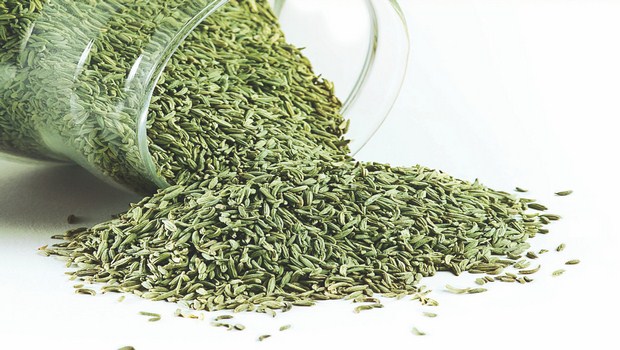
- Foeniculum Vulgare (Sweet Fennel)- Fennel is best known as a culinary herb, all parts of the plant are edible. Fennel not only improves digestion, but also can reduce bad breath and body odor that originates in the intestines. The fresh stems of fennel can be eaten much like celery, the seeds add a lovely anise flavor to fish and other dishes. Fennel also acts as an excellent digestive aid to relieve abdominal cramps, gas and bloating. Fennel tincture may be beneficial for colic, bloating, nausea, flatulence and constipation.
- Pulsatilla Vulgaris (Pasque Flower)– Pulsatilla is considered an alterative, or agent that helps to gradually and favorably alter the course of an ailment or condition, most often by altering the process of nutrition and excretion and restoring normal bodily function. It may achieve improvement by cleansing and stimulating the efficient removal of waste products from the system. Psyllium has also been used as a remedy for diarrhoea and a number of other bowel problems, including irritable bowel syndrome, ulcerative colitis and Crohn’s disease. Also valuable for haemorrhoids. Known as a detoxifyingg herb, the jelly-like mucilage produced when psyllium is soaked in water has the ability to absorb toxins within the large bowel. Psyllium is used to treat digestive ailments such as stomach and duodenal ulcers and for acid indigestion. The soothing, protective effect of the husks and seeds benefits the whole gastro-intestinal tract. The demulcent action of the herb also extends to the urinary tract, and is useful in urinary infections.
- Arctium lappa (Burdock)– Aromatic, calms down intestinal tormina, absorbs gases, galactagog, reduces nausea, intestinal antiseptic, stimulates digestion, diuretic, renal anti-inflammatory effect, calms down head aches, expectorant, pulmonary antiseptic, gastric anti-inflammatory effect, effects against tumors, effective against light diarrhea. An infusion of the leaves is useful to impart strength and tone to the stomach, for some forms of long-standing indigestion.
- Carom (Ajwain) seeds are also known as a digestive aid. Any kind of colic pain due to flatulence (gas), indigestion and infections in the intestines can easily be relieved by taking one teaspoonful of Ajwain along with 2-3 pinches of common salt in warm water. It can be taken with buttermilk to alleviate digestion related problems. It is a good anti-acidic agent.
- Chamomile- The bitter principles in chamomile make it an excellent tonic for the liver and digestive system. The bittersweet flavor stimulate the gastric juices, and help to settle the stomach. Chamomile teas can be used as part of a treatment program for irritable bowel syndrome because of its antispasmodic properties. The bitter principles in chamomile make it an excellent tonic for the liver and digestive system. The bittersweet flavor stimulate the gastric juices, and help to settle the stomach. The flowers of chamomile contain 1–2% volatile oils including alpha-bisabolol, alpha-bisabolol oxides A & B, and matricin (usually converted to chamazulene). Other active constituents include the flavonoids apigenin, luteolin, and quercetin. These active ingredients contribute to chamomile’s anti-inflammatory, antispasmodic, and smooth-muscle relaxing action, particularly in the gastrointestinal tract.
- Gentian is also useful for gastro-intestinal inflammation. Gentian root’s bitterness increases gastric secretions, promotes digestion, and calms an upset stomach. To improve your ability to digest foods, prepare a gentian tea: Pour 1 cup of cold water over 1/2 tsp. of finely chopped, dried gentian root and simmer for 5 min.; then strain. Drink 1 cup of the warm tea 2-3 times each day, about 1/2 hr. before each meal. This tea is known to be very useful in helping the digestive system deal with rich, fatty foods.
- Centuary is an extremely bitter herb, and a very useful one. The use of centuary is ancient, and its use is mentioned in Greek mythology. A half cup of centuary tea before meals can be taken to improve digestion and prevent heartburn, gas and bloating.
- Artemisia dracunculus, better known as tarragon has an aromatic property reminiscent of anise which adds mouth watering flavor to any dish, as well as acting as a digestive aid. To get the full value of tarragon, use the fresh herb, as it loses much flavor and potency in the drying process.
-
Camphor, in small doses camphor warms the stomach, stimulates secretion, increases peristalsis, and expels flatus.
Amritdhara is one such ayurvedic herbal preparation that is very effective in relieving excess flatulence, stomach gas, stomach pains and abdominal bloating. It is very effective in cases of distension and heaviness in the stomach. It dramatically reduces acidity in the stomach . Each ml. of Amritdhara solution contains: Pudina (Mint) extract: 0.050 gms. Clove oil: 0.002 ml. Camphor: 0.400 gms. Eucalyptus Oil: to make 1 ml. Ajwain (Ajowan or Carum Copticum) extract: 0.200 gms. |
If none of these self-help remedies provides help, see your doctor for a thorough exam.
Disclaimer
The Content is not intended to be a substitute for professional medical advice, diagnosis, or treatment. Always seek the advice of your physician or other qualified health provider with any questions you may have regarding a medical condition.