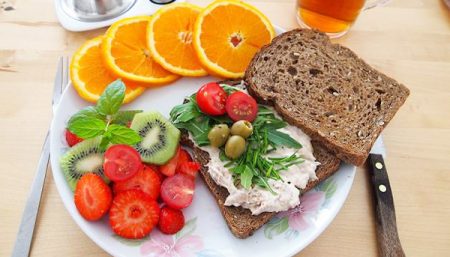
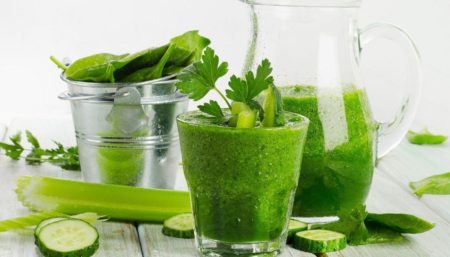
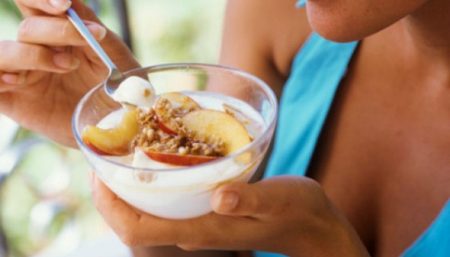
Your body needs food – its fuel – in moderate doses throughout the day so it always has nutrients available. Having four or five ‘mini-meals’ daily helps most people prevent cravings and ultimately achieve and maintain healthy weight. The choice of a healthy snack involves – variety, balance, and moderation. Try to limit the snack calories to 100 to 200 calories.
“Try thinking of snacks as foods eaten between meals rather than as treats or rewards,” suggests Barbara Whedon, R.D., a dietitian and nutrition counselor at Thomas Jefferson University Hospital in Philadelphia. |
Big Benefits from Grazing
Researchers have only recently begun investigating the possible health benefits of the small-meals-plus-snacks style of eating. Here is an example of what grazing can do for you.
Snacking sends pounds packing.
Women who want to lose weight often skip breakfast as a way to lower their calorie intakes. Studies have shown that this practice does more than good. Not eating your morning meal actually makes you more likely to compensate for the missing calories – and then some – by over-eating later in the day. On the other hand, eating small meals and snacks more frequently helps you to manage your appetite better, so you never get too hungry.
Snacking fights fatigue.Grazing can also keep your metabolism, or calorie-burning mechanism, running high. Your body uses calories when you eat and digest food. By consuming smaller amounts of food more frequently, you can end up burning calories very efficiently. You’ll be less likely to gain weight, even though it may seem like you’re eating more than you did before.
When more than four hours go by between meals, your body’s energy supply – your blood sugar, or glucose – dips low enough to allow fatigue to set in. Well-timed snacks give your body steady supply of fuel, so you’re at your best physically and mentally throughout the day.
Studies have shown that a snack between 2:00 and 4:00 in the afternoon can improve cognitive skills such as memory, arithmetic reasoning, reading speed, and attention span.
Snacking combats high cholesterol.
Research comparing people who eat six or more mini-meals a day with people who eat the customary three squares has consistently shown lower cholesterol levels in the nibblers. In one study, consuming six mini-meals a day shaved cholesterol levels by 8 percent, which translates to 16 percent reduction in heart attack risk. To put it another way, a 1 percent reduction in cholesterol lowers the risk of heart attack at least 2 percent, according to evidence from several other studies.
Snacking fends off heart attacks.
A small-meals-plus-snacks eating strategy can help reduce your risk of heart attack by keeping your heart’s workload during digestion to a minim. Whenever you eat, your heart has to pump extra blood to your stomach and intestines to aid the digestive process.
One study demonstrated that meal size can make a difference in terms of cardiovascular demand. When women ate 240-calorie of cornflakes and skim milk, their hearts pumped an extra 84 quarts of blood over the next two hours. When they ate a 720 – calorie meal with added sugar, bread, and honey, their hurts pumped an extra 258 quarts of blood – enough to fill your car’s gas tank five times over. This might help explain why doctors see an increase in the number of heart attack patients with in 24 hours after big holiday meals.
THE 10 HEALTHIEST SNACKS
We’ve ferreted out 10 noteworthy low-fat noshes recommended by the American Dietetic Association that will more than satisfy your taste-buds while sneaking in generous amounts of some very important nutrients. No, cookies, ice cream, and potato chips didn’t make the grade. But we’ll guarantee that once you get used to this new way of snacking, you won’t even miss that high-fat, high-calorie fare.
1. Bagel :
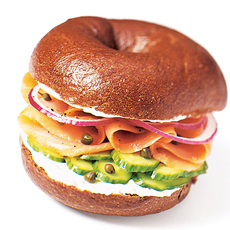 One two – ounce enriched bagel supplies two milligrams of iron – 11 percent of the Daily Value (DV) – along with good doses of the B vitamins- niacin, riboflavin, and thiamin. Instead of topping it with full-fat cream cheese, try cottage cheese or part-skim ricotta. Their heartiness makes them more filling than a croissant, and without any type of topping (i.e. cream cheese, butter, or jelly), they are a reasonable 200 calories.
2. Banana :
Widely recognized as a good source of potassium, bananas are also surprisingly rich in vitamin B6. One four-ounce fruit contains about 0.7 milligram of B6, or 35 percent of the Daily Value. A medium-sized banana provides 400 mg of potassium -11% of daily value- and contains 110 calories and 4 grams of fiber. Bananas also contain plenty of carbohydrates which are the body’s main source of energy. They are also easy to digest. Convenience and nutritional value of bananas make them a good post-exercise snack.
3. Bran muffin :
A tasty way to boost your fiber intake: One 1 1/2 -ounce muffin provides three grams of the nutrient. You also take in 1.8 milligrams of iron, which is about 10 percent of the Daily Value.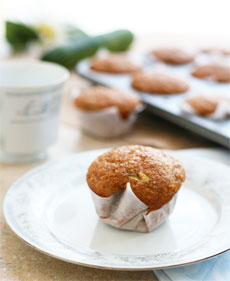
4. Broccoli :
You get over half a full day’s supply of vitamin C – 41 milligrams, or 68 percent of the Daily Value – in 1/2 cup of chopped, raw broccoli. This nutrient – rich veggie offers some folate and good amount of vitamin A, too. Broccoli also has as much calcium as milk, and is therefore an important source of nutrition for those with osteoporosis or calcium deficiencies.
Eat it with low-fat dip.
5. Cantaloupe :
Another stellar vitamin C source: One cup of cubed cantaloupe provides 68 milligrams of C, or more than 100 percent of the Daily Value.
6. Carrot : 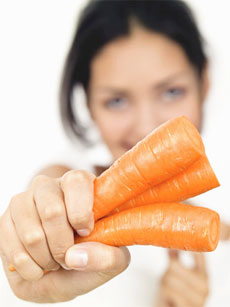
Eat a single medium-size carrot, and you’ll more than satisfy your vitamin A needs for an entire day. Just one contains 17,158 international units of A, which is close to 3 1/2 time of DV
7. Mexican-style beans :
A 1/2 – cup serving of this filling, flavorful fare provides an impressive 7 grams of fiber – about 26 percent of the DV. Just be sure that the brand you buy doesn’t go overboard on sodium.
8. String cheese :
This lower-fat variation on mozzarella cheese supplies 250 milligrams of calcium per 1 1/2 – ounce serving. That’s about 25 percent of the DV.
9. Tuna :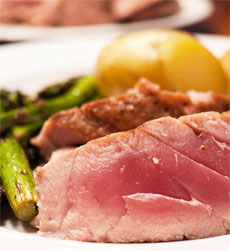
Three ounces of tuna, canned in water, is an excellent source for your daily requirement for vitamin B 12. You’ll get 2 micrograms of the nutrient, or 32 percent of the DV. If you need to add mayonnaise to your tuna, just make sure it’s low-fat.
10. Yogurt :
Here’s another top-notch source of bone-building calcium, with 415 milligrams – about 42 percent of the DV -in every one – cup serving. Be sure to choose nonfat or low-fat varieties. Plain yogurt contains one third of the fat than one piece of apple pie does. Knowing that many fast food choices are loaded with fat and calories, you can still choose wisely and make eating on the run a part of your healthy diet. Plan ahead, and arm yourself with a booklet containing nutrition facts for fast foods or ask the clerk for a pamphlet at the restaurant. You’ll be able to choose foods that will meet your nutritional guidelines and enjoy your healthy snack.
Recipes:
Bran Muffins
Makes: 12 muffins.
Serving Size: 1 muffin
Ingredients
2 cups raisin bran cereal
1 cup skim milk
3 tablespoons vegetable oil
1 egg
1 ¼ cups all purpose flour
¼ cup brown sugar
2 ½ teaspoons baking powder
1 teaspoon cinnamon
¼ teaspoon salt
Directions
Preheat oven to 425 degrees. Prepare muffin tins with non-stick spray.
Mix cereal, milk, oil, and egg in large mixing bowl. Allow to stand for at least five minutes. Combine remaining dry ingredients and add to cereal mixture. Stir until all ingredients are moistened. Fill muffin cups about 2/3 full. Bake for 15 to 20 minutes.
Nutrition Information per Serving:
135 calories
22 grams carbohydrate
3 grams protein
4 grams fat
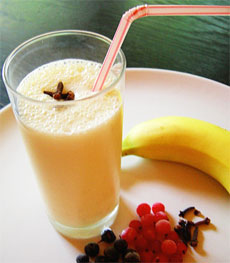 Banana Malted Milk Shake
Makes: 4 shakes.
Serving Size: 6 ounces
Ingredients
2 cups nonfat chocolate or vanilla ice cream
1 sliced banana
½ cup skim milk
3 tablespoons malted milk powder
Directions
Put measured ingredients in blender and mix on high until smooth. Pour into chilled glass, garnish with banana slice, and serve.
Nutrition Information Per Serving:
150 calories
31 grams carbohydrate
grams protein
0.5 grams fat
Cantaloupe Slush with Mango
A refreshing dessert or snack, this provides each person with more than three servings of fruit.
Makes: 4 servings.
Ingredients
1 medium-sized cantaloupe
Juice of half a lemon
2 teaspoons honey
1 mango
Directions
Peel and seed cantaloupe. Cut into 1-inch pieces. (It should equal about 6 cups.) Place in blender or food processor with lemon juice and honey, and puree until very smooth. Pour mixture into a shallow 9×12 glass pan and set in the freezer for two hours.
With a fork, chip and stir the icy mixture and return it to the freezer for two to four hours.
Peel and cut mango into long, thin, attractive slices, avoiding the pit (which is shaped like a large almond). Again with a fork, chip the frozen cantaloupe mixture so it resembles a snow cone or shaved ice. Spoon it into clear bowls, and top with mango slices. Serve.
Nutrition information per serving
Calories 144,
Carbohydrate 37g,
Protein 3g,
Fat 0.5g
Saturated Fat 0g,
Cholesterol 0mg,
Sodium 63mg,
Fiber 5g,
Calories from Fat 3%,
Saturated Fat 0%,
3 “5 A Day” servings.
Related Links
- Easy Ways to Boost Veggie Servings
- Slimming Down Naturally With Food
- Top 10 Reasons to Get Hooked on Fish
- Top 10 to increase Fiber Power
- Top 10 Functional foods
Disclaimer
The Content is not intended to be a substitute for professional medical advice, diagnosis, or treatment. Always seek the advice of your physician or other qualified health provider with any questions you may have regarding a medical condition.