Protein is required in larger quantities for the bodybuilder. To help the body grow and develop. This fact also applies to those individuals in physically demanding jobs involving heavy lifting and high levels of physical activity; which requires additional protein intake as well. The focus of this article will be limited to the 10 Super Foods to help body builders build a better body. Remember to consume a wide variety of healthful foods.
 Fortified Eggs:
An exciting development in the functional food area is the fortified egg. Bodybuilders know that eggs are a good source of protein, but eggs can now also be a good source of omega-3 essential fatty acids. Some egg producers are adding flaxseed to the feed of hens. Adding omega-3 fatty acids, in the form of flaxseeds, to the diets of hens increases the omega-3 fatty acid content of eggs by over six times that of regular eggs. Eating two fortified eggs may provide an adequate amount of omega-3 fatty acids. Egg producers also add vitamin E to the flaxseed feed to keep it stable. This can cause the vitamin E content of fortified eggs to be as much as eight times higher than that of normal eggs. It is also worthy to note that eggs can taste better with the vitamin E enrichment.
 Legumes:
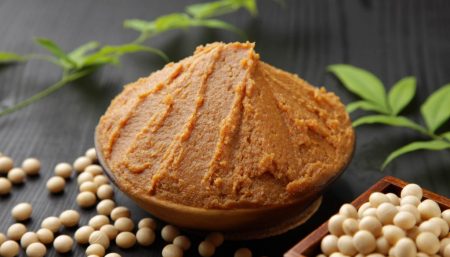
Legumes are an excellent source of soluble fiber, which is important for keeping an athlete’s blood sugar and energy levels stable. As far as plant foods go, most legumes are relatively high in protein and are a good source of slow releasing complex carbohydrates. This is great for providing a more stable and longer lasting supply of energy for working out. Legumes can be eaten in chili, stews, and soups, and are also enjoyable when served cold in bean salads. Some of the more common legumes found in the U.S. include pinto beans, kidney beans, navy beans, lima beans, black beans, chickpeas, lentils, and black-eyed peas. Legumes can be purchased dry, canned, and sometimes frozen.
 Allium Vegetables:
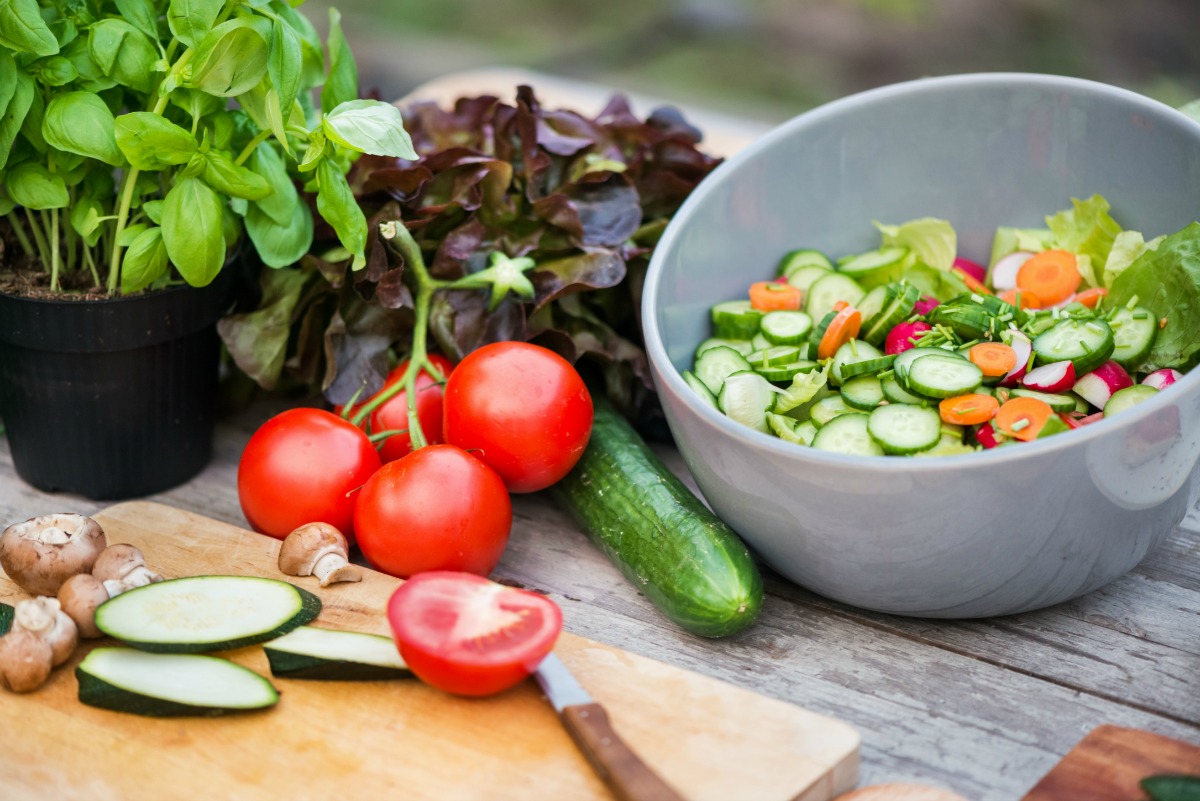
Allium vegetables, such as garlic, chives, onions, scallions, and leeks, are a flavorful way to add healthful nutrients to a bodybuilder’s diet. The benefits of garlic and other allium vegetables may come from their abundant flavonoids, such as quercetin, and also from their sulfur-containing compounds. Allium vegetables may be more beneficial when uncooked. So you may want to add them to sandwiches, salads, salad dressings, and other raw recipes to get the most from them
Allium vegetables, such as garlic, are loaded with healthful flavonoids. |
 Mollusks:
Low in fat, a source of protein, and high in essential minerals, mollusks can be a good addition to a bodybuilder’s diet. Three popular and nutritious mollusk choices are clams, oysters, and mussels. Clams, in particular, lead the way for all foods in heme iron content. Heme iron – found only in red meat, poultry, fish, and seafood – is iron bound to a non-protein compound that is much more easily absorbed by the body than free iron. Clams are also an excellent source of vitamin B12 and copper. These three nutrients may help maintain good blood status for delivering oxygen to working muscles. Along with copper, mollusks are also rich in zinc and selenium. These minerals are necessary for the proper functioning of the body’s immune system and its antioxidant defenses. Mollusks can be cooked in a variety of ways, including steaming, stewing, roasting, baking, broiling, sautéing, poaching, and frying.
 Nuts:
Nuts:
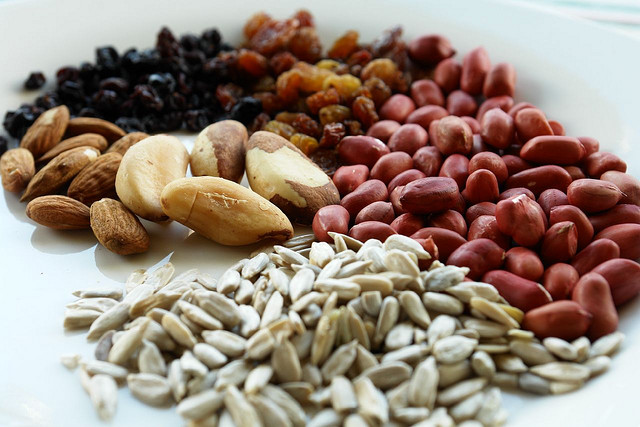
Nuts are a very rich source of nutrients, including polyunsaturated fatty acids, vegetable proteins, fiber, vitamin E, potassium, folate, magnesium, zinc, selenium, copper, phosphorous, phytosterols, antioxidants, and arginine. Although nuts are considered a fatty food, the fat in them may be beneficial. Some healthful choices for the bodybuilder include almonds, walnuts, Brazil nuts, cashews, hazelnuts, macadamia nuts, peanuts, pecans, pine nuts, and pistachios. But remember, eating too much of a good thing can really increase your caloric intake, which could lead to an increase in bodyfat. A good guideline may be to eat one or two servings per day. A serving is one ounce (24 almonds).
 Whole Grains:
Bodybuilders may find whole-grain foods helpful in providing steady energy for hard training. Whole-grain foods are rich in vitamins, minerals, fiber, and essential fatty acids. Some examples of good whole-grain foods include oatmeal, whole-wheat flour, barley, spelt, brown rice, and some hot and cold breakfast cereals. Be wary of products labeled “100% wheat,” “stone-ground,” “multi-grain,” “seven-grain,” “12-grain,” or “organic.” They often contain very little whole grain. Instead, look for whole-grain products that say 100% whole wheat.
 Salmon:
One of the best sources of omega-3 fatty acids, salmon is a great way to add more muscle building protein to your diet. Omega-3 essential fatty acids are important building blocks of cell membranes and, like protein, may help athletes recover from strenuous workouts. Omega-3 fatty acids are also a great addition to anyone’s fat-loss plan.
Salmon is a healthy way to add more protein to your diet. |
 Tomato Products:
Not often do you find a natural food that actually benefits nutritionally by being cooked and processed. This seems to be the case, however, for tomatoes. It appears that even though some vitamin C is lost when tomatoes are heated, the antioxidant power is increased during the process. Researchers have found that the antioxidant lycopene, which is the pigment that makes tomatoes and other fruits like pink grapefruit and watermelon red, is made more bio-available to the human body after heating. Foods rich in lycopene include canned tomatoes, tomato sauce, tomato juice, tomato paste, salsa, and ketchup.
 Flaxseeds:
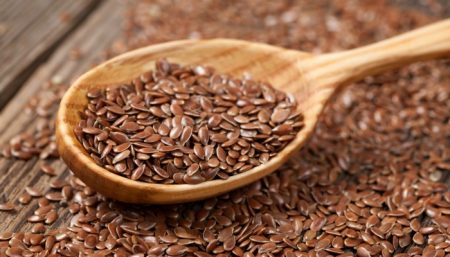
Also known as linseeds, flaxseeds are small, oval-shaped seeds from the blue flowering flax plant. Flaxseeds are considered one of the best plant sources of healthful omega-3 essential fatty acids, and they’re also a good source of fiber. Flaxseeds (but not all flaxseed oil) are rich in phytochemicals called lignans that may have strong antioxidant properties that can help you stay healthy. There are several sources of lignans, such as whole grains, various berries, and soybeans, but flaxseeds are the best source. For easier digestion, flaxseeds should be ground first; a coffee grinder is good for this. The pleasant, nutty flavor of ground flaxseeds can be enjoyed in many foods, such as baked breads, muffins, and cookies. They can also be eaten in salads, cereals, soups, sauces etc.
 Cruciferous Vegetables:
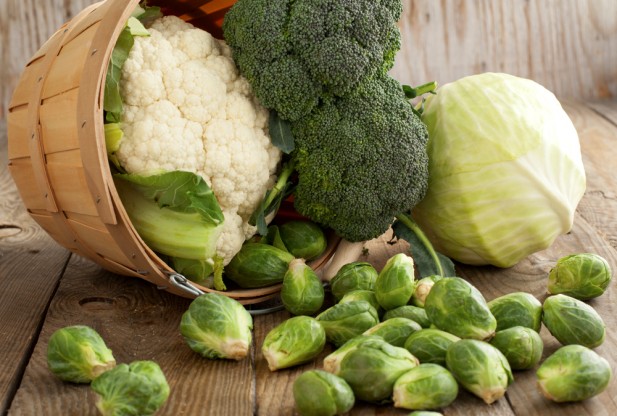
Vegetables such as watercress, broccoli, cauliflower, kale, brussels sprouts, and cabbage are known as cruciferous vegetables. These vegetables are high in fiber, rich in vitamin C, very low in calories, and a good source of healthful phytonutrients. Eating cruciferous vegetables is a good way to take in important micronutrients without taking in a lot of calories. Bodybuilders wishing to lose bodyfat will find cruciferous vegetables to be a good addition to a their focused diet. Try to get three or more servings of these vegetables each week. It’s also interesting to note that cruciferous vegetables can be a dieting bodybuilder’s best friend, as in many cases they require more calories to be digested than they provide. Cruciferous vegetables not only help fill you up, but they also help you burn more calories!
Cabbage is a low-calorie cruciferous vegetable that is high in fiber. |
Bodybuilders put great demand on their bodies during heavy training. Eating well will keep you going strong and staying healthy. Remember, a healthy bodybuilder is a better bodybuilder, so try to add some of these “superfoods” today.
Disclaimer
The Content is not intended to be a substitute for professional medical advice, diagnosis, or treatment. Always seek the advice of your physician or other qualified health provider with any questions you may have regarding a medical condition.