If you have been diagnosed with cancer (or if someone close to you has cancer) you probably have many questions. You want to know what is happening inside your body and why. How should your cancer be treated and what does your future hold ? You many find it difficult to understand explanations from yours doctors, articles you have read or conversations with other people.
Cancer is a complex disease and much is still unknown about it. But having a good understanding of what cancer is will enable you to take a more active role in your treatment.
What is cancer ?
Normal body cells grow, divide, and die in an orderly fashion. Cancer is caused by changes or mutations in genes (DNA) that control healthy cell division. When these genes are altered or damaged, cells divide out of control and become cancerous tumors. Instead of dying, they outlive normal cells and continue to form new abnormal cells. Basically two types of genes are involved oncogenes and tumor suppressor genes. Oncogenes promote normal cell divisions, in the same way the accelerator of your car makes it move. When an oncogene is damaged it acts like an accelerator that gets stuck to the floor and the cells continue dividing out of control.
Mutations in tumor suppressor genes can also lead to cancer. When there are healthy tumor, suppressor genes tell cells when to stop dividing. When a tumor suppressor gene becomes disabled it acts like a faulty brake on a car and can no longer control runway cell division.
These two types of genes can become damaged by substances in the environment called carcinogens which include:
- Cigarette smoking – Smoking can cause cancers of the lungs, mouth, throat, bladder, kidneys and several other organs, as well as heart disease and stroke.
- chemicals radiations – Radiation (x-rays) can cause cancer. But the x-rays used by the doctor or dentist are safe.
- Alcohol- Drinking a lot of alcohol has also been shown to increase a person’s chance of getting cancer of the mouth, throat, and some other organs.
- some viruses – Certain cancers are related to viral infections and could be prevented by behavior changes or vaccines.
Other factor that can cause the genetic changes that lead to cancer include:
- hormones – Breast cancer risk factors include several factors: age; changes in hormone levels throughout life, such as age at first menstruation, number of pregnancies, and age at menopause; obesity; and physical activity
- the aging process
- diet -A healthy diet is vital for a person’s body to work its best.
- an inefficient immune system and
- a healthy susceptibility.
Among the above indicated factors, tobacco use, unhealthy diet, and physical activity are more likely to affect personal cancer risk.
Cancer terms
| Here are some common terms you may read or hear in discussions about cancer. |
| Benign tumor An abnormal growth that is not cancerous and does not spread to other parts of the body. |
| Biological therapy Treatment using substances produced by your own body to help your immune system fight disease also called immunotherapy. |
| Biopsy Removal of a simple of tissue for examination under a microscope for the presence of cancer cells. |
| Carcinogen Any substance that can cause a genetic change (mutation) that leads to cancer. |
| Chemotherapy Treatment using powerful drugs to kill cancer cells throughout the body. |
| Hormone therapy Treatment of cancer by either providing specific hormones that can affect the growth of cancer cells or blocking the production of these hormones by the body. |
| Malignant tumor A group of rapidly dividing cancer cells which can invade nearby tissues or travel to other parts of the body. |
| Metastasis The spread of caner cells from one part of the body to another. |
| Oncogenes Genes that promote normal cell division. |
| Radiation therapy Treatment using high energy x-rays to kill cancer cells. |
| Remission Temporary or permanent disappearance of the signs and symptoms of cancer. |
| Tumor suppressor genes Genes that normally tell cells when to stop dividing. |
How cancer can spread :
The site in which a cancer begins is called a primary tumor. When a cancerous tumor extends to a small blood vessel it can grow through the wall of the vessel and enter the bloodstream. Cancer cells may then called secondary tumors. Cancer cells can also enter the lymph nodes and travel to other parts of the body through the lymphatic vessels. This process of spreading is called metastasis. Because a cancer sometimes spreads to other areas of the body, surgery to remove the primary tumor is important to prevent a recurrence of the cancer at the same site or elsewhere. Chemotherapy, biological therapy and hormone therapy are possible treatments for cancer that has spread beyond the site of the original tumor.
How cancer can affect the body :
Cancer can have widespread effects. It depletes the body’s resources including the ability of the immune system to fight off disease. Healthy cells weaken, causing damage to organs and preventing them from performing their usual job Impaired organ function can cause symptoms such as loss of appetite, weight loss, anemia, fever and fatigue. In recent years the increase in tests to diagnose many forms of cancer at an early, more treatable stage and the development of more effective treatments have dramatically improved the outlook for may people with cancer. Talk to your doctor and take advantage of all the recommended screening tests such as pap smears and mammograms so that any cancer you have can be detected in time for a possible cure.
If you have cancer
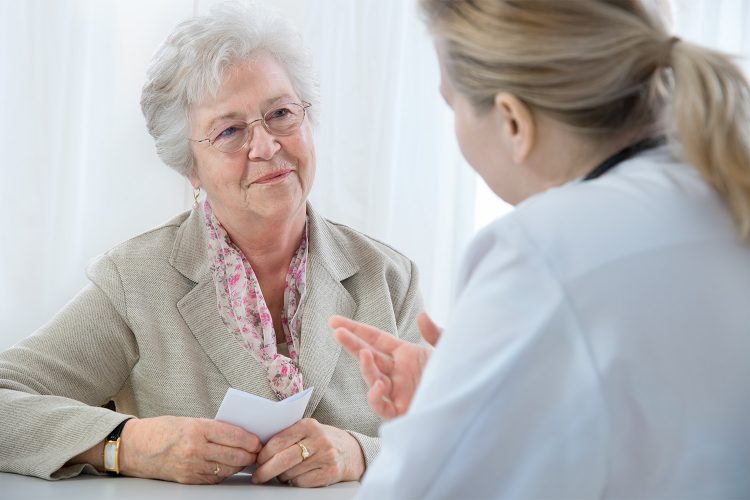
If you have been diagnosed with cancer you doctor will need to discuss the various treatment options. Include your family in these discussions. It may take some times before your and your family come to accept the idea that you have cancer particularly if it is not causing pain or other symptoms. You may need several sessions with your doctor to go over the information, ask questions and decide the best treatment for you. Seek out other sources of information as well. The more you know about your condition the better you will be able to taken an active role in the many decisions that lie ahead.
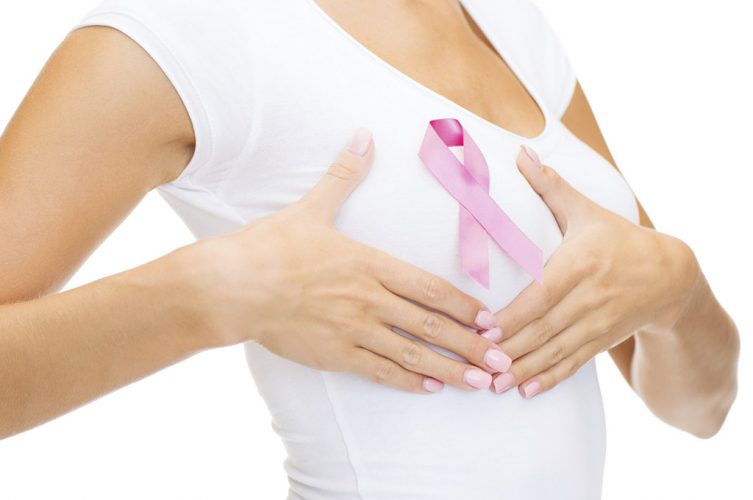
It is a good idea to join a support group of other people who also have cancer. Learning about their experiences with cancer and treatments, can give you a more positive outlook. Having a positive attitude can significantly increase your chances for a cure.
For more
Disclaimer
The Content is not intended to be a substitute for professional medical advice, diagnosis, or treatment. Always seek the advice of your physician or other qualified health provider with any questions you may have regarding a medical condition.