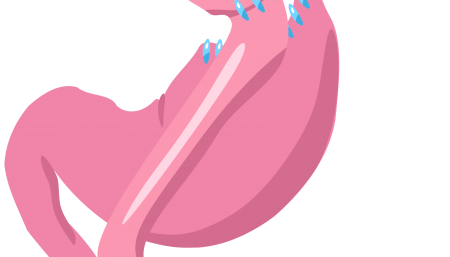
A liquid based diet that is severely restrictive in energy with an intake of about 800 calories or less per day is considered a very low calorie diet. These diets are an alternative method that moderately to severely obese people may consider for significant, short-term weight loss. Such a diet are recommended for a relatively short term (3-6 months) and are to be followed only under medical supervision.
Medical supervision is essential:
(a) To ensure only suitable candidates follow the diet;
(b) To ensure adequate nutrition;
(c) To monitor progress.
Traditional weight loss methods include low-calorie diets that allow between 800 to 1,500 calories a day and encourage regular exercise. |
The average weight loss in this period of time is 10 lb(4.54 kg) to 12 lb(5.44 kg). If exercise is made part of the weight-loss program, the average weight loss increases to about 20 lb(9.07 kg).
Changes that take place within your body while you are on a VLCD include:
- Slow down of BMR – Your metabolism slows to conserve energy because the body thinks it is starving.
- Breakdown of protein as a source of energy – To get needed carbohydrate, the body breaks down protein. This causes a loss of lean body mass such as organ and muscle tissue. It is important to preserve lean tissue, since it increases your basal metabolic rate. Losing too much lean tissue increases the percentage of fat in your body. The result is a reduced metabolism. This is one reason why it is so easy to regain weight when you lose weight quickly.
- Fat loss – In a VLCD (or during starvation), about half the weight you lose is fat and the other half is lean tissue, such as muscle. On a more moderate diet, the loss is about 75% fat and 25% lean tissue.
- Electrolyte and water loss – Electrolytes are minerals found naturally in the body, such aspotassium, calcium, sodium, and magnesium. Electrolytes are needed to keep the body’s balance of fluids at the proper level and to maintain normal functions, such as heart rhythm, muscle contraction, and brain function. Mineral and electrolyte imbalances can occur while on a VLCD. These imbalances can be life-threatening. This is the reason these VLCDs must only be used under a health professional’s supervision.
- Calcium Depletion – Bone mass is lost. This is more risky for women, because they diet more often than men and they are also at higher risk for developing osteoporosis.

Who can benefit from a very low calorie diet?
VLCDs are generally safe when used under proper medical supervision in patients with a body mass index (BMI) greater than 30. BMI is a mathematical formula that takes into account both a person’s height and weight. Use of VLCDs in patients with a BMI of 27 to 30 should be reserved for those who have medical complications resulting from their obesity.
This does not include children, adolescents, pregnant or breast-feeding women, for whom very low calorie diets are not appropriate unless part of a specialized treatment program. Also, people over 50 may not tolerate the side effects associated with VLCDs because of preexisting medical conditions or need for other medications.
These diets are not recommended if you have heart problems, blood clotting problems, bleeding ulcers, liver disease, kidney disease, or cancer or if you have had a stroke.
Benefits of VLCD
A VLCD may allow a severely to moderately obese patient to lose about 3 to 5 pounds per week, for an average total weight loss of 44 pounds over 12 weeks. Such a weight loss can improve obesity related medical conditions, including diabetes, high blood pressure, and high cholesterol. Combining a VLCD with behavioral therapy and exercise may also increase weight loss and may slow weight regain.
However, VLCDs are no more effective than more modest dietary restrictions in the long-term maintenance of reduced weight.

Side Effects of VLCD
Many patients on a VLCD for 4 to 16 weeks report minor side effects such as
- Fatigue
- Constipation
- Nausea and
- Diarrhea
but these conditions usually improve within a few weeks and rarely prevent patients from completing the program.
- The most common serious side effect seen with VLCDs is gallstone formation. Gallstones, which often develop in obese people, anyway, especially women, are even more common during rapid weight loss. Some research indicates that rapid weight loss appears to decrease the gallbladder’s ability to contract bile.
Although VLCDs are efficient for short-term weight loss, they are no more effective than other dietary treatments in the long-term maintenance of reduced weight. Therefore, obese patients should be encouraged to commit to a long-term treatment program that includes permanent lifestyle changes ofhealthier eating, regular physical activity, and an improved outlook about food because without a long-term commitment, their body weights will drift back up the scale.
Related Links
- Diet and Weight Loss
- Sliming Down Naturally with Food
- Fast Weight loss
- Identifying High fat foods
- Understanding the weight reduction potential of yoga
- 100 point strategy to halt weight gain
- Foods for managing obesity
Disclaimer
The Content is not intended to be a substitute for professional medical advice, diagnosis, or treatment. Always seek the advice of your physician or other qualified health provider with any questions you may have regarding a medical condition.