Cholesterol is a soft, waxy substance found among lipids (fats) in the bloodstream and cells. Cholesterol isn’t all bad. Our bodies use it to form cell membranes, for example. But too much cholesterol in the bloodstream can be unhealthy, and lead to coronary heart disease.
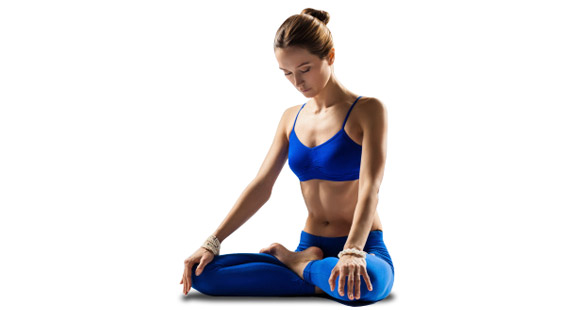
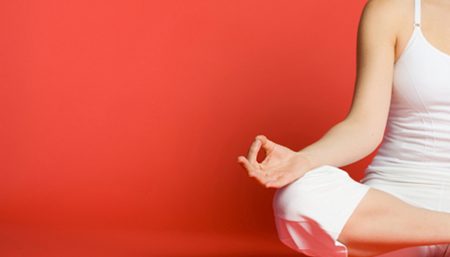
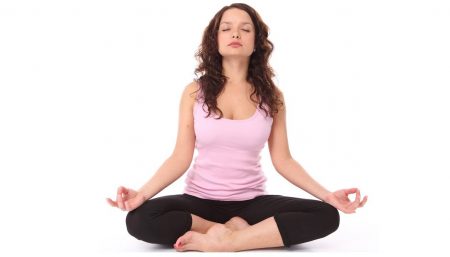
Yoga, uses exercises (asanas) to relax and tone the muscles and to massage the organs, breathing techniques (pranayam) to regulate the body’s energy levels, meditations to calm the mind, and relaxation postures to reduce and eliminate stress and anxiety. The practice of yoga improves the blood and oxygen flow around the body which aids in the removal of toxins and waste. For yoga to be truly beneficial to the lowering of your unwanted bad cholesterol it must be practiced on a regular basis.
Yoga also reduces stress hormones, which in turn lowers cholesterol. That is why meditation is similar to yoga in its cholesterol-lowering power. Yoga will surely help you get rid of the cholesterol and you will be highly satisfied when after two months you go to check the level and find them impressively low. To bring down the ill effects of stress and its byproducts, a daily regime of meditation practices involving simple breathing techniques, and the use of deep meditative techniques practiced for at least 20 – 30 minutes daily can greatly bring about a feeling of good health and a significant lowering of cholesterol. Breathing exercises, meditation and poses namely the Kapalbhati Pranayama is the perfect combination for lowering cholesterol.
Total cholesterol level
LDL cholesterol levels
HDL cholesterol levels
|
Following are the list of helpfull Asana (Postures) and Pranayama (Breathing Excercise):
- Sun-Salutation
- Anulom-Vilom (Anuloma Viloma)
- Kapalbhati
- Bhastrika
Sun-Saluation
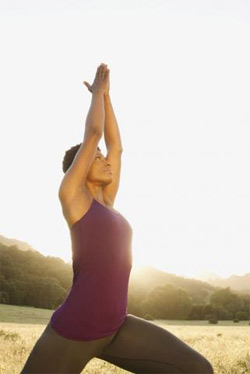 For people with limited time, the Sun Salutation is excellent because it stretches and strengthens all the major muscle groups in the body and exercises the respiratory system.
It is a graceful sequence of thirteen positions linked by a continuous flowing motion, and accompanied by five deep breaths. Each position counteracts the one before, stretching the body in a different way and alternately expanding and contracting the chest to regulate the breathing. One round of Sun Salutation consists of two sequences, the first leading with the right foot in steps 4 and 10, the second leading with the left.
Anulom-Vilom
In this pranayam the breath is regulated with the help of the nostril. It helps encourages mind to higher levels of discrimination, concentration and thoughts. Gives more energy and oxygen to the physical body and helps calm your nerves and improve circulation.
How to do
- Hold your right nasal with thumb, breathe in from left.
- Now open right nasal and close left nasal with middle and ring finger and breathe out from right nasal.
- Now breathe in from right nasal.
- Now close right nasal and open left and breathe out and in from left nasal and so on.
Kapalbhati
To perform Kapalbhati Pranayama, sit in a comfortable position. As you relax concentrate on the sound of your breathing. Breathe in as you would normally do. However, as you start to exhale concentrate on the speed of exhaling and how the stomach contracts with every exhalation. As you garner speed on exhalation you will notice that you will be making some sort of a noise while exhaling which is perfectly fine. Kapalbhati Pranayama must be performed for 50 – 60 times daily especially in the mornings.
Bhastrika
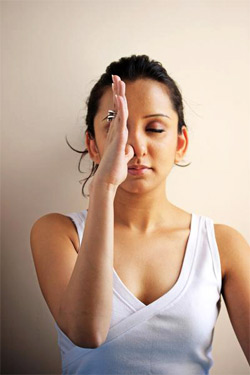 Bhastrika is primarily consists of forced rapid deep breathing which serves as a basis for many varieties of exercises, all of which may be described by the same name. Although air is forced both in and out, the emphasis is placed upon the expulsion or explosion of air.
- How to do
- Let the left hand rest on the left knee and place the right hand next to the nose.
- Sit straight in a comfortable posture.
- Inhale and exhale quickly in short and shallow breaths through both nostrils from four to ten times.
- Again inhale and exhale through the nostrils contracting the middle and lower portions of the abdomen.
- How to release
- Then exhale completely, holding the breath for a while.
- After this, inhale through the right nostril and retain the breath for a while.
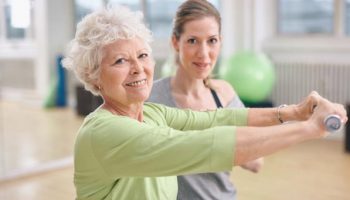
Yoga helps in controlling cholesterol by reducing the fat content in your blood and ensures you a healthy heart, brain and blood circulation. Don’t misguide yourself with certain ideas that the LDL cholesterol is very hard to get rid of. The main factor with cholesterol is that the fats in your body don’t get burned up due to lack of physical activity or improper lifestyle.
Disclaimer
The Content is not intended to be a substitute for professional medical advice, diagnosis, or treatment. Always seek the advice of your physician or other qualified health provider with any questions you may have regarding a medical condition.