Infections and Infestations of the skin are most often accompanied by a rash and itching. Both Infections and Infestations are contracted by direct close contact with another infected/infested being or contaminated articles.
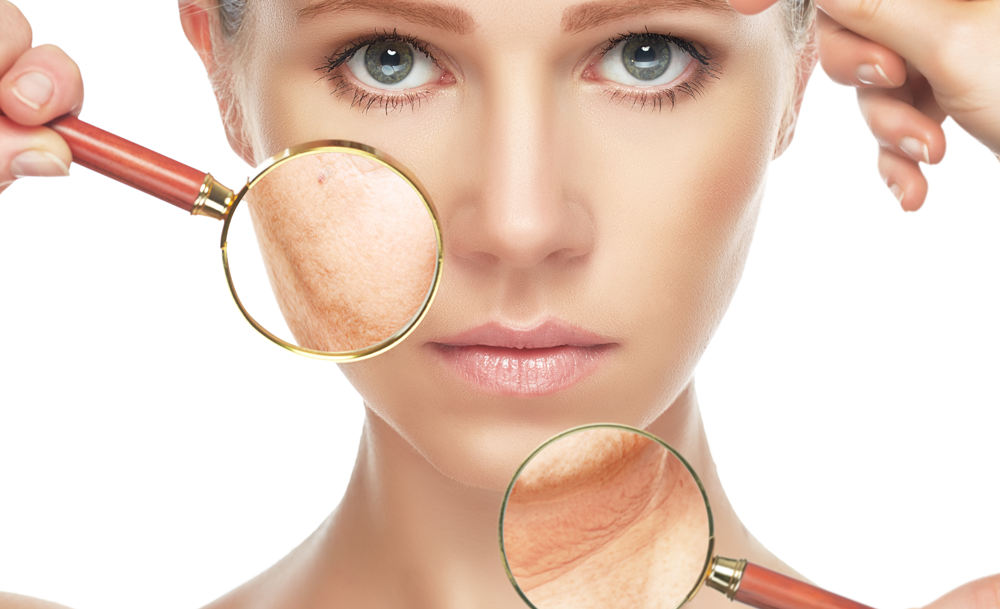
Infections are caused by a BACTERIUM, VIRUS, or FUNGUS. Infestations are caused by LICE and SCABIES and FLEAS.
Boils
Most often caused by the Staphylococcus bacterium, a boil takes hold in a hair follicle and prompts the formation of a red lump, which gradually fills with yellow pus as the infection thrives. The lump can become painful from pressure on nerves.
Boils often arise in crops because of the high local concentration of bacteria. If other follicles become infected, a carbuncle, which is a multi-headed boil, can form; It can grow as wide as 5 cm (2 in) across.
Key sites for boils are the back of the neck, armpit and groin, where Staphylococci colonize because these areas offer an attractive moist environment for the organism to thrive; Boils sometimes develop at other sites such as in the nose.
A stye is a small boil in an eyelash follicle.
To reduce the chance of infection spreading, thoroughly wash the area around a boil with an antiseptic soap. In severe cases, antibiotics can prevent further development but, once a boil has become established, it must run its course and cannot be eliminated without treating with drugs.
Do not burst a boil because this can spread infection. Applying a hot compress can relieve discomfort and soften the boil, allowing it to come to a head.
For a large boil, a visit to a doctor may be necessary to lance it under a local anesthetic.
Poor personal hygiene, obesity and heavy sweating encourage boils. People with diabetes and eczema can also be prone to boils because they have lowered resistance to bacterial infection.
Impetigo
Contagious weepy blisters that burst, leaving behind honey-colored crusts or scabs can identify impetigo, which is caused by Staphylococcus or Streptococcus bacteria.
It often starts around the lips, nose and ears, especially, if there are cuts, scratches, cold sores or eczema. Touching the affected skin can spread the infection around the body and to others.
Antibiotic tablets clear infection in about 5 days. Loose crusts should be gently washed off with soap and water and dabbed dry.
Keep affected children away from school and prevent them from touching others. Boil pillowcases, towels and flannels after every use.
Warts
Common, contagious, but mostly harmless growths on the skin,warts are caused by infection by the human papilloma virus (HPV). At least 30 types of HPV have been identified.
Children are susceptible to human papilloma virus because their immunity is less developed. Ill health in older people also makes them susceptible.
Common warts appear on sites prone to injury such as hands, face, elbows and knees, especially in children.
Plantar warts, or verrucas, on the sole of the foot can be painful when standing.
Flat warts occur mainly on the wrists, hands and face.
Genital warts are spread by sexual intercourse.
About 50 percent of warts disappear of their own accord within a year. However, wart paints or gels, available over the counter from pharmacies, are quick and effective. Most contain salicylic acid and should be used after a bath when the skin is soft and absorbent.
Warts can be frozen off with liquid nitrogen—this is called cryotherapy.
If you have a verruca, cover it in swimming pools and public showers to avoid spreading it.
You should always report genital warts to your doctor. They greatly increase the risk of cervical cancer in women and can be spread between sexual partners. Use a condom during sexual intercourse.
Molluscum contagiosum
This highly contagious viral infection mainly affects children—particularly those with eczema. It forms shiny wart-like spots, or papules, which develop a dimple on the top as they grow.
The papules usually appear in groups on the genitals, thighs, face and elsewhere and can be spread around the body by scratching.
They sometimes disappear on their own. Treatments include freezing with liquid nitrogen or liquid phenol. The doctor may prescribe an ointment that can limit the spread. Children with only a few warts can soak in a warm bath, and then gently scrub with a pumice stone.
Prevent an infected child from sharing baths and towels with others.
Ringworm
Red, itchy scaly patches with centers that usually heal and leave characteristic scaly circles are the symptoms of ringworm, a type of fungal infection.
It can cause persistent scaling that resembles eczema on the hands and feet. If the scalp is infected, it can cause patchy hair loss.
Patches are most often on the torso, groin (known as jock itch). Buttocks and armpits.
Ringworm can occur on the palms of the hands and the soles of the feet, as well as on the scalp.
It can also infect nails, giving them a smooth white or crumbly yellow surface.
Treat early with antifungal creams, tablets or nail paints. Most infections clear in a week or two, but continue treatment as prescribed to prevent regrowth.
Nails take a year to heal. In persistent cases, skin or nail samples may be sent to a laboratory for analysis.
To protect others, use separate towels and flannels. Unaffected people in the household may minimize the risk of infection by using an antifungal dusting powder.
Athlete’s Foot
The skin becomes cracked and sore and often blisters and peels away when infected by athlete’s foot, a type of fungal infection. Affected nails become detached or thick and discolored. It often occurs in those who wear thick boots or shoes.
It is common between the toes, from where it can spread to soles of the feet and the toenails.
Antifungal cream can clear up this condition.
Dry your feet carefully, and dust them with antifungal powder. Always wear cotton socks and change them daily. Wear sandals or go bare foot it possible. Disinfection bathroom and shower floors help prevent the infection from spreading.
Pityriasis versicolor
In this condition, while, brown or salmon scaly patches up to 1 cm (½ in) wide are caused by a fungus that is normally present on the skin, but growing at an abnormal rate. It most often affects young and middle aged adults, especially men.
The patches typically appear on the torso and arms, with no other symptoms.
Carefully treat the whole body with an antifungal shampoo. If any patches are missed, the fungus will recur: The skin may take several moths to return to its normal shade.
Not contagious, but people who are prone to the condition should change their underclothes and nightwear daily and thoroughly wash them.
Scabies
Caused by a parasite called Sarcoptes scabei, scabies is transmitted from person to person by close contact, such as sharing a bed, hugging or sitting on a knee. Eggs show up as tiny grey scaly swellings. There is inching or; later, reddish lumps, caused by an immune system reaction to protein produced by the mites.
Female mites lay eggs just under the skin’s surface, most often on the fingers and wrists, around the nipples in women. The eggs may not hatch for a moth, but when they do, the inching becomes severe and affects the whole body from the neck down.
Use special “scabicide” preparations over the entire body, particularly in any skin crevices. The itching may persist for up to two weeks.
Scabies is highly contagious during the “Window” period between infection and when the eggs hatch. Treat anyone who has been in physical contact with an affected person at the same time, whether or not itching is present, Wash bed linen and underwear; Hang out other clothes or store in bag for 24 hours—the mites die quickly once they are away from the body.
Lice
These small insects feed on blood and cause irritation by puncturing the skin. There are three types: head lice (nits) and pubic lice (crabs), which live on body hairs, and body lice. All of them cause intense itching.
Head lice live on the scalp, are common in children and spread by close contact. Easy-to-see pubic lice infest pubic hair and are often spread by sexual contact. The rare body lice feed on skin but live and lay eggs in unclean clothing.
For head or public lice, apply a special lice shampoo, and use a fine toothed comb to remove the eggs from hair. Boil or dry clean clothes to kill body lice.
Ensure lice are gone by repeating treatment weekly for several weeks, and check and treat those who are in close contact with an affected person. To avoid pubic lice, do not share towels or clothes used by an affected person.
Related Links
- Athlete’s foot
- Blisters : causes cures and treatments
- Eczema
- Styes or Eyelid Bump
- Skin Care
- Common Skin Problems
Disclaimer
The Content is not intended to be a substitute for professional medical advice, diagnosis, or treatment. Always seek the advice of your physician or other qualified health provider with any questions you may have regarding a medical condition.