Yogic science recognizes that spiritual health is activated by a system of CHAKRAS or never centre said to be located within the spinal column. Cosmic energy lies coiled within these CHAKRAS and has to be awakened for self – realization.
The Meaning Of Chakras
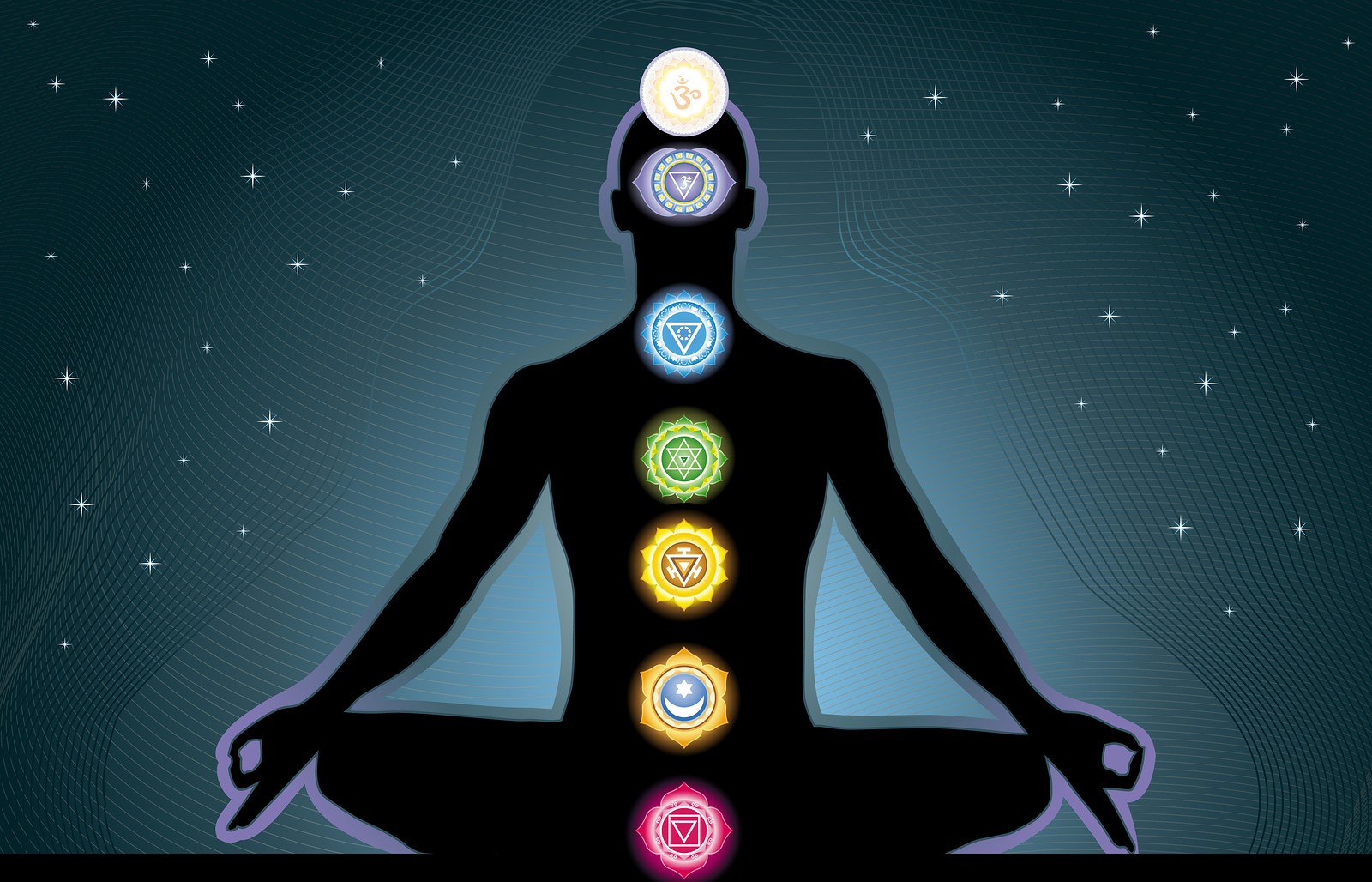
“Chakra” means wheel or ring in Sanskrit and our personal chakras have energy coiled within them, located along the spine and head. They are the critical junctions which determine the state of the body and mind. Just as the brain controls physicals mental and intellectual functions through the nerve cells or neurons, chakras taps the prana or cosmic energy which is within all livings beings and transform it into spiritual energy. This is spread through the body by the “nadis” or channels.
Being invisible chakras are tangible only through their effects. They can be accessed once the student of yoga has achieved all the right aspect of yoga when the human self merges with the divine self.
There are 11 chakras of which 7 are crucial and the others dependent. The most important is the Sahasrara chakra where prakriti shakti or energy unites with purusha shakti or soul.
1. Muladhara, the Root Chakra

The lowest of the seven chakras sits at the bottom of the pelvic floor, and it is called Muladhara, which means root support. Here sleeps the mighty kundalini energy in Her form as the serpent with the tail in its mouth. When this red chakra is over active there is too much focus on the physical. These people are too physical, too money minded and materialistic and deny the finer side of life. They have no compassion and can be violent. A balanced and healthy muladhara gives a firm sense of security, rootedness, unshakeable inner strength and the feeling of being comfortable and safe in the world. To have a healthy muladhar you need to conquer your fears, balance the material and spiritual sides of life and also keep your body fit and healthy. When awakened by yogic means this chakra gives great physical strength, incredible stamina, complete power over the body and robust health.
2. Swadhistan, the Sex and Identity Chakra.
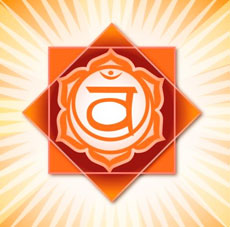 The second chakra sits at the bottom of the spine and is called Swadhistan, which means ‘ones own home’. Our sense of identity is based in this moon silver chakra, and it is also the sex and pleasure center. When overactive the person is hyper sexual and lives only for sensation.
When it is under active there is no enjoyment of life and no sex drive. The person lives life as if it is a burden. They are often pessimists, and lack a sense of humor. They are also unsure of themselves, indecisive, lack a firm identity, are moody and can be easily swayed. When this chakra is balanced all appetites are in control, the person can seek pleasure and enjoy life without making that the overwhelming drive. To have a healthy swadhistan you need to work on your self esteem, use creative ways to express your emotions freely and learn to enjoy life.
3. Manipur, the Power Center.
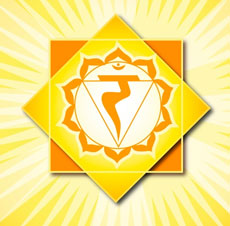 The third chakra, Manipur is located at the level of the navel. Its name means ‘city of jewels’. This fiery chakra deals with energy, power and heat. When it is over active the whole life is spent in the search for power. When it is under active the person feels powerless and a victim, helpless in the face of a bullying world. When in balance it gives a strong feeling of power and centeredness, without trying to dominate others. If you want a healthy manipur you must stop trying to control or change others and look for the power within instead. When awakened this chakra gives control over heat and cold, endless energy and the psychic power of healing.
4. Anahat, the Heart Chakra
 The fourth chakra is Anahat, ‘unstruck sound’, sound which is beyond the physical realm. This blue chakra is situated in the center of the chest at the heart level. When this chakra is overactive the person may be emotionally out of control, too sentimental, and prone to drastic mood changes. Often an overblown heart chakra is combined with a weak manipur and the person tends to be led by other people rather than stand up on their own feet. When under active there is often an over strong mental chakra. This leads to the total suppression of feeling. When in balance the person is full of love and compassion. Social workers, healers, and people in caring professions usually use a lot of anahat energy. To have a healthy anahat you need to be able to express your feelings of love and compassion openly and joyfully. When awakened this chakra is the beginning of the spiritual path and opens the psychic power of telepathy.
5. Vishuddhi, the Mind Chakra
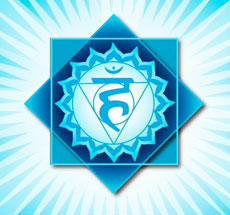 The fifth chakra, Vishuddha is at the throat, and its name means purity. This smokey purple chakra is the mind chakra. It deals with the powers of the rational and the logical. When overactive the person is too critical, fanatical, sarcastic and judgmental. They argue and criticize, make hurtful jokes and must always be right. When under active the person does not use the mind at all. In old age this can show up as loss of memory. A balanced mind chakra gives a clear mind but also compassion of heart since it is balanced by a healthy heart chakra. This chakra is balanced when you learn to be without judgment and without criticism. And when you use the mind to learn rather than tear others down. This chakra when awakened enables one to hear the voices of inner guides, teachers and also opens up intuition.
 6. Ajna Chakra, the Third Eye
The sixth chakra, located in the center of the forehead, is called Ajna which means, ‘command ‘ center. The name indicates that mastery of this blue-white chakra gives control over all the other chakras and the body as a whole. This is why ancients wore the bindi here to remind themselves of this powerful chakra. The third eye chakra, when opened, gives clairvoyance and also control over the whole chakra system.
7. Sahasrara, the Crown Chakra
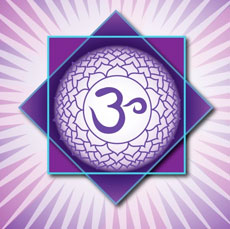 The uppermost of the seven chakras is Sahasrara whose name means thousand petalled lotus. This chakra is often seen as a brilliant golden light around the head. Sahasrara is the ultimate chakra and the very last to open. Yogic tradition asserts that those who open this chakra have total control over life and death. They can die only when they choose to, and in death their soul leaves from the top of the head, through this chakra, which means that the human incarnation is over and they will not return.
The practice of yoga is directed at awakening the, divine energy within every human being. Asanas and pranayama uncoil and alert the chakras. In the process the nadis are activated. This causes the chakras to vibrate and to generate energy which is then circulated all over the body through the nadis. The emotions rooted in the chakras are transformed as divine energy is awakened and circulated.
To achieve self -realization, persistent rigorous practice of yoga will help to conquer the 6 main obstacles to happiness- desire, anger, greed, infatuation, pride and envy.
Disclaimer
The Content is not intended to be a substitute for professional medical advice, diagnosis, or treatment. Always seek the advice of your physician or other qualified health provider with any questions you may have regarding a medical condition.