Do not eat other people’s leftovers
Having the crusts from your toddler’s peanut butter sandwich, a small handful of your co-workers m&m’s, a few sips of coke, and a bite or two of your hubby’s ice cream may seem harmless but these calories add up big time. Be careful about these seemingly small daily cheats. If you have to indulge set a limit that’s within your daily calories and try to stick to it. The smarter thing to do is to figure out how to banish junk food cravings altogether until you’ve lost the weight.

 Chew your food thoroughly
Eating fast short-circuits the signals that your digestive system generates to signal that it’s getting full. Slowing down gives your stomach and intestines time to send these messages to your brain.
 Avoid eating fast food on the run
A good diet helps your body withstand stress better. But when you’re hustling to catch a flight or making it to a meeting on time, you’re probably not thinking about making your next meal a healthy one. Avoid all-you-can-eat, buffet-only, and dessert-cart places. Try going Asian or vegetarian, for a lot of tasty options. Try a grilled chicken sandwich for a satisfying snack on the go. Snack on whole-wheat crackers and fruit on the tour bus to resolve against roadside, greasy-hamburger stops. Eat a Nutribar before your conference begins so you don’t give in to a candy bar break later.
 Exercise regularly

Three times a week, perform some type of aerobic conditioning or circuit training for 20 to 30 minutes. Exercising the ab muscles twice a week is plenty. For example, perform your ab exercises every Monday and Thursday. Muscles become stronger and more firm through the process of adaptation. We stress the muscle and then it recovers and comes back stronger and better. The muscles need time to recover. Another reasons for sagging tummy is, bad posture. More than often, women have their shoulders falling and with the posture is beginning to lean forward. Practice healthy posture with your shoulders up and back straight while walking, sitting at your desk and exercising. Doing this while exercising helps flatten the belly.
 Only eat until you feel comfortable : better the excess in the bin than on your bum
Learn your body’s signals and practice stopping before you feel full. Begin eating smaller, more balanced portions of food. By eating smaller portions you’re moving toward a flatter belly.
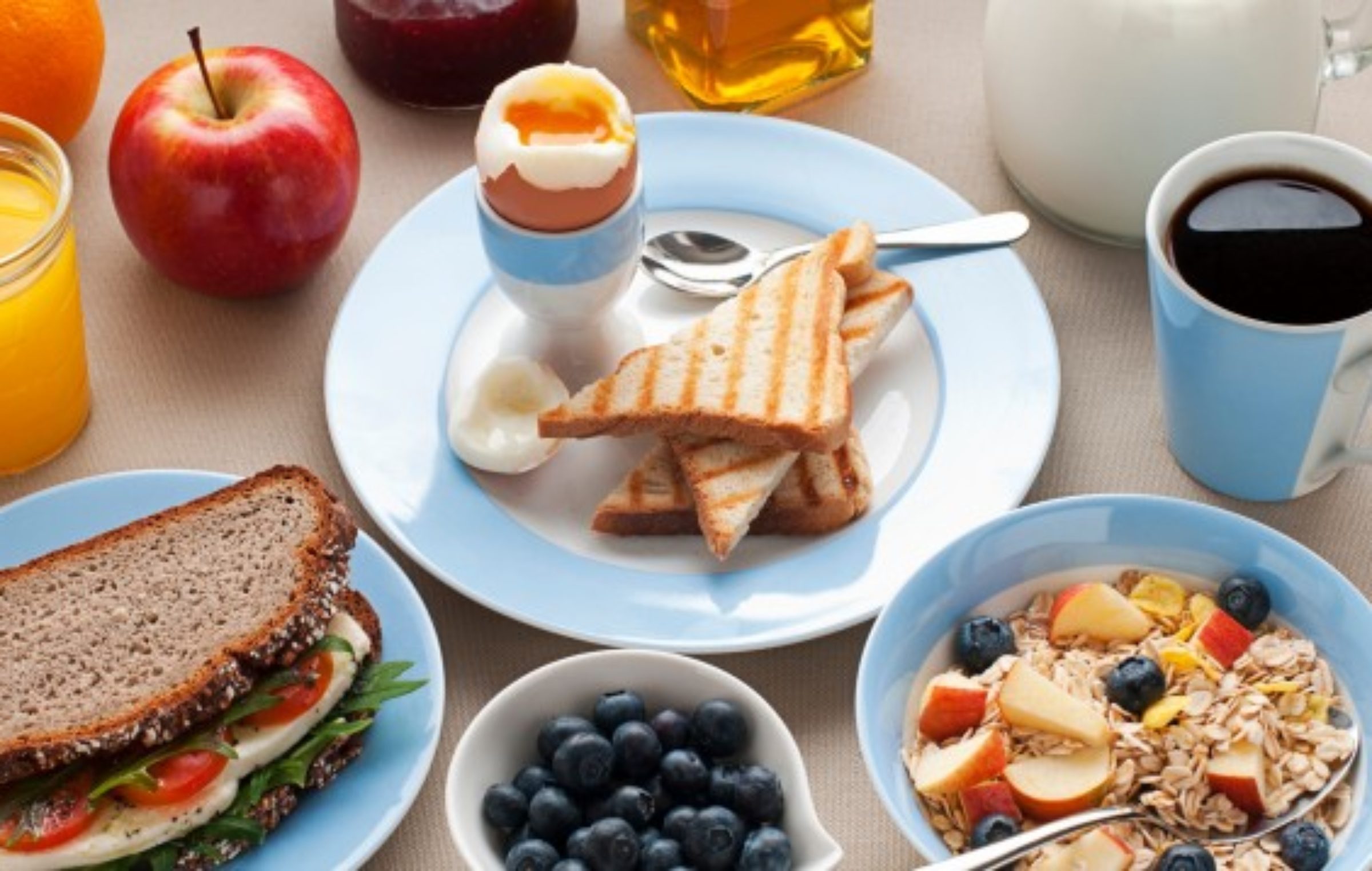
 Eat foods that are low in fat
Fat in a meal or in snacks such as nuts or corn chips helps you feel full. Good fats such as olive or canola oil can also help improve your cholesterol levels when you eat them in place of saturated or trans fats or highly processed carbohydrates.
 Drink lots of water
Water is fundamental to our existence. Your body is made up of 60 per cent water, which provides the fluid it needs to function efficiently both inside the cells and in the blood plasma and saliva. Many people do not drink enough water, and can become dehydrated without even knowing it, especially when you exercise. The recommended intake is about six to eight glasses a day. When you exercise, make sure you sip water before, during and afterwards.
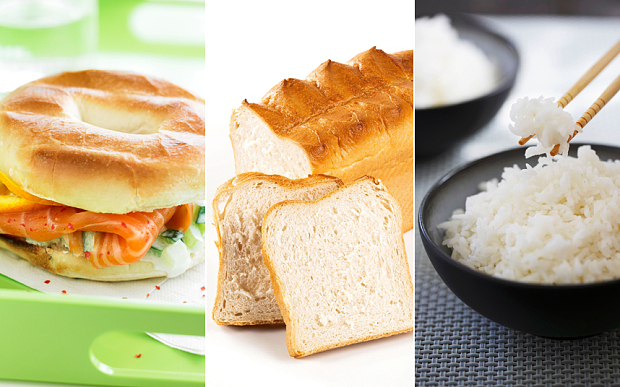
 Eat complex carbohydrates and not simple sugars
Eating foods that make your blood sugar and insulin levels shoot up and then crash may contribute to weight gain. Such foods include white bread, white rice, and other highly processed grain products. As an alternative, choose complex carbohydrates that have a gentler effect on blood sugar. These include whole grains such as wheat berries, steel-cut oats, and whole-grain breads and pasta, as well as beans, nuts, fruits, and vegetables.
 Eat moderate amounts of protein
unless your doctor or a specialist has advised you otherwise (some people need more protein in their diet than others)- Eat low-fat cheese, more of pulses, poultry and fish. Eat eggs in moderation and cut down on red meat.

 Take a test at a health food store for any allergies or reactions to food
Weight gain can also be caused by health conditions such as hypothyroidism, food sensitivity, Cushing’s syndrome, organ disease, prescription drug use, anxiety, blood sugar imbalance and essential fatty acid deficiency. Allergy Reactions to foods are not always immediate. They can occur many hours later as bloating and swelling in the hands, feet, ankles, abdomen, chin and around the eyes. Much of the weight gained is fluid retention caused by inflammation and the release of certain hormones.
Healthy eating is a lifelong goal. If one meal isn’t healthy, make sure the next one is. If you overdo it one day, eat less the following day. And don’t forget to work in physical activity. At least 30 minutes, five or more times a week can help you maintain your weight and health.
Getting your posture right
Lie on the floor with your head balanced on a pile of paperback books stacked about as high as your hand span. Gently rest your hands on either side of your navel and bring your feet in towards your buttocks so that your knees point up towards the ceiling. Try to become aware of any tension in your body. As you feel it, don’t try to correct your position. Instead, think about your spine lengthening and the tension disappearing.Staying in this position for about 20 minutes will help you isolate aches and pains, which usually signal imbalances in your body, and teach you what it feels like for your body to be balanced. The aim is to eventually walk, stand and sit in this same symmetrical way.
Disclaimer
The Content is not intended to be a substitute for professional medical advice, diagnosis, or treatment. Always seek the advice of your physician or other qualified health provider with any questions you may have regarding a medical condition.