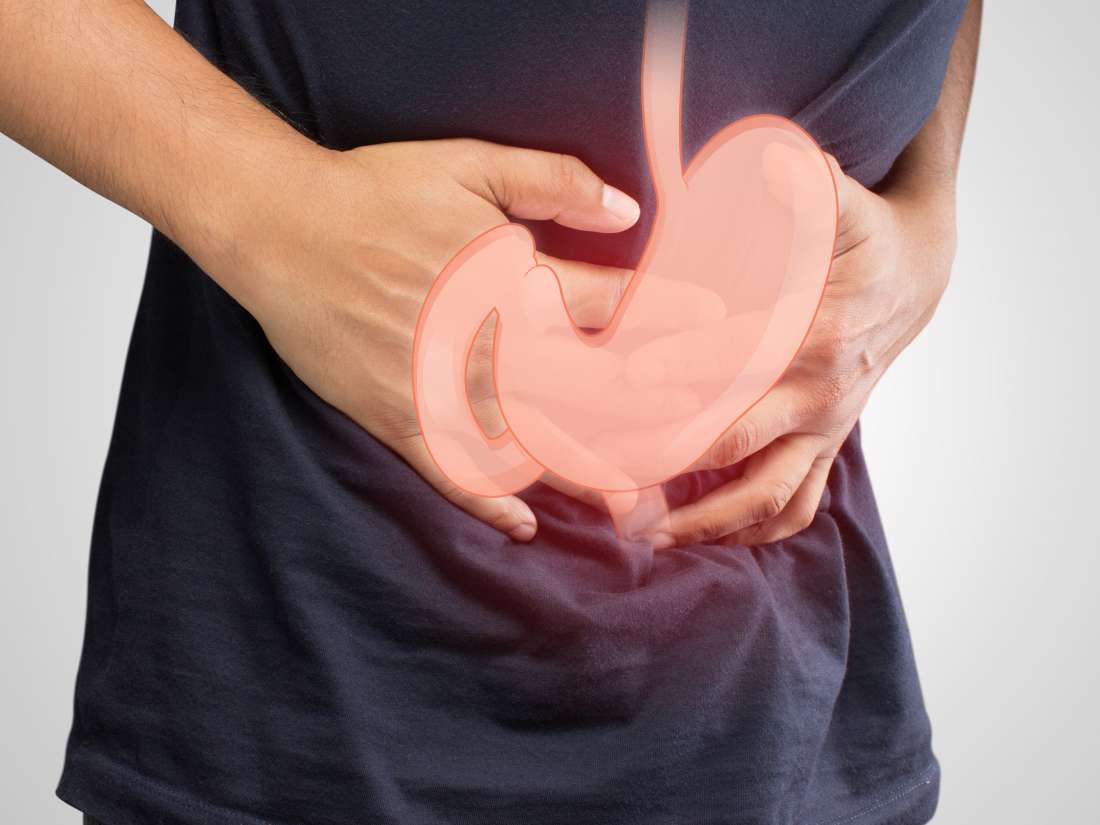
Delayed gastric emptying or Gastroparesis is a condition in which the food remains in the stomach for an extended time and causes stomach problems. It is a chronic disease, which results when the nerve muscles and the intestines do not work properly.
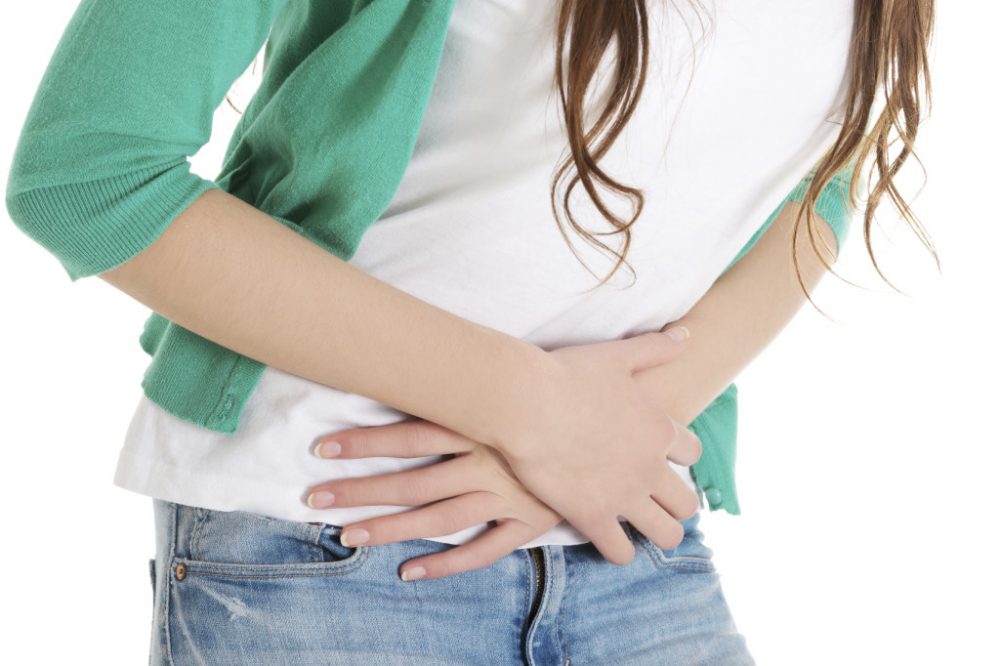
Normally, the stomach contracts to move food down into the small intestine for additional digestion. The vagus nerve controls these contractions. Gastroparesis may occur when the vagus nerve is damaged and the muscles of the stomach and intestines do not properly function. Food then moves slowly or stops moving through the digestive tract.
Indicated Causes
The factors that lead to this ailment are – systemic sclerosis, stomach surgeries, viral infection, ulcer and tumors in the stomach, problems with adrenal glands, intake of medications (narcotics, nicotine, calcitonin, antacids, etc), nervous system diseases such as Parkinson’s disease or multiple sclerosis. Diabetes is the most common known cause of gastroparesis. People with diabetes have high levels of blood glucose, also called blood sugar. Over time, high blood glucose levels can damage the vagus nerve.
Occasionally, gastroparesis is caused by reflexes within the nervous system, for example, when the pancreas is inflamed (pancreatitis). In such cases, neither the nerves nor the muscles of the stomach are diseased, but messages are sent through nerves from the pancreas to the stomach which prevents the muscles from working normally.
Heavy cigarette smoking is also a plausible cause since smoking causes damage to the stomach lining.
Other causes of gastroparesis include imbalances of minerals in the blood such as potassium, calcium or magnesium, medications (such as narcotic pain-relievers), and thyroid disease.
Symptoms
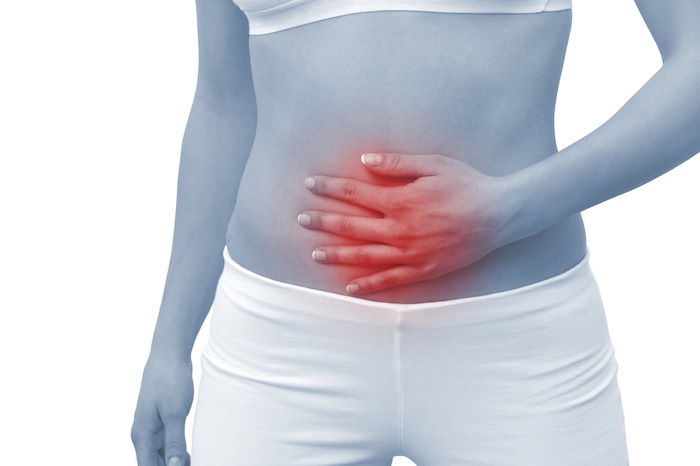
The most common symptoms of gastroparesis are
- Nausea
- A feeling of fullness after eating only a small amount of food or bloating
- Vomiting of undigested food—sometimes several hours after a meal.
- gastroesophageal reflux (GER), also called acid reflux or acid regurgitation—a condition in which stomach contents flow back up into the esophagus, the organ that connects the mouth to the stomach
pain in the stomach area - abdominal bloating
- Lack of appetite
- Weight loss
Symptoms may be aggravated by eating greasy or rich foods, large quantities of foods with fiber—such as raw fruits and vegetables—or drinking beverages high in fat or carbonation. Symptoms may be mild or severe, and they can occur frequently in some people and less often in others. The symptoms of gastroparesis may also vary in intensity over time in the same individual.
Diagnosis
Based on the symptoms and medical history, your GP may ask for some tests.
- Barium X-ray – where you swallow a liquid containing the chemical barium, which shows up on X-ray and highlights its passage through your digestive system
- Gastric emptying scan using scintigraphy – you eat food (often eggs) containing a very small amount of a radioactive substance that is detected on the scan; gastroparesis is diagnosed if more than 10% of the food is still in your stomach four hours after eating
- Wireless capsule test – you swallow a small, electronic device that sends information about how fast it moves through your digestive tract to a recording device
- Endoscopy – a thin, flexible tube (endoscope) is passed down your throat and into your stomach to examine the stomach lining and rule out other possible causes
- Ultrasound uses a device, called a transducer, that bounces safe, painless sound waves off organs to create an image of their structure. The procedure is performed in a health care provider’s office, outpatient center, or hospital by a specially trained technician, and the images are interpreted by a radiologist; anesthesia is not needed.
Dietary Management
Treatment of Gastroparesis includes:
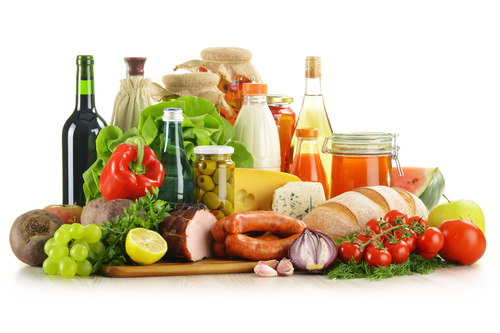
- Dietary changes (low fiber diets) and, in some cases, restrictions on fat and/or solids). Fat naturally slows digestion and some raw vegetables and fruits are more difficult to digest than other foods.
- Eating smaller meals, spaced two to three hours apart has proved helpful. Eating six small meals a day instead of three large ones is a good option.
- Avoiding foods that cause the individual problems, such as pain in the abdomen, or constipation, such as rice or beef, will help avoid symptoms.
- Chewing food well, drinking noncarbonated liquids with a meal, and walking or sitting for 2 hours after a meal—instead of lying down—may assist with gastric emptying.
- Some foods, such as oranges and broccoli, contain fibrous parts that do not digest well. People with gastroparesis should minimize their intake of large portions of these foods because the undigested parts may remain in the stomach too long. Sometimes, the undigested parts form bezoars.
- When a person has severe symptoms, a liquid or puréed diet may be prescribed. As liquids tend to empty more quickly from the stomach, some people may find a puréed diet helps improve symptoms. Puréed fresh or cooked fruits and vegetables can be incorporated into shakes and soups.
A health care provider may recommend a dietitian to help a person plan meals that minimize symptoms and ensure all nutritional needs are met.
When the most extreme cases of gastroparesis lead to severe nausea, vomiting, and dehydration, urgent care may be required at a medical facility where IV fluids can be given.
| For Diabetics To better control blood glucose, people with diabetes and gastroparesis need to,
|
Disclaimer
The Content is not intended to be a substitute for professional medical advice, diagnosis, or treatment. Always seek the advice of your physician or other qualified health provider with any questions you may have regarding a medical condition.