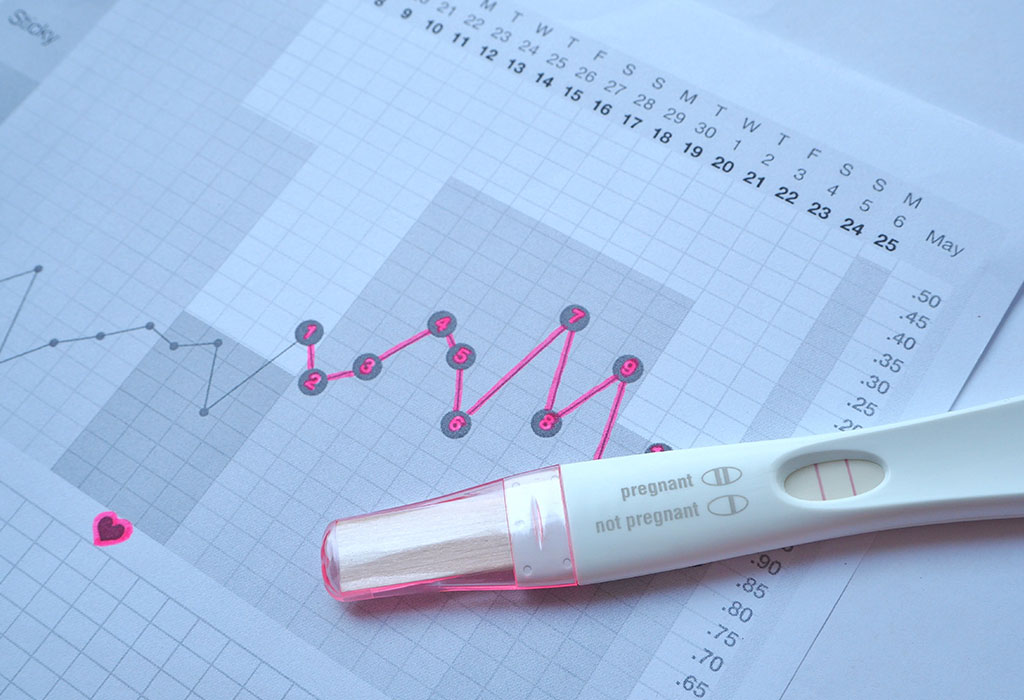
While good physical health – including healthy diet and avoiding hazards like smoking, drugs, and irradiation – is vital to successful conception and pregnancy, so too, is the emotional state. Most women are raised to think that they’ll become mothers some day. From the first baby doll to the last baby shower, girls and women are surrounded by images and expectations from parents, peers, religion, advertising, and media.
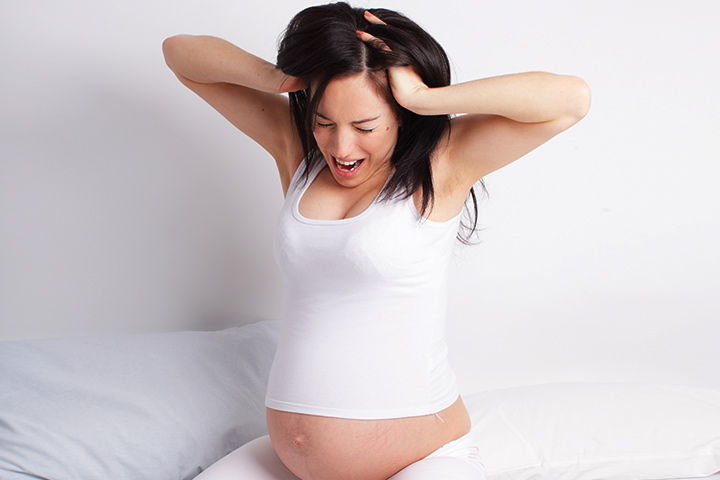
Fertility varies dramatically according to genetic inheritance, but some women’s ability to conceive starts to decline as early as 27. |
Our bodies have remarkable built-in mechanisms which help us to prevent us from conceiving when we are not ready for it. Our body is less likely to ovulate when the food supplies are short, similarly the hypothalamus can can switch off its supply of stimulating hormones when it senses we are under extreme emotional stress or pressure.
A diet rich in fruit, vegetables and meats (including fish) is necessary to promote fertility. Meats, fruit and veggies are all good sources of important minerals like iron and zinc. Zinc is especially important for fertility |
Women with fertility problems are much more likely to have symptoms of depression than fertile women. There are different ways to build a sound emotional health:
- Adopting calming therapies such as relaxation techniques, yoga, massage or acupuncture. A woman under stress is less likely to be interested in sex. In 1986, Dr Harrison and his colleagues at the university of Dublin, Ireland, studied a group of women with unexplained infertility. They all had high level of Prolactin, a hormone associated with stress, which can also prevent ovulation.
- Keeping a journal where you can express your thoughts and emotions.
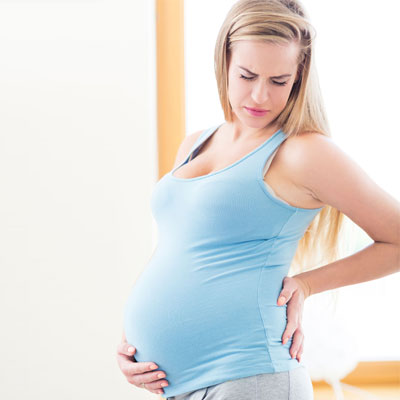
- Try something special with your partner,such as a weekend getaway, to give yourselves a chance to remember what you love about each other.
- Get regular exercise, like walking or a bike ride, which can reduce feelings of stress and depression.
- Seek professional help, including couples therapy or a support group. You can visit an online discussion group at the American Infertility Association Web site.
- Educate yourself about fertility problems. Read as much as you can about fertility problems, and ask your doctor and other couples in your same situation questions. This is especially important when you’re dealing with a fertility problem because the technologies behind thetreatments are complicated and change quickly. “You’ve got to understand what’s happening medically,” says Epstein, “or you won’t be able to make informed choices.”
A good emotional health is the ability to respond to your feelings at appropriate time, facing them rather than fearing them.
Disclaimer
The Content is not intended to be a substitute for professional medical advice, diagnosis, or treatment. Always seek the advice of your physician or other qualified health provider with any questions you may have regarding a medical condition.