fitness news
 ,
,
Font size Women’s Health
Maternal Health Issues in Nicaragua
– Reported, March 14, 2012
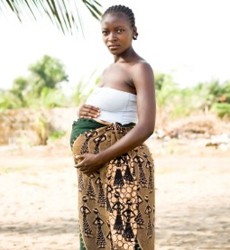 Health needs in Nicaragua are the result of poverty, geographical positioning, and a disorganized healthcare system. A high prevalence of malaria and parasitic diseases, gender inequity, a high youth and child population (39 percent of the population is under 15 years old), periodic natural disasters, and malnutrition all contribute to a portrait of suffering and necessity.
The World Health Organization (WHO) outlined Nicaragua’s most pressing health concerns:
Inequities in Access to Health Services: Only 6.3 percent of the population is insured. Out-of-pocket expenditures constitute a serious barrier for the poor and ethnic minorities, over and above the lack of access in rural areas.
Infant mortality remains high in the poorest regions and is associated with respiratory diseases, neonatal sepsis, congenital malformations, diarrhea, malnutrition, and meningitis.
Maternal mortality remains high in disadvantaged groupsrural and indigenous populations, the poor, adolescents, and women with low levels of schoolingeven though the total fertility rate has fallen. Some 55 percent of women in rural areas give birth at home, while 65 percent are illiterate. Adolescents account for approximately one-third of maternal deaths.
Child Nutrition: Some 22 percent of children living in the most disadvantaged quartile of urban areas suffer from malnutrition versus 0.4 percent in the richest quartile.
Communicable diseases continue to increase. Malaria is concentrated in municipalities with indigenous populations. Tuberculosis is prevalent in the poorest, most inaccessible areas. The incidence of HIV/AIDS is rising, especially among the female population; the ratio of males to females with HIV/AIDS has gone from 5:1 in 1999 to 3:1 in 2005.
Non-communicable diseases have resulted in high morbidity and mortality. The leading causes of mortality are cardiovascular disease, diabetes, external causes, and cancer. Traffic accidents, suicide, drowning, injuries from external causes, and leukemia are the leading causes of death in young people (10-19 years of age). Mental illness, neurosis, alcoholism, general violence, and domestic violence have increased, primarily in urban areas.
Growing environmental degradation of habitats and soils, and the deterioration in production conditions threaten Nicaragua’s health, agricultural, and ecological balance. Similarly, rapid, irresponsible economic development and the indiscriminate felling of trees have left Nicaragua increasingly more vulnerable to natural disasters, such has hurricanes and earthquakes. Hurricane Katrina is a prime example.
Hurricane Mitch devastated Nicaragua’s infrastructure in October 1998, further debilitating the healthcare system and drawing international attention to the country’s plight. The Health Ministry responded by consulting with the WHO to increase patient access, improve coordination of international aid, and analyze Nicaraguan disaster response strategies.
Government spending on health was cut from $58 per head per year in 1988 to $17 per head per year in 1991. The average annual number of consultations per person fell from 1.7 in 1985-90 to 1.2 in 1990-92. As a result, by 1998, 2,959 workers had left the health services1,456 of which were medical staff.
Nicaraguan doctors and nurses receive wages barely over that of doctors and nurses in Malawian extremely poor African country whose per capita income is 80 percent below Nicaragua’s. At the same time, Honduras, a neighboring country whose per capita income is comparable, pays doctors three times the wages of those in Nicaragua. Although Nicaragua receives a large amount of international aid, both fiscally and in the form of volunteers from developed nations, combating the country’s endemic health problems will necessitate more resources put in the right hands.
FSD interns and volunteers contribute enormously to this picture by participating in programs that include assisting nurses and doctors; training youth to be peer health educators; and helping to organize vaccination and education campaigns that address a variety of problems. Participants work at rural clinics, urban hospitals, women’s health centers, and public health organizations that apply funding and human resources directly where they are needed most
Credits: Foundation for Sustainable Development
More Information at: http://www.fsdinternational.org/country/nicaragua/healthissues
For more Nicaragua News Click Here
