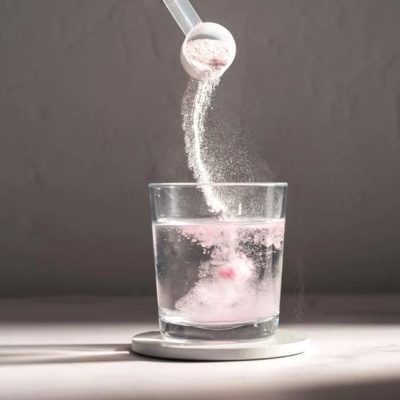
In a 12-week study published in the Journal of the International Society of Sports Nutrition, adults ages 45 to 65 who took creatine increased their lean tissue and strength even if they did not follow a structured exercise program. Participants who combined creatine with regular exercise experienced even larger improvements. The results add to growing research exploring … [Read more...]
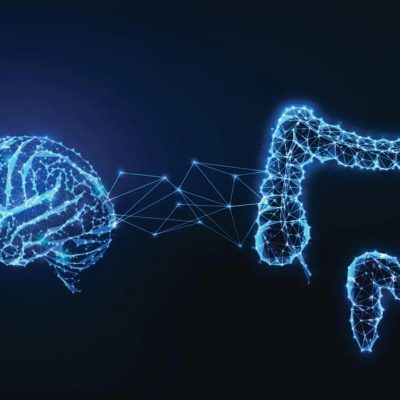
Your Gut May be Making a Molecule That Raises Alzheimer’s Risk
Nearly a decade ago, a research team led by University of Wisconsin-Madison professors Barbara Bendlin and Federico Rey found that the mix of microorganisms living in the intestines differs between people with Alzheimer's disease and healthy individuals. "Since then, we've been trying to figure out how this difference in the gut perhaps leads to changes in the brain," says … [Read more...]
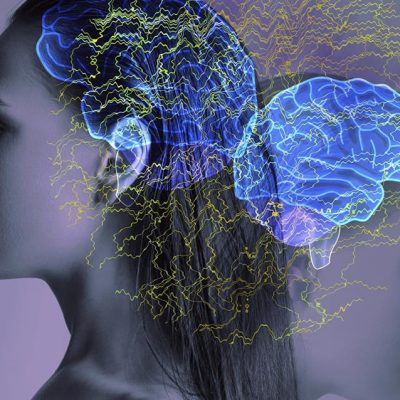
Scientists Discover 5 Hidden Brain Patterns Behind Depression
Depression is a major global health concern. According to the World Health Organization (WHO, 2025), approximately 332 million (5.2%) adults worldwide are affected. In Finland, depression is the leading individual cause of both extended sick leave and disability pensions. Brain Study Reveals Five Distinct Depression Profiles To investigate the biological differences … [Read more...]
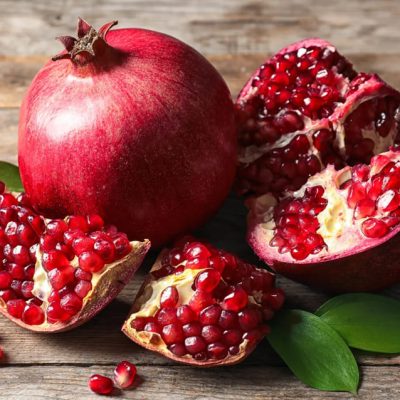
Pomegranate Compound Improves Heart Function by up to 80% in Study
A natural compound the body produces after consuming foods such as pomegranates may improve heart function by as much as 80% in experimental models of a form of heart failure that currently has relatively few treatment options. Researchers at King's College London found that urolithin A, which is produced in the body after eating foods including pomegranates, walnuts and … [Read more...]
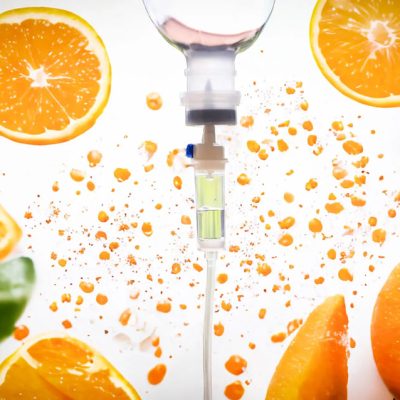
Vitamin C Linked To Fewer Deaths in Blood Disorder Trial
Vitamin C can increase the activity of cellular proteins known as TET enzymes, which help regulate whether certain genes are switched on or off. Reduced TET enzyme activity is a common feature in some blood cancers, prompting researchers to investigate whether vitamin C supplements might benefit people at risk of developing these diseases. The findings come from a phase 2 … [Read more...]
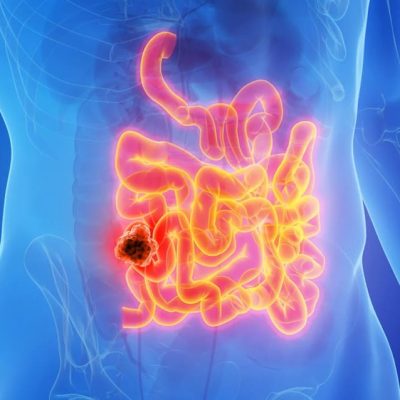
MIT Scientists Find a Hidden Cancer Risk of The Keto Diet
A ketogenic diet is high in fat and very low in carbohydrates. By sharply limiting carbohydrates, it shifts the body away from relying on sugar for energy and toward burning fat instead, an effect that can help some people lose weight. Scientists have increasingly studied whether this metabolic shift influences other areas of health, including cancer. Previous research has … [Read more...]

Loneliness May Steal Nearly 6 Years of Good Health
Loneliness and social isolation are widespread in the United States. According to a 2023 report, about half of U.S. adults experience loneliness, while nearly as many are socially isolated. Despite health consequences that can rival other major risk factors, both problems remain relatively overlooked as urgent public health concerns. Until recently, however, researchers had … [Read more...]
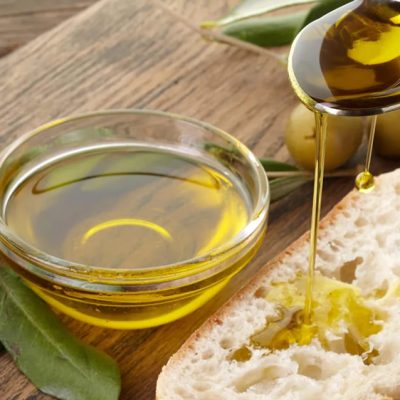
Eating Olive Oil Before Carbs Has a Surprising Effect on Blood Sugar
Keeping blood sugar from rising too high after eating is an important part of diabetes management. Previous clinical studies have shown that eating vegetables, protein, or fat before carbohydrates can help limit these increases. This suggests that changing the sequence of foods during a meal could offer a practical, sustainable way to improve blood sugar control without … [Read more...]

Just 10 Minutes of Daily Exercise Could Unlock Deeper Sleep
The findings suggest that consistency could be an important but often overlooked part of the relationship between exercise and sleep. Rather than saving all their workouts for the weekend, people may benefit from making movement a regular part of their daily routines. The study, published in the Journal of Physical Activity & Health, examined activity and sleep data … [Read more...]

Compound In Blueberries May Help Muscle Cells Burn Excess Fat
Excess fat stored inside skeletal muscle has become an important metabolic health concern. This type of fat buildup can be encouraged by high-fat diets, physical inactivity, and aging. Unlike fat stored under the skin, lipid droplets that accumulate within muscle cells can interfere with normal muscle function and make it harder for the body to efficiently use glucose and fatty … [Read more...]

This Popular Fermented Food May Help Flush Nanoplastics From the Body
The World Institute of Kimchi (President: Hae Choon Chang), a government-funded research institute under the Ministry of Science and ICT, announced that a lactic acid bacterium isolated from kimchi can help promote the removal of nanoplastics from the body by binding to them in the intestine. Nanoplastics are ultrafine plastic particles measuring less than 1 micrometer (μm; … [Read more...]
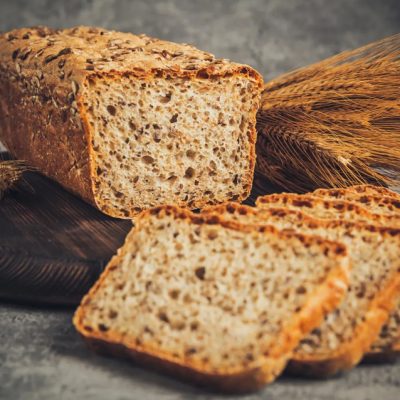
Scientists Find the Whole Grain “Sweet Spot” For Better Heart Health
Eating four to six servings of whole grains each day may improve several major risk factors for cardiovascular disease, according to new research published September 15 in the European Heart Journal. The findings come from a systematic review and meta-analysis that combined evidence from 87 clinical trials examining how whole grain consumption affects cardiovascular risk … [Read more...]
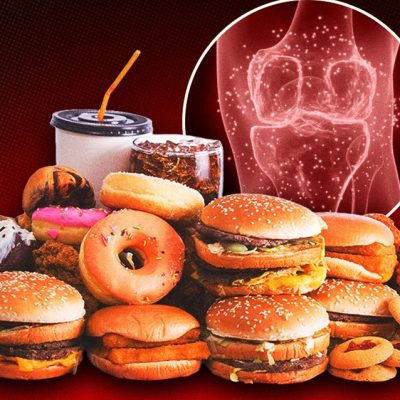
Ultra-Processed Foods Linked to Hidden Muscle Fat that may Threaten Your Knees
A diet high in ultra-processed foods may be linked to unhealthy changes inside thigh muscles, according to new research involving people at risk for knee osteoarthritis. Researchers found that participants who ate more ultra-processed foods tended to have greater amounts of fat within their thigh muscles, even after accounting for calorie and fat intake, physical activity, and … [Read more...]
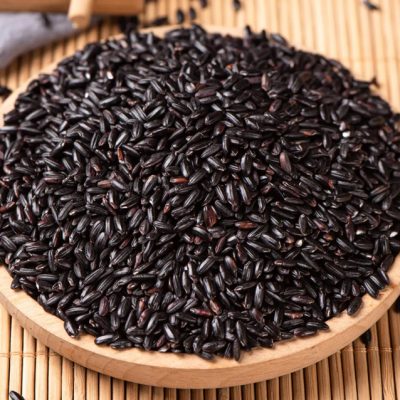
Scientists Find a Hidden Health Advantage in Black and Green Rice
Rice is a dietary staple for more than half of the world's population, but scientists still have much to learn about its nutritional makeup. More than 85% of the rice people eat consists of starch. It also contains protein (around 10%), fat (roughly 2%), vitamins, and trace elements. Because lipids make up such a small share of the grain, they have received far less attention … [Read more...]
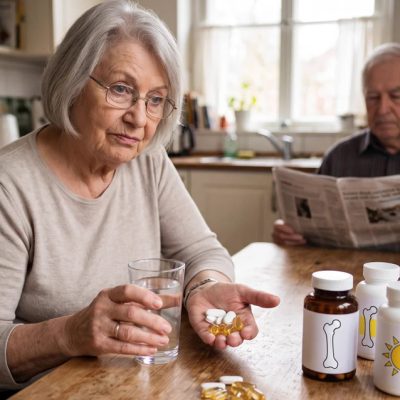
Millions Take Calcium and Vitamin D for Bone Health. A Major Review Finds Little Benefit
Calcium and vitamin D supplements are widely taken to support bone health, especially by older adults. But a large review published in The BMJ suggests that, for most older people, these supplements provide little to no meaningful protection against falls or broken bones. Falls are a major health concern as people age. Nearly one in three adults aged 65 and older falls each … [Read more...]
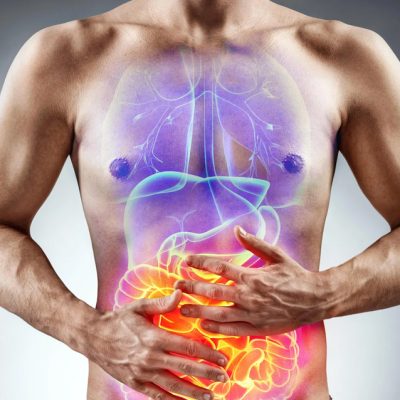
Hidden Gut Defect That May Explain Why IBD Keeps Coming Back
Researchers have identified early molecular warning signs of inflammatory bowel disease that may appear before symptoms and remain active even when patients seem to be doing well. The study, led by WEHI in partnership with the Royal Melbourne Hospital, uncovered a hidden defect in intestinal cells that can make them vulnerable to damage. The problem was still detectable in … [Read more...]
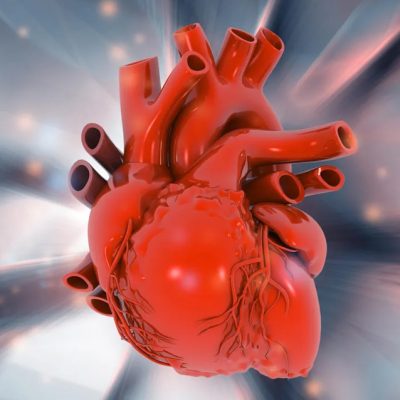
Chronic Stress May be Quietly Reshaping Your Heart
Chronic stress linked to everyday life may leave a lasting physical mark on the heart, potentially damaging cardiovascular health and shortening lifespan. That conclusion comes from a study of nearly half a million adults in the UK, led by researchers at the MRC Laboratory of Medical Sciences (LMS) and Imperial College London. The researchers believe it is the largest study … [Read more...]

GLP-1 Weight Loss and Diabetes Drugs Linked to Nutritional Deficiencies in Nearly 1 in 6 Children
Children taking GLP-1 medications for weight loss, prediabetes, or type 2 diabetes may face an important nutritional concern. A new study published in Childhood Obesity found that nearly one in six young patients (16.8%) were diagnosed with a nutritional deficiency during the first year after starting treatment. Vitamin D deficiency was the most frequently identified … [Read more...]
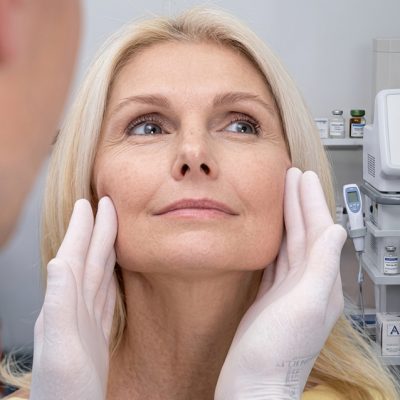
Breakthrough Drug Reverses Skin Aging and Dramatically Speeds Healing
A drug designed to remove aging, damaged cells may help older skin recover from wounds more quickly, according to research published in Aging (Aging-US). The study, titled "Topical ABT-263 treatment reduces aged skin senescence and improves subsequent wound healing," examined a drug called ABT-263 and its effects on wound repair in older mice. Researchers Maria Shvedova, … [Read more...]

More REM Sleep Linked to Lower Risk of 83 Diseases
Sleep quantity and quality is a priority of China’s National Health Commission and a focus in China more broadly. The most recent 2026 China Sleep Health White Paper finds that while the average surveyed Chinese person sleeps 6.97 hours per night, 23 percent sleep less than 6 hours per night. The same report notes that only 26 percent of respondents reported a consistent sleep … [Read more...]
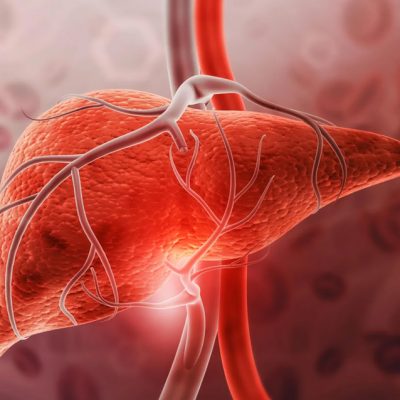
This Weight-Loss Hormone May Protect The Liver Even Without Weight Loss
Researchers at McMaster University have uncovered an unexpected role for a naturally occurring hormone already known for reducing appetite and supporting weight loss. The hormone appears to protect the liver from inflammation through a previously unknown signaling pathway, a finding that could point toward new approaches for treating advanced fatty liver disease. The study, … [Read more...]
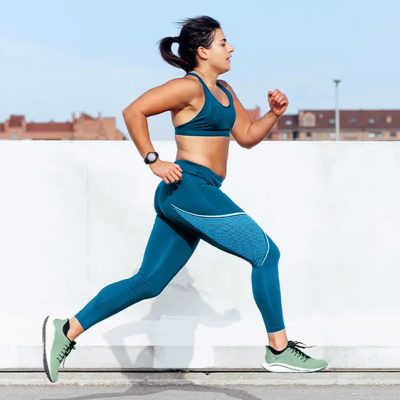
3 Minutes of Sprinting Does Something 90 Minutes of Exercise Does Not
Just three minutes of sprinting may produce a molecular response that looks very different from what happens after 90 minutes of moderate exercise. Researchers at Rockefeller University compared how the body responds to exercise performed at different intensities. They found that six 30-second, all-out sprints changed nearly one-quarter of the proteins measured in the blood … [Read more...]

Exercise May Work Better For Keeping Weight Off Than Losing It
The basic principle of weight loss is straightforward: if you consume fewer calories than you burn, you’ll lose weight. In practice though, this isn’t usually so easy or simple. Alongside counting calories or eating smaller portions, many people add exercise into the equation when trying to lose weight to help tip the balance. Yet research shows that exercise may only have … [Read more...]
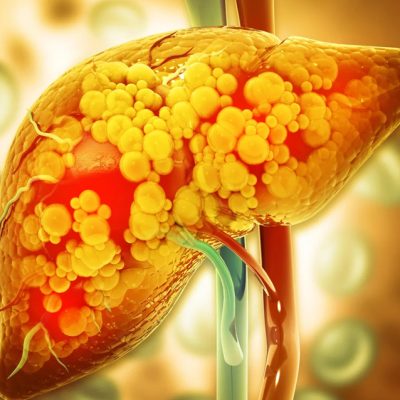
Keto Diet Cut Liver Fat By 67% In a Clinical Trial
A very low-carbohydrate, high-fat diet may provide stronger metabolic benefits for people with obesity than either a Mediterranean diet or a low-fat diet, according to a clinical trial published August 27 in the Cell Press journal Cell Metabolism. After four to five months on a ketogenic (or "Keto") diet, about half of the participants with obesity and prediabetes no longer met … [Read more...]
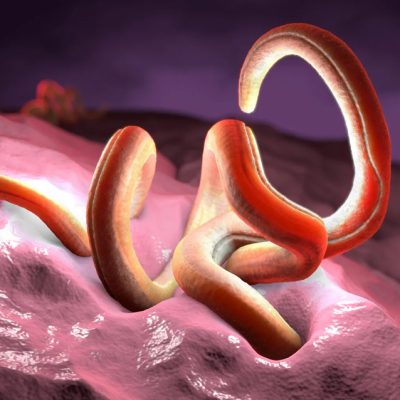
Scientists Discover How Gut Bacteria “Train” The Intestine To Fight Inflammation
Yingzi Cong, PhD, the Stanley Gradowski Professor of Gastroenterology and a professor of Microbiology-Immunology and of Pathology, was senior and co-corresponding author of the study. The researchers say the results support the idea that beneficial compounds made by gut microbes can effectively "train" the intestinal lining, helping it preserve immune tolerance over … [Read more...]

HEPA Air Purifiers May Boost Brain Function After Just One Month
Using an in-home HEPA purifier for one month spurs a small but significant improvement in brain function in adults age 40 and older. That’s the result of a new study we co-authored in the journal Scientific Reports. HEPA purifiers – HEPA stands for high efficiency particulate air – remove particulate matter from the air. Exposure to particulate matter has been connected to … [Read more...]
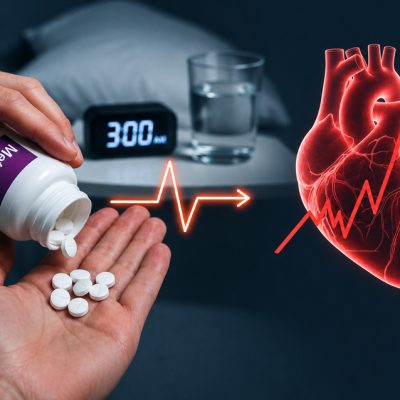
Long-Term Melatonin Use Linked to 90% Higher Heart Failure Risk
Long-term use of melatonin, a widely used sleep supplement, was linked to a higher risk of heart failure, hospitalization for heart failure, and death from any cause among people with chronic insomnia, according to preliminary research presented at the American Heart Association's Scientific Sessions 2025. The findings do not prove that melatonin itself caused the increased … [Read more...]
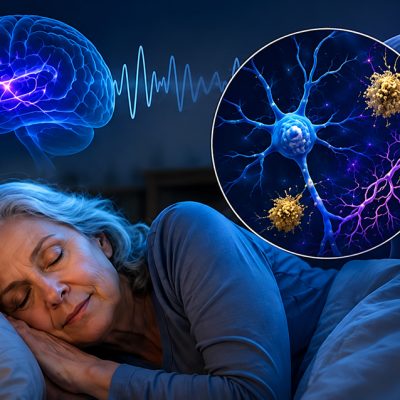
Your Sleep May be Hiding an Early Clue to Alzheimer’s
Could subtle changes during sleep reveal vulnerability to Alzheimer's disease years before memory problems become noticeable? Researchers at ULiège, supported by the Stop Alzheimer's Foundation, are investigating whether the sleeping brain may contain early clues. Scientists from the University of Liège (GIGA Neurosciences) examined sleep patterns in more than 500 healthy … [Read more...]

This Once-A-Week Workout May Help Cut Belly Fat, Study Shows
Researchers at the School of Public Health at the LKS Faculty of Medicine, the University of Hong Kong (HKUMed), have found that completing brisk interval walking once per week can reduce body fat and improve cardiorespiratory fitness in adults with central obesity. The benefits were comparable to those seen in participants who exercised three times per week, which is the … [Read more...]

Your AI Calorie-Tracking App May Be off by 345 Calories
AI-powered calorie tracking apps can estimate a meal's nutritional content from a single photograph. The technology offers a fast and convenient alternative to manually entering every food and portion, but new research suggests the results may be considerably lower than what is actually on the plate. In a test of four photo-based apps, researchers found that calorie and fat … [Read more...]
- 1
- 2
- 3
- …
- 428
- Next Page »
