fitness news
 ,
,
Font size Diabetes
Too much animal protein linked to increased diabetes risk
– Reported April 17, 2014
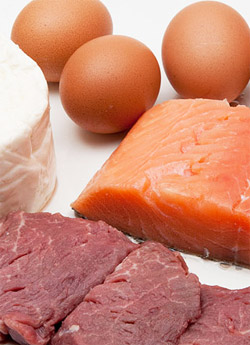 People who eat the most protein, especially from animal sources, are more likely to be diagnosed with type 2 diabetes, according to a study of European adults.
The new study did not randomly assign participants to eat different amounts of protein, which would have yielded the strongest evidence. Instead, it compared the diets of people who went on to develop diabetes and those who did not get the disease.
But the findings do align with other studies.
“Several previous studies have found that higher intake of total protein, especially animal protein, are associated with long-term risk of developing diabetes,” said Dr. Frank Hu, from the Harvard School of Public Health in Boston. Hu, who was not involved in the new study, researches prevention of diabetes through diet and lifestyle.
“Substantial amounts of animal protein come from red meat and processed meat, which have been consistently associated with increased risk of diabetes,” he told Reuters Health in an email.
For the new report, researchers examined data from a large previous study of adults in eight European countries spanning 12 years. The study collected data on participants’ diet, physical activity, height, weight and waist circumference, then followed them to see who developed diabetes.
A team of researchers led by Monique van Nielen of Wageningen University in the Netherlands selected 11,000 people who developed type 2 diabetes from the data and 15,000 people without diabetes for comparison.
Overall, the adults in the study commonly ate about 90 grams of protein per day. Those who ate more tended to have a higher weight-to-height ratio and to eat more fiber and cholesterol than people who ate less protein.
After accounting for other diabetes risk factors, every additional 10 grams of protein people consumed each day was tied to a six percent higher chance that they would develop diabetes.
Dividing participants into five groups based on how much protein they ate, the researchers found those who ate the most, or around 111 grams per day, were 17 percent more likely to develop diabetes than those who ate the least, or around 72 grams per day.
Specifically, those who ate the most animal protein, or 78 grams per day, were 22 percent more likely to be diagnosed with diabetes than those who ate the least, around 36 grams per day, according to results published in Diabetes Care.
That’s only a modest increase on an individual level, Hu said.
People who ate the most protein got about 15 percent of their calories from red meat, processed meat, poultry, fish and dairy, which appears to be too much, Hu said.
“More importantly, higher intake of animal protein often comes along with other undesirable nutrients such as saturated fat, cholesterol and sodium,” he said.
The association between animal protein and diabetes risk appeared to be strongest among obese women.
Plant protein, on the other hand, was not linked to diabetes.
“In other studies, plant protein sources such as nuts, legumes and whole grains have been associated with lower risk of diabetes,” Hu said. “Therefore, replacing red meat and processed meat with plant sources of protein is important for diabetes prevention.”
Generally people associate high-fat and high-carbohydrate diets with diabetes risk, but this study underscores that protein is an important nutrient to consider as well, Paolo Magni said. Magni, from the Institute of Endocrinology at the University of Milan in Italy, was not involved in the new study.
“As a general rule, I would suggest to eat normal portions of red meat not more than two times per week, poultry and fish three to four times per week, skimmed milk or yogurt maybe not every day,” Magni told Reuters Health in an email.
Cheese, preserved meats and cold cuts should be minimized, he said.
“Pay attention to both quantity and food sources of protein,” Hu said. It’s probably a good idea for people with a family history of diabetes to replace at least some red meat with nuts, legumes or whole grains, he said.
