Women Fitness

Women Fitness is an exhaustive resource on exercise for women, workouts for women, strength training, Zumba, HIIT, weight loss, workout, fitness tips, yoga, pregnancy.

  • 150 countries
  • Site Map
  • Disclaimer
  • Privacy Policy
  • Health & Fitness
  • Celebrities
  • News
  • Digital Magazine
  • Shopping
  • Print Magazine
    • Follow
    • Subscribe

Nutrition & Wellness

European definition of ‘whole grain’ published

March 11, 2016 By Namita Nayyar (Editor in chief)

European-definition

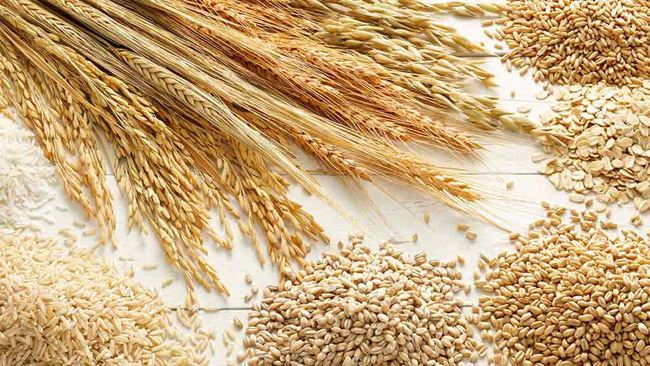
The most comprehensive definition of whole grain termed to date has been published this week in the journal Food and Nutrition Research. The effort to create the definition, which is intended to assist in the production and labeling of foods rich in whole grains, was born of the HEALTHGRAIN EU project, the largest project ever focusing on cereals and health; and was led by a multi-disciplinary team from some of Europe’s leading universities and food research institutes.

Historically, there’s been no complete, legally endorsed definition of whole grain flour and products,” explains Jan-Willem van der Kamp, corresponding author of the paper and Senior Officer of International Projects at TNO Food and Nutrition. “Most supermarkets today are stocked with foods that originate from many different countries. When you read ‘25% whole grain flour’ on one product label; the same claim on a different label could mean something quite different nutritionally. If use of this definition is adopted broadly, this inconsistency eventually would cease.”

The HEALTHGRAIN definition is the next step in reaching a precise, common understanding of what constitutes whole grain in food products — from breads to pasta to breakfast cereals — regardless of where they originate, adds van der Kamp.

Almost universally, the term whole grain indicates inclusion of all three components of the cereal grain kernel — endosperm (this is the largest part of the grain and provides mostly starch), germ (comprises only a small part of the grain; this is where sprouting begins) and bran (the grain’s protective outer layer; it is rich in dietary fiber). Variances, however, arise around the particular grains considered “whole,” precise combination of the three components once processed, and processing practices which can affect the resulting flour’s nutritional value. The HEALTHGRAIN definition addresses all three of these issues detailing a permitted list of grains and “pseudo grains” (such as quinoa and amaranth) and processing guidelines that take into account current milling practices.

The need for developing a more comprehensive, detailed whole grain definition was identified during the course of the HEALTHGRAIN EU project, an initiative intended to increase the use of whole grains and their health protecting constituents in food products for improved nutrition and health benefits. The expansive project has involved everything from research to better understand specific health benefits of whole grains to exploration of new ways to get products high in their healthy compounds onto the market.

The HEALTHGRAIN definition was developed by a committee led by van der Kamp, representatives of the Swedish Nutrition Foundation; DPR Nutrition Ltd., UK; and VTT and University of Eastern Finland; in cooperation with a multidisciplinary group of nutrition scientists, cereal scientists and technologists, plant breeders, flour milling specialists and experts in regulatory affairs from throughout Europe.

News

  • Alternative Health
  • Arthritis
  • Asthma & Allergies
  • Breast Cancer
  • Cancer
  • Cardiovascular Health
  • Diabetes
  • Fertility & Pregnancy
  • Nutrition & Wellness
  • Orthopedics
  • Sports & Medicine
  • Weight Management
  • Women Beauty
  • Women Health
  • Other

Digital Magazine Sign-Up

Digital Magazine Available On

Available On Readly App

Available On Magzter

Advertise With Us


  • facebook
  • Twitter
  • Linkedin
  • Pinterest
  • Instagram

JOIN WF

  • Advertise With Us
  • Digital Magazine

Absolutely Free

  • WF Categories
  • Low Calorie Recipes
  • Calorie Catch
  • WF Entertainment

All About Us

  • About Namita
  • Team
  • Testimonials
  • Contact Us

© by Womenfitness.net 1999–2026. All rights reserved.

All Categories

  • What’s New
  • Weight Loss
    • Obesity
    • Low Calorie Recipes
    • Real Weight Loss Stories
    • Daily Tip
    • Fitness Analysis
    • Motivation of the Day
  • Exercise
    • Body building
    • Fitness for Models
    • Target Abs
    • Women At 40
    • Motivation Point
  • Healthy Eating
    • Calorie Catch
    • Disease Management
    • Good health
    • Herbs
  • Beauty & Fashion
    • Eye Care
    • Hair Care
    • Hand & Foot Care
    • Make Up
    • Skin Care
    • Beauty Tip
  • Celebrities
    • Actresses
    • Celebrities & Fitness Trainers
    • Sportswomen
    • Celebrity List
  • Pregnancy
    • Fertility & Conception
    • Health During Pregnancy
    • Getting Back to Normal
    • Problems in Pregnancy
    • Sexual Health
  • Yoga
    • Beauty & Yoga
    • Yoga during Pregnancy
    • Meditation Point
    • The Yogic Diet
    • Weight loss Yoga
    • Yog – Asanas
    • Yoga & Disease Management
    • Yoga in Action
  • Contact
    • About Namita
    • Our Team
    • Advertize with Us
    • FAQ
    • Message Board
    • Contact Us
  • Shopping
    • Book & Mag. Store
    • Fitness Apparels
    • Fitness Music
    • Fitness Dvd’s
    • Maternity Store
    • Sports & Outdoors
    • Health Care Store
    • Natural Health Foods
    • Herbs & Spices
    • Beauty Shop
    • Jewelry Store
    • Flowers
    • Health Care Equip.
    • Diet & Nutrition
    • Health Mobile Apps
    • Sex Lubes Store
  • Fitness Components
    • Flexibility
    • Cardiovascular
    • Weight Management
    • Nutrition
    • Strength Training
  • More
    • Testimonials
    • WF Links
    • Privacy Policy
    • Site Map
    • Disclaimer
    • News
    • Herbs
    • Top 10
    • Recipes
    • Fitness E-book

Follow

  • facebook
  • Twitter
  • Linkedin
  • Pinterest
  • Instagram
Go to mobile version