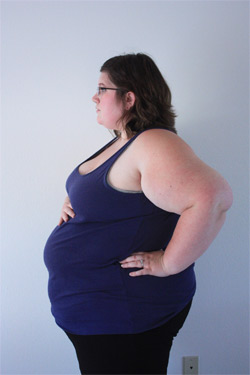
A study has established that obesity and mood disorders increase the risk of peripartum cardiomyopathy (PPCM) during childbirth. It was revealed in the research presented at Heart Failure 2015 by Dr David P. Kao, assistant professor at the University of Colorado in Denver, US. The study in nearly 7.5 million pregnant women discovered for the first time that the presence of anxiety, depression or bipolar disorder doubled the risk of PPCM while obesity led to a 1.7-fold increase.
Women with common pregnancy-related symptoms such as shortness of breath and leg swelling plus five PPCM risk factors could benefit from screening.
Heart Failure 2015 is the main annual meeting of the Heart Failure Association (HFA) of the European Society of Cardiology (ESC).
Dr Kao said: “PPCM is a type of heart failure where the heart becomes enlarged and weakened. It is a dilated cardiomyopathy that arises within 1 month prior to or 5 months following childbirth. Up to 70% of women recover fully with normal or near-normal heart function but as many as 10-15% have persistent heart failure, sometimes requiring left ventricular assist device or heart transplantation. PPCM at the time of giving birth is associated with a four to five times higher rate of stillbirth.”
Dr Kao previously published a study in 4 million delivering mothers which identified age 30 years or older, African ancestry, hypertension, anemia, substance abuse, asthma, autoimmune disease, multiple gestations (e.g. twins) and preeclampsia/eclampsia as risk factors for PPCM at the time of delivery. The current study included an additional 3.5 million women with the aim of validating the risk factors and detecting others.
Dr Kao said: “Because of PPCM’s potentially devastating effects for mother and child, identifying patients at higher risk may allow us to follow them more carefully during pregnancy using indicators of worsening heart function like echocardiography, BNP, or troponin. If there were signs that the mother’s heart was weakening, we could potentially initiate treatment with beta blockers and ACE inhibitors sooner to slow or prevent the development of PPCM, which would likely result in better outcomes.”
The study used patient records from all hospitals in California, New Jersey, Vermont, and Colorado for years varying from 2007-2013. The researchers identified nearly 3.5 million delivering mothers of whom 486 had PPCM at the time of childbirth. They also included the 4 million delivering mothers (535 with PPCM) from the previous study for a total of 7.5 million women.
The researchers discovered for the first time that obesity and mood disorders (anxiety, depression and bipolar disorder) were strongly associated with PPCM during childbirth. Most of the risk factors identified in the previous study were once against significantly associated with PPCM. Obesity was associated with a 1.7-fold elevated risk of PPCM while mood disorders nearly doubled the risk even when controlled for the previously identified risk factors.
Dr Kao said: “Obesity is a well known risk factor for heart failure including dilated cardiomyopathy via altered cardiac response to stress, abnormal thickening of the heart wall, abnormal use of energy by the heart, and several other factors. It is possible that the combination of obesity and pregnancy may put excessive stress on a heart that is less able to respond to stress and recovery from injury.”
He added: “Mood disorders, particularly depression, are associated with increased risk of cardiovascular disease. Although there are several speculated mechanisms such as excess stress hormones (cortisol) or catecholamines (e.g. adrenaline), these have not been proven. Mood disorders may also be linked with behaviour changes in diet, sleep, activity and prenatal care which could influence cardiac health.”
Dr Kao continued: “Identifying high risk patients might provide an opportunity for earlier screening and potential treatment to slow progression and increase likelihood of recovery. For example, patients with relatively common pregnancy-related symptoms such as shortness of breath or leg swelling who also have five PPCM risk factors such as obesity, depression, age over 30, African ancestry and hypertension could be screened.”
He concluded: “We do not know if PPCM can be prevented, and scientists around the world are investigating therapies. Because almost all potential treatments may have some risk to the unborn child, treatment must only be initiated with convincing evidence of benefit to the mother and child. Therefore, our focus is on identifying very high risk populations to follow carefully with more dedicated testing. The study is done by European Society of Cardiology (ESC).
.
