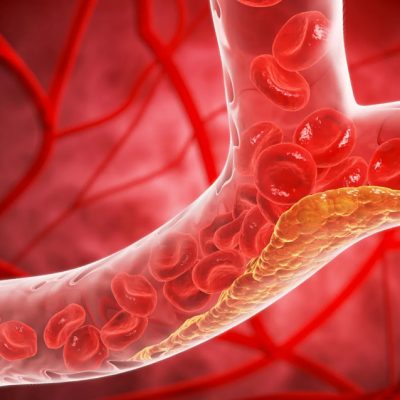
People with type 2 diabetes face a higher likelihood of heart attacks and strokes, and that risk increases with each passing year of the disease. Earlier research has shown that red blood cells can influence how well blood vessels function in diabetes. The new study adds an important insight by showing that the length of time someone has diabetes strongly affects when these … [Read more...]

The Bottled Water Everyone Trusts may be the Riskiest
A new study led by Washington State University researchers in Guatemala found that drinking water sources widely believed to be clean and safe often contain harmful bacteria. The research focused on Guatemala's Western Highlands, where scientists compared what people think about their drinking water with what laboratory testing actually revealed. Many residents viewed … [Read more...]

A Common Pain Killer may be Quietly Changing Cancer Risk
As research continues to reveal how inflammation contributes to cancer development, ibuprofen has drawn growing attention. Its long-standing role as an anti-inflammatory drug has raised interest in whether a common over-the-counter medicine could offer unexpected protection against disease. How Ibuprofen Works in the Body Ibuprofen belongs to the non-steroidal … [Read more...]

Tea May Strengthen Bones in Older Women While Heavy Coffee Weakens Them
A recent investigation from Flinders University sheds new light on how two widely consumed drinks, coffee and tea, could play a role in bone health for women later in life. The study, published in the journal Nutrients, monitored nearly 10,000 women aged 65 and older for ten years to examine whether regularly drinking coffee or tea was connected to changes in bone mineral … [Read more...]

Harvard Gut Discovery Could Change How We Treat Obesity And Diabetes
A research project supported by FAPESP and carried out at Harvard University in the United States has identified a set of metabolites that move from the intestine to the liver and then on to the heart, which distributes them throughout the body. These circulating compounds appear to influence how metabolic pathways function within the liver and how sensitive the body is to … [Read more...]

New Study Shows Some Plant-Based Diets May Raise Heart Disease Risk
Previous studies have indicated that eating large amounts of ultra-processed foods is linked with a higher likelihood of developing cardiovascular diseases. Other research has found that diets centered on plant-based foods can lower this risk when those foods offer balanced nutrition and are consumed in appropriate proportions. To explore how nutrition relates to … [Read more...]

Anxiety and Insomnia Linked to Sharp Drops in Key Immune Cells
Natural killer (NK) cells act as key defenders within the immune system. They help control infections by targeting invading microbes, foreign materials, and damaged or infected cells early on, which limits their ability to spread. NK cells travel through the bloodstream (circulatory) or remain in specific tissues and organs. When NK cell numbers drop too low, the immune system … [Read more...]

Even Moderate Drinking Carries a Bigger Cancer Risk Than You Think
As Americans prepare for the holiday season, new research serves as a reminder to think carefully about the long-term health impact of raising a celebratory glass. Alcohol is already recognized as a cause of several cancers, even when consumed at moderate levels. Despite this, drinking remains common, and many uncertainties remain about how both how often people drink and how … [Read more...]

This Tiny Protein Helps Control How Hungry You Feel
New research suggests that a protein the body relies on to manage appetite and energy levels cannot function on its own. Instead, it depends on a partner protein to work properly. This discovery could help scientists better understand how genetic factors contribute to obesity. In a study published in Science Signaling on December 16, an international research team led by … [Read more...]

Helping Others For a Few Hours a Week May Slow Brain Aging
Strong social ties are often linked to better health, and new research adds a brain benefit to that list. Researchers from The University of Texas at Austin and University of Massachusetts Boston report that regularly helping people outside your household can noticeably slow cognitive decline in middle-age and older adults. In a study that followed more than 30,000 adults in … [Read more...]

Walking May be the Brain’s best Defense Against Alzheimer’s
Adding even a modest number of steps to your daily routine may help delay the advancement of Alzheimer's disease, especially among those most vulnerable to it, according to new research. In a study published in Nature Medicine, scientists from Mass General Brigham found that greater physical activity was linked to slower cognitive decline in older adults who had higher levels … [Read more...]

Blocking One Enzyme may Break the Link Between Alcohol and Liver Disease
Scientists have identified an unexpected link between the way the body processes sugar and the development of alcohol addiction. This connection also points to a promising therapeutic target for treating alcohol-associated liver disease (ALD) and alcohol use disorder (AUD). A study published in Nature Metabolism by researchers at the University of Colorado Anschutz reports … [Read more...]

Running on Little Sleep? You’re Twice as Likely to Get Hurt
If you're one of the 620 million people who regularly go for a run, you probably like to get an early start. But if you haven't slept well the night before, you could be putting yourself at greater risk of injury. A new study led by Professor Jan de Jonge, a work and sports psychologist at Eindhoven University of Technology in the Netherlands (and Adjunct Professor at the … [Read more...]

Rare Desert Berry Could Transform Diabetes Treatment
In what could mark a major step forward for diabetes care, scientists have found extraordinary health benefits in a little-known desert plant. The fruit of Nitraria roborowskii Kom, long used in traditional medicine, showed strong potential to fight insulin resistance and restore healthy metabolism in diabetic mice. The plant extract not only helped stabilize blood sugar but … [Read more...]

The Bright Colors in Your Food May be Harming Your Kids
Nearly one in five packaged foods and drinks in the United States contain synthetic food dyes, according to new research that analyzed 39,763 grocery store products. The study was recently published in the Journal of the Academy of Nutrition and Dietetics. Synthetic dyes are often added to make foods look more appealing, especially products aimed at children, but a growing … [Read more...]

Ultra-Processed Foods Quietly Push Young Adults Toward Prediabetes
More than half of the calories people consume in the United States come from ultra-processed foods (UPFs), which include items such as fast food and packaged snacks that tend to contain large amounts of sodium, added sugars and unhealthy fats. While studies in adults have firmly connected these foods to type 2 diabetes and other chronic conditions, far less is known about how … [Read more...]
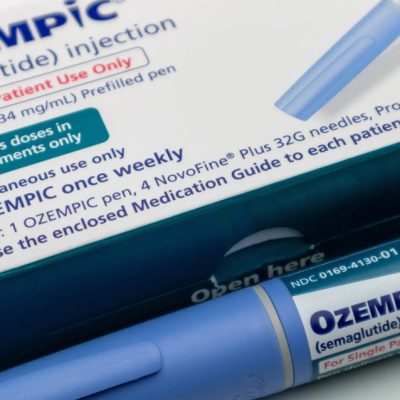
GLP-1 Drugs Like Ozempic Deliver Huge Weight Loss but New Research Reveals a Hidden Catch
Three new Cochrane reviews report that GLP-1 drugs can lead to meaningful weight loss, although the strong involvement of pharmaceutical companies in many studies raises concerns. The World Health Organization (WHO) requested these reviews to help shape upcoming recommendations on using these medications for obesity treatment. The analyses evaluated three GLP-1 receptor … [Read more...]

Scientists Discover Metformin May Block Key Exercise Benefits
A Rutgers-led team reported in The Journal of Clinical Endocrinology & Metabolism that metformin appeared to weaken several important benefits normally gained from exercise. These include improvements in blood vessel function, overall fitness and the body's ability to control blood sugar. Since 2006, medical guidance has encouraged people with elevated blood sugar to … [Read more...]
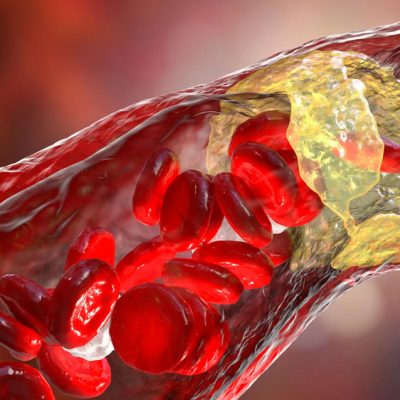
Everyday Microplastics could be Fueling Heart Disease
A research team at the University of California, Riverside has found that routine exposure to microplastics -- tiny pieces released from packaging, fabrics, and common consumer plastics -- may speed up the formation of atherosclerosis, the artery-narrowing condition associated with heart attacks and strokes. The effect appeared only in male mice, offering new insight into how … [Read more...]

Wegovy in a Pill? Massive Weight Loss Results Revealed
Novo Nordisk's new oral formulation of semaglutide 25 mg (Wegovy in a pill) produced a 16.6% average weight loss among adults with obesity, according to results from a newly published clinical study. The once-daily pill, developed as an alternative to the injectable version of Wegovy, helped one in three participants lose 20% or more of their body weight. In addition to … [Read more...]

Bananas Could be Ruining Your Smoothie’s Health Benefits
Smoothies are a quick and delicious way to load up on fruits and vegetables, but some ingredient combinations may not be as healthy as they seem. Scientists from the University of California, Davis, discovered that the types of fruits blended together can change how much nutrition your body actually absorbs. Their research, published in the Royal Society of Chemistry's … [Read more...]

Sunflowers May be The Future of “Vegan Meat”
Researchers at the Institute of Food Technology (ITAL) and the University of Campinas (UNICAMP) in São Paulo, Brazil, working with colleagues from the Fraunhofer IVV Institute in Germany, have developed a new type of food made from sunflower flour that can serve as a substitute for meat. The process begins by extracting oil from sunflower seeds. To make the resulting flour … [Read more...]

Tai chi, Yoga, and Jogging Rival Pills for Beating Insomnia
Yoga, Tai Chi, walking and jogging may be the best forms of exercise to improve sleep quality and ease insomnia, suggest the findings of a comparative pooled data analysis published in the online journal BMJ Evidence Based Medicine. The findings back the use of exercise as a primary treatment strategy for poor sleep patterns, say the researchers. Characterized by … [Read more...]

Your Type of Depression Could Shape Your Body’s Future Health
Scientists have long known that depression increases the risk of developing metabolic disorders. Now, new research reveals that specific forms of depression are tied to different cardiometabolic diseases. The findings were presented at the ECNP Congress in Amsterdam. Over a seven-year period, researchers followed 5,794 adults who participated in the Netherlands … [Read more...]

Tiny Molecules Could Stop Glaucoma Before it Blinds
Glaucoma occurs when retinal ganglion cells (RGCs) and their axons become damaged. These delicate nerve cells, located at the back of the eye, carry visual information to the brain. Once they deteriorate, vision loss begins. Current therapies mainly reduce pressure inside the eye, but none effectively protect RGCs from harm. This gap in treatment highlights the urgent need for … [Read more...]

Scientists Uncover Meditation’s Hidden Side Effects
Meditation is now widely promoted as a tool for everything from reducing stress to improving productivity. It has become a go-to approach for supporting mental well-being across many settings. However, when a practice like meditation is used in medical or therapeutic contexts, important scientific questions arise. How much practice is needed to produce benefits? And just … [Read more...]

Most Americans don’t know Alcohol can Cause Cancer
A new study shows that more than half of Americans underestimate or misunderstand the cancer risks linked to drinking alcohol. Credit: Shutterstock Key Findings Most Americans don't realize the cancer risks of alcohol. More than half of U.S. adults either underestimate or misunderstand how drinking increases cancer risk. Regular drinkers are the least aware. People who … [Read more...]

Too Much Screen Time May be Hurting Kid’s Hearts
Research Highlights More time using electronic devices or watching TV among children and young adults was linked with higher cardiometabolic disease risk, including high blood pressure, high cholesterol and insulin resistance, based on data from more than 1,000 participants in Denmark. The association between screen time and cardiometabolic risks was strongest in youth … [Read more...]

Your Bedroom Glow Might be Quietly Damaging Your Heart
Exposure to artificial light at night appears to trigger stress in the brain and inflammation in the arteries, raising heart disease risk. Researchers say even modest light increases could have long-term cardiovascular consequences. Nighttime Light and Heart Health A preliminary analysis to be presented at the American Heart Association's Scientific Sessions 2025 found … [Read more...]
Being Too Thin can be Deadlier Than being Overweight, Danish study reveals
It is possible to be "fat but fit," new research being presented at the annual meeting of the European Association for the Study of Diabetes (EASD) in Vienna, Austria (September 15-19) suggests. The study of tens of thousands of people in Denmark found that those with a BMI in the overweight category - and even some of those living with obesity - were no more likely to die … [Read more...]
