
Eating fruit may reduce the effects of air pollution on lung function, according to research presented at the European Respiratory Society Congress in Amsterdam, the Netherlands. The study was presented by Pimpika Kaewsri, a PhD student from the Centre for Environmental Health and Sustainability at the University of Leicester, UK. She explains: "Over 90% of the global … [Read more...]
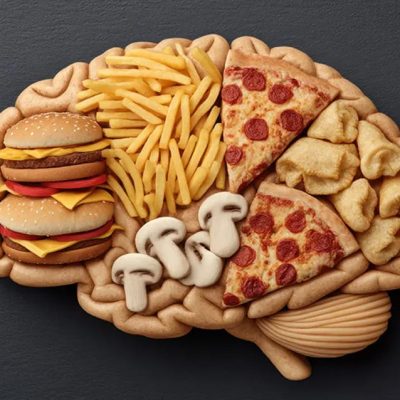
Junk Food can Scramble Memory in Just 4 Days
A new study from UNC School of Medicine researchers, published in Neuron, reveals a unique look at how junk food rewires the brain's memory hub - leading to risk of cognitive dysfunction. This new research opens the door to early interventions that can prevent even long-term memory loss associated with obesity. Led by UNC School of Medicine's Juan Song, PhD, principal … [Read more...]
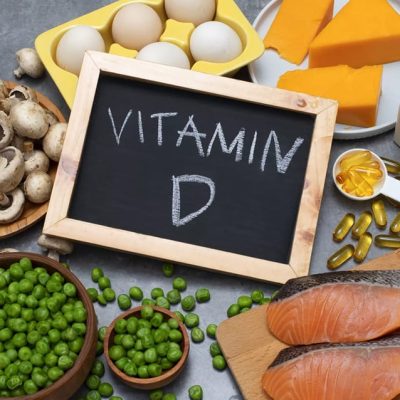
The Vitamin D Mistake Weakening Your Immunity
Taking vitamin D2 might lower the body's levels of the more efficient form of vitamin D, vitamin D3, according to new research from the University of Surrey, John Innes Centre and Quadram Institute Bioscience. Many people take vitamin D supplements to support their bone and immune health and meet the UK government recommendation of 10 micrograms (µg) each day, especially during … [Read more...]

Why Ultra-Processed Foods aren’t the Real Villain Behind Overeating
Ultra-processed foods (UPFs) have become public enemy number one in nutrition debates. From dementia to obesity and an epidemic of "food addiction," these factory-made products, including crisps, ready meals, fizzy drinks and packaged snacks, are blamed for a wide range of modern health problems. Some experts argue that they're "specifically formulated and aggressively marketed … [Read more...]

AI-Powered Smart Bandage Heals Wounds 25% Faster
As a wound heals, it goes through several stages: clotting to stop bleeding, immune system response, scabbing, and scarring. A wearable device called "a-Heal," designed by engineers at the University of California, Santa Cruz, aims to optimize each stage of the process. The system uses a tiny camera and AI to detect the stage of healing and deliver a treatment in the form … [Read more...]
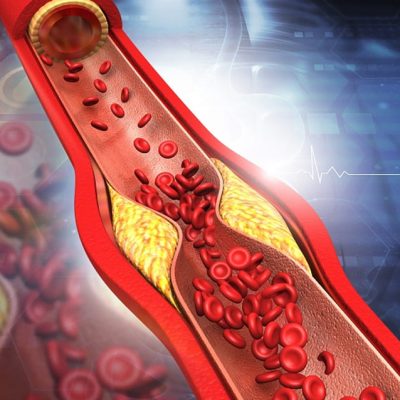
Blocked Blood Flow Makes Cancer Grow Faster
Cutting off blood flow can prematurely age the bone marrow, weakening the immune system's ability to fight cancer, according to a new study from NYU Langone Health. Published online August 19 in JACC-CardioOncology, the study showed that peripheral ischemia-restricted blood flow in the arteries in the legs-caused breast tumors in mice to grow at double the rate seen in mice … [Read more...]

Scientists Finally Explain The Real Reason Pregnant Women Get Morning Sickness
UCLA researchers have uncovered a link between "morning sickness" symptoms and the body's natural, but complex, inflammatory response to biological and bodily changes during pregnancy. According to the National Institutes of Health, up to 80% of early-stage pregnant mothers experience some nausea, vomiting and aversions to certain foods and smells. While uncomfortable, these … [Read more...]

Scientists Reveal How Breakfast Timing may Predict how long you live
As we age, what and how much we eat tends to change. However, how meal timing relates to our health remains less understood. Researchers at Mass General Brigham and their collaborators studied changes to meal timing in older adults and discovered people experience gradual shifts in when they eat meals as they age. They also found characteristics that may contribute to meal … [Read more...]

The Fat You can’t See may be Damaging Your Heart, Even if you Exercise
Excessive amounts of visceral fat -- the hidden fat surrounding organs -- is linked with faster aging of the heart, a new study has found. Aging is the biggest risk factor for heart disease, but why some people age faster than others isn't fully understood. The scientists leading the research say that visceral body fat could play an important role in accelerating aging of … [Read more...]

One Daily Habit Could Save You From Chronic Back Pain
A major study has investigated the relationship between walking and the risk of developing chronic lower back problems. The findings could save the healthcare system significant amounts of money while also alleviating many people's back pain - if we just follow the simple advice provided. The results are clear: People who walk a lot have less back pain than people who do not … [Read more...]

Ozempic, Wegovy and Mounjaro Makes Food Taste Sweeter and Saltier, and that may Quiet Cravings
New research being presented at the Annual Meeting of the European Association for the Study of Diabetes (EASD) in Vienna, Austria (September 15-19) shows that some individuals who are taking Ozempic, Wegovy or Mounjaro find that foods taste sweeter or saltier than before. About one in five of those participating in the real-word study, published in the journal Diabetes, … [Read more...]

Scientists Test an Anti-Aging Cream That Actually Works
Against the backdrop of high market demand for effective anti-ageing cosmetics, a team of Chinese researchers assessed the clinical effectiveness of a 0.1 % pterostilbene-containing skincare emulsion against a control emulsion over 28 days with 31 participants. The study employed a double-blind, split-face design, comparing the left and right sides of the face and using … [Read more...]

Being Too Thin can be Deadlier than being Overweight, Danish study reveals
It is possible to be "fat but fit," new research being presented at the annual meeting of the European Association for the Study of Diabetes (EASD) in Vienna, Austria (September 15-19) suggests. The study of tens of thousands of people in Denmark found that those with a BMI in the overweight category - and even some of those living with obesity - were no more likely to die … [Read more...]
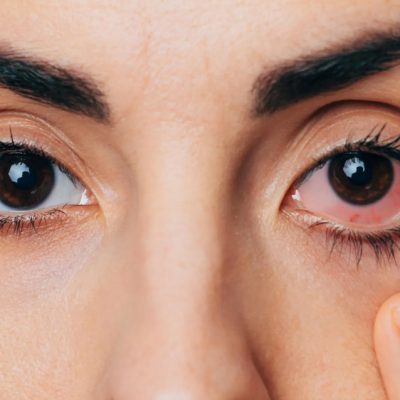
Half of Adults Suffer From Dry Eyes, But Most Never Get Help
Dry eyes can cause significant discomfort, and the symptoms become more common as we age. However, until now, it was unclear what proportion of the population suffered from the condition, with estimates ranging from 5-50%. In fact, research presented today (September 15) at the 43rd Congress of the European Society of Cataract and Refractive Surgeons (ESCRS) [1], found that … [Read more...]
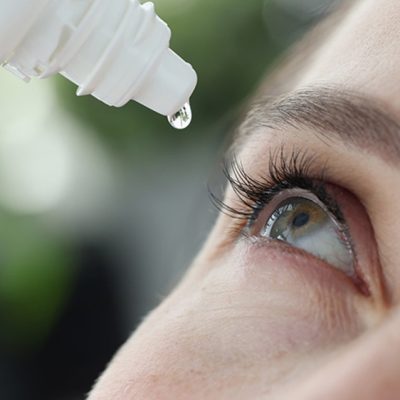
Daily Eye Drops Could Make Reading Glasses Obsolete
Everybody develops presbyopia as they age - a difficulty in focusing on near objects and text - and often have to resort to reading glasses. However, the solution might be as simple as using special eye drops two or three times a day. A retrospective study of 766 patients presented on September 14 at the 43rd Congress of the European Society of Cataract and Refractive … [Read more...]

Eating Mediterranean could be the secret to healthy gums
Findings from a King's College London study indicate that people not following a Mediterranean - style diet tended to have more severe gum disease, especially if they consumed red meat frequently. In these patients, the researchers observed higher levels of circulating inflammatory markers, such as Interleukin-6 (IL-6) and C-reactive protein (CRP). However, patients whose … [Read more...]

Scientists Found 3 Simple Tweaks That Cut Diabetes Risk by 31%
A Mediterranean-style diet, in combination with reduced caloric intake, moderate physical activity, and professional support for weight loss, may cut the risk of type 2 diabetes (T2D) by 31%, according to a new study co-authored by researchers at Harvard T.H. Chan School of Public Health. The study was published on August 25, 2025, in the Annals of Internal … [Read more...]

Why Ultra-Processed Diets Make You Gain Fat Even Without Extra Calories
An international team of scientists has now discovered that people gain more weight on an ultra-processed diet compared to a minimally processed diet, even when they eat the same number of calories. The study in humans also revealed a diet high in ultra-processed foods introduces higher levels of pollutants that are known to affect sperm quality. The findings were published in … [Read more...]
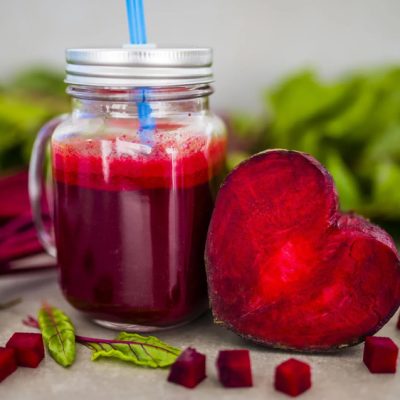
Beet Juice Secretly Helps Older Adults Lower Blood Pressure in Just Two Weeks
Researchers at the University of Exeter conducted the study, published in the journal Free Radical Biology and Medicine, comparing responses between a group of older adults to that of younger adults. Previous research has shown that a high nitrate diet can reduce blood pressure, which can help reduce risk of heart disease. Nitrate is crucial to the body and is consumed as a … [Read more...]

Exercise May Actually Reverse Your Body’s Aging Clock
A new research perspective was recently published in Aging, titled "Exercise as a geroprotector: focusing on epigenetic aging." In this perspective, led by Takuji Kawamura from Tohoku University, researchers reviewed existing evidence from scientific studies showing that regular exercise, physical activity, and fitness may influence epigenetic aging and potentially reverse … [Read more...]

Mysterious “Little Red Dots” Could Reveal How the First Black Holes Formed
In the study, published in The Astrophysical Journal Letters, Authors Fabio Pacucci and Abraham (Avi) Loeb suggest that these galaxies are the result of very slowly spinning dark matter halos, an extremely rare cosmic structure. These faint, compact objects, discovered in deep space images from the James Webb Space Telescope (JWST), have challenged scientists' understanding … [Read more...]

Why Some People Age Faster. And The 400 Genes Behind It
Scientists have uncovered more than 400 genes linked to different forms of unhealthy aging, shedding light on why some people thrive into their 90s while others struggle decades earlier. Credit: Shutterstock It's a fact of life: Some people age better than others. Some ease into their 90s with mind and body intact, while others battle diabetes, Alzheimer's or mobility … [Read more...]
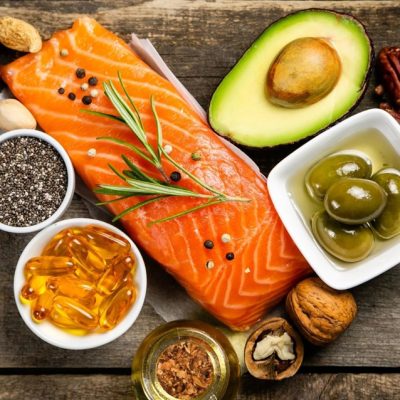
A Startling Omega-3 Deficiency May Explain Women’s Alzheimer’s Risk
Omega fatty acids could protect against Alzheimer's disease in women, new research has found. Analysis of lipids - fat molecules that perform many essential functions in the body - in the blood found there was a noticeable loss of unsaturated fats, such as those that contain omega fatty acids, in the blood of women with Alzheimer's disease compared to healthy … [Read more...]

Walk Faster, Live Longer: How just 15 Minutes a day can Boost Lifespan
Regular walking is widely recognized for its significant benefits to overall health and well-being. Previous research has primarily focused on middle-to-high-income White populations. Now, a novel analysis using data from the Southern Community Cohort Study, involving 79,856 predominantly low-income and Black individuals across 12 southeastern US states, confirms the benefits … [Read more...]

Fatigue, Anxiety, Pain? They Might be MS in Disguise
The earliest warning signs of multiple sclerosis (MS) may emerge more than a decade before the first classical neurological symptoms occur, according to new research from the University of British Columbia. Published on August 1 in JAMA Network Open, the study analyzed the health records of more than 12,000 people in British Columbia and found that those with MS began … [Read more...]
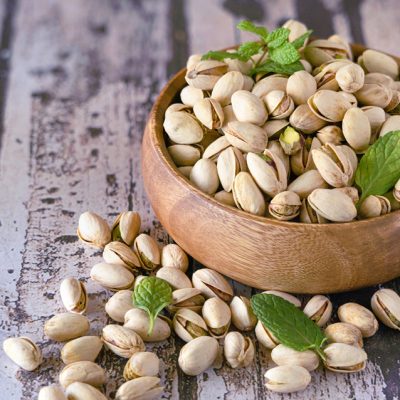
This Bedtime Snack Swap could Rewire Your Gut and Help Prevent Diabetes
Prediabetes affects a third of people in the United States and most of them will develop Type 2 diabetes, yet effective dietary intervention strategies remain limited. Pistachios have shown promise in improving markers of diet quality, yet little is known about how they influence the gut microbiome -- a key player in glucose regulation and inflammation. A new study led by … [Read more...]

Unwanted Pregnancies Surge with Alcohol, but not with Cannabis, Study Finds
A new study has found that, among women with a high desire to avoid becoming pregnant, those who drank heavily had a 50% higher risk of becoming pregnant than those who drank moderately or not at all. In contrast, participants who used cannabis were no more likely to have an undesired pregnancy than participants who did not use cannabis. From a larger sample of over 2,000 … [Read more...]
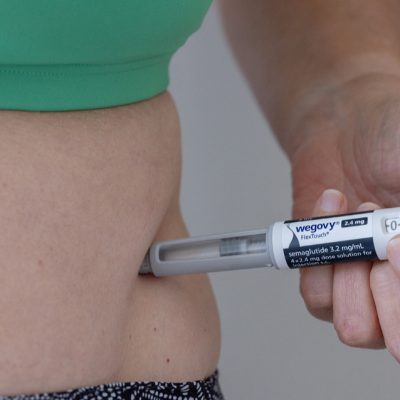
Weight Loss Drug Ozempic could Protect the Brain From Stroke
Three studies presented recently at the Society of NeuroInterventional Surgery's (SNIS) 22nd Annual Meeting discussed whether using GLP-1 inhibitors could lessen the impacts of stroke and related brain injuries or reduce the risk of stroke altogether. These medications, which lower blood sugar and often cause weight loss, are commonly prescribed for type 2 diabetes and obesity … [Read more...]

This New Drug could Help PTSD Patients Finally let go of Trauma
Did you know that patients with post traumatic stress disorder (PTSD) often struggle to forget traumatic memories, even long after the danger has passed? This failure to extinguish fear memories has long puzzled scientists and posed a major hurdle for treatment, especially since current medications targeting serotonin receptors offer limited relief for only a subset of … [Read more...]

Hidden Gene in Leukemia Virus could Revolutionize HIV Treatment
HTLV-1 is a cancer-causing retrovirus known to lead to adult T-cell leukemia/lymphoma (ATL), an aggressive and often fatal disease. Although most infected individuals remain asymptomatic for life, a fraction eventually develops leukemia or other inflammatory conditions. The virus achieves long-term persistence by entering a "latent" state, during which its genetic material … [Read more...]
- « Previous Page
- 1
- 2
- 3
- 4
- 5
- …
- 426
- Next Page »
