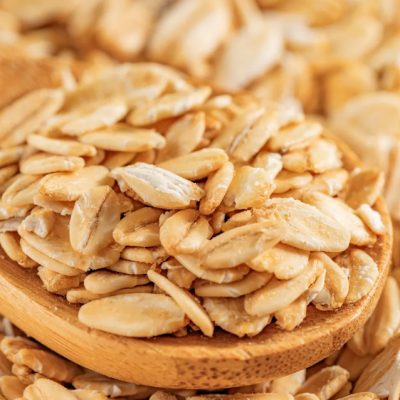
Eating mostly oatmeal for just two days may significantly reduce cholesterol, according to a clinical trial from the University of Bonn published in Nature Communications. The study focused on people with metabolic syndrome, a cluster of conditions that includes excess body weight, high blood pressure, elevated blood sugar, and abnormal blood lipid levels. Participants followed … [Read more...]
Cardiovascular Health


Stop Eating 3 Hours Before Bed to Improve Heart Health
Researchers at Northwestern Medicine explored whether timing an overnight fast to match a person's natural sleep wake cycle could improve heart and metabolic health. The circadian rhythm plays a central role in regulating cardiovascular and metabolic function. Importantly, participants did not reduce calories. The focus was entirely on adjusting when they ate. The study … [Read more...]
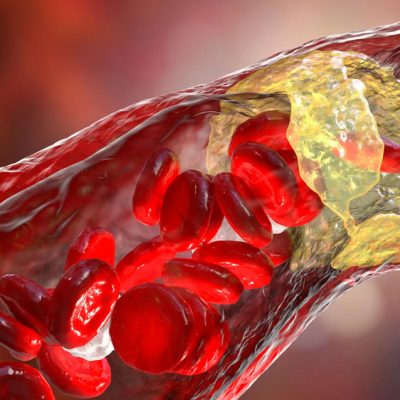
Everyday Microplastics could be Fueling Heart Disease
A research team at the University of California, Riverside has found that routine exposure to microplastics -- tiny pieces released from packaging, fabrics, and common consumer plastics -- may speed up the formation of atherosclerosis, the artery-narrowing condition associated with heart attacks and strokes. The effect appeared only in male mice, offering new insight into how … [Read more...]

Your Bedroom Glow Might be Quietly Damaging Your Heart
Exposure to artificial light at night appears to trigger stress in the brain and inflammation in the arteries, raising heart disease risk. Researchers say even modest light increases could have long-term cardiovascular consequences. Nighttime Light and Heart Health A preliminary analysis to be presented at the American Heart Association's Scientific Sessions 2025 found … [Read more...]

AI-Powered Smart Bandage Heals Wounds 25% Faster
As a wound heals, it goes through several stages: clotting to stop bleeding, immune system response, scabbing, and scarring. A wearable device called "a-Heal," designed by engineers at the University of California, Santa Cruz, aims to optimize each stage of the process. The system uses a tiny camera and AI to detect the stage of healing and deliver a treatment in the form … [Read more...]

The Fat You can’t See may be Damaging Your Heart, Even if you Exercise
Excessive amounts of visceral fat -- the hidden fat surrounding organs -- is linked with faster aging of the heart, a new study has found. Aging is the biggest risk factor for heart disease, but why some people age faster than others isn't fully understood. The scientists leading the research say that visceral body fat could play an important role in accelerating aging of … [Read more...]

This New Drug could Help PTSD Patients Finally let go of Trauma
Did you know that patients with post traumatic stress disorder (PTSD) often struggle to forget traumatic memories, even long after the danger has passed? This failure to extinguish fear memories has long puzzled scientists and posed a major hurdle for treatment, especially since current medications targeting serotonin receptors offer limited relief for only a subset of … [Read more...]

After Cardiac Event, People Who Regularly Sit for too Long Had Higher Risk of Another Event
People who sit or remain sedentary for more than 14 hours a day, on average, may have a higher risk of a cardiovascular event or death in the year after treatment at a hospital for symptoms of a heart attack such as chest pain, according to new research published today in the American Heart Association's peer-reviewed scientific journal Circulation: Cardiovascular Quality and … [Read more...]
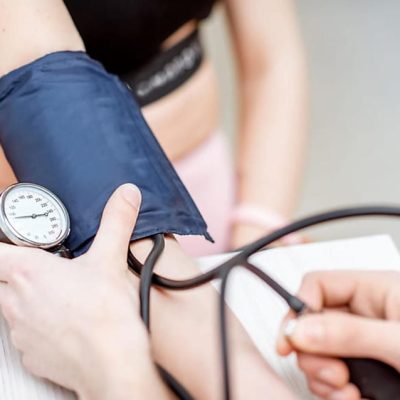
Controlling These 8 Risk Factors May Eliminate Early Death Risk for Those with High Blood Pressure
A new study led by researchers at Tulane University suggests that people with high blood pressure can significantly reduce -- and possibly eliminate -- their increased risk of premature death by controlling several key health risk factors at once. The study, published in Precision Clinical Medicine, tracked more than 70,000 people with hypertension and over 224,000 without … [Read more...]
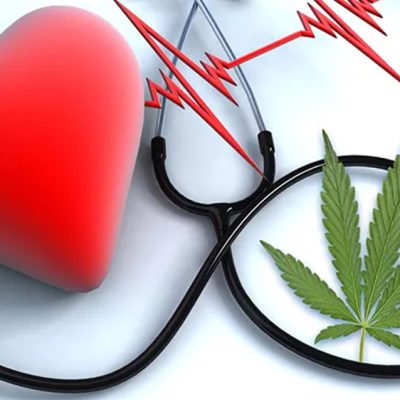
Whether it’s Smoking or Edibles, Marijuana can be Bad for Your Seart, Study Suggests
A new study led by UC San Francisco researchers finds that chronic cannabis use -- whether it's smoked or consumed in edible form -- is associated with significant cardiovascular risks. The report, published May 28 in JAMA Cardiology, found that people who regularly used marijuana in either form had reduced blood vessel function that was comparable to tobacco smokers. … [Read more...]
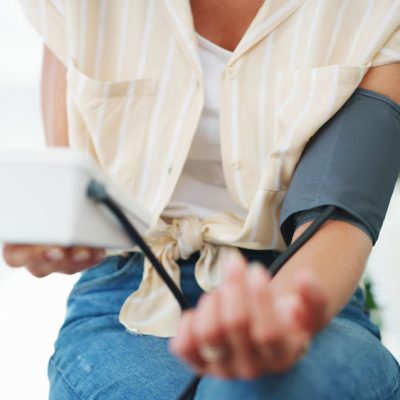
New Study Finds That Tea and Chocolate may help Lower Blood Pressure
New study finds that tea and chocolate may help lower blood pressure ++heart diseaseWe might have another reason to enjoy our daily cup of tea or small piece of dark chocolate, as a new study from the University of Surrey has found that naturally occurring compounds called flavan-3-ols -- found in cocoa, tea, apples and grapes -- may improve blood pressure and the health of our … [Read more...]
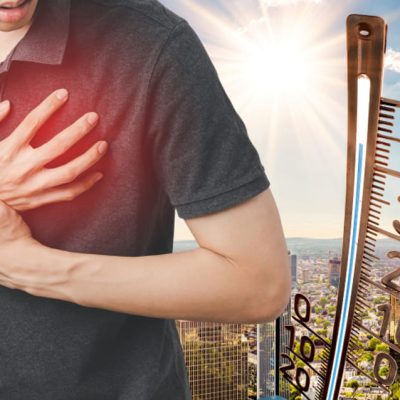
Rethinking How we Study the Impact of Heat on Heart Health
When exposed to heat, the body may struggle to function normally, potentially resulting in serious cardiovascular issues. To cool down, the body increases blood flow to the skin, leading to higher heart rates and increased cardiac workloads. The resultant increase in strain on the heart can pose a significant risk for vulnerable groups, including older adults and individuals … [Read more...]
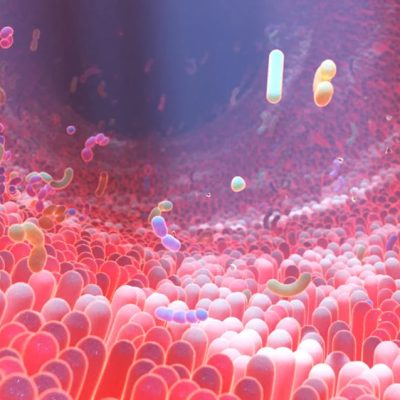
A Common Mouth and Gut Bacteria may be Linked with Increased Stroke Risk
A common bacteria usually found in the mouth and gastrointestinal tract, Streptococcus anginosis, may be abundant in the guts of people with stroke and is associated with a worse prognosis and increased risk of death, according to a preliminary study to be presented at the American Stroke Association's International Stroke Conference 2025. The meeting is in Los Angeles, Feb. … [Read more...]
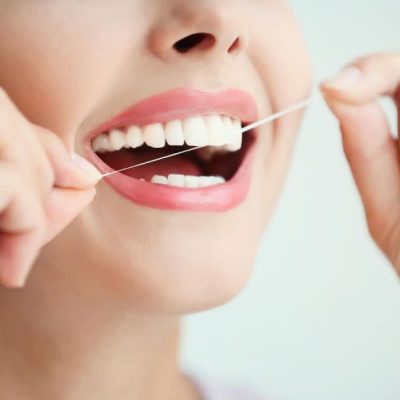
Regular Dental Flossing may Lower Risk of Stroke from Blood Clots, Irregular Heartbeats
Flossing your teeth at least once a week may be linked to a lower risk of stroke caused by a blood clot blocking brain blood flow and irregular heartbeats, according to a preliminary study to be presented at the American Stroke Association's International Stroke Conference 2025. The meeting is in Los Angeles, Feb. 5-7, 2025, and is a world premier meeting for researchers and … [Read more...]

Tiny, Daily Bursts of Vigorous Incidental Physical Activity could Almost Halve Cardiovascular Risk in Middle-Aged Women
An average of four minutes of incidental vigorous physical activity a day could almost halve the risk of major cardiovascular events, such as heart attacks, for middle-aged women who do not engage in structured exercise, according to new research from the University of Sydney, published in the British Journal of Sports Medicine. "We found that a minimum of 1.5 minutes to … [Read more...]
Invention Quickly Detects Earliest Sign of Heart Attack
"Heart attacks require immediate medical intervention in order to improve patient outcomes, but while early diagnosis is critical, it can also be very challenging -- and near impossible outside of a clinical setting," said lead author Peng Zheng, an assistant research scientist at Johns Hopkins University. "We were able to invent a new technology that can quickly and accurately … [Read more...]
Study Proposes New Heart Failure Treatment Targeting Abnormal Hormone Activity
In heart failure, which is considered a global pandemic, the heart can no longer pump blood effectively. In HFpEF, the heart can pump normally but its muscles are too stiff to relax to re-fill the chambers with blood properly. It is often seen in older adults and people with multiple risk factors including high blood pressure (hypertension), obesity and diabetes. They … [Read more...]
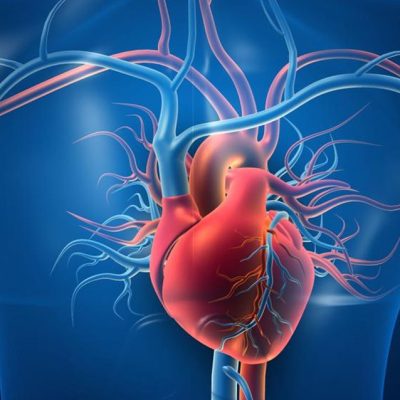
Like Father, Like Daughter
When they become fathers, men who have an unhealthy, high-cholesterol diet can cause increased risk of cardiovascular disease, or CVD, in their daughters, a University of California, Riverside-led mouse study has found. The research, published in the journal JCI Insight, is the first to demonstrate this result seen only in female offspring. CVD, the leading cause of death … [Read more...]
Short, Intense Bursts of Exercise More Effective After Stroke than Steady, Moderate Exercise
One-minute, short bursts of high-intensity interval training for 19 minutes may be more effective for improving fitness among people six months or more after a stroke than traditional, 20-30 minutes of moderate-intensity exercise sessions, according to research published today in Stroke, the peer-reviewed scientific journal of the American Stroke Association, a division of the … [Read more...]
Home Test Reveals The Risk of Heart Attack in Five Minutes
The study, published in Journal of the American Heart Association, uses data from the SCAPIS population study, which is based at the University of Gothenburg, with the Swedish Heart Lung Foundation as its main sponsor. The study was led by Göran Bergström, Professor of Clinical Physiology at Sahlgrenska Academy at the University of Gothenburg, senior physician at Sahlgrenska … [Read more...]

Study Reveals how ‘Forever Chemicals’ may Impact Heart Health in older Women
New research from the University of Illinois Urbana-Champaign has linked multiple types of per- and polyfluoroalkyl substances (PFAS, also known as "forever chemicals") with increased risk of cardiovascular diseases in postmenopausal women. Specifically, the study reveals how PFAS chemicals interact with pro-inflammatory pathways in older women, providing potential explanations … [Read more...]

Cardio-Fitness Cuts Death and Disease by Nearly 20%
Running, cycling, or swimming -- if you regularly exercise, you're well on track for a long and healthy life, as groundbreaking new research from the University of South Australia finds that an increased cardio fitness level will reduce your risk of death from any cause by 11-17%. Published in BJSM, the study found that for every 1-MET increase in cardiorespiratory fitness … [Read more...]
Anxiety and Depression Could Offer an Early Warning of Cardiovascular Risk
Younger women are generally thought to have a low risk of heart disease, but new research urges clinicians to revisit that assumption, especially for women who suffer from certain mental health conditions. A new study being presented at the American College of Cardiology's Annual Scientific Session found that having anxiety or depression could accelerate the development of … [Read more...]

Flexitarian Diet Linked to Lower Cardiovascular Risk, Study Finds
A new study published in BMC Nutrition examines the cardiovascular risk associated with different dietary patterns. About the study Study participants between 25 and 45 years old were divided into three groups. The first group comprised long-term flexitarians (FXs) who ingested 50 grams of meat or meat products each day, whereas the second group consisted of vegans who … [Read more...]

Key to Healing Injured Hearts
A groundbreaking scientific study published in Nature Cardiovascular Research has unveiled a remarkable discovery that may have far-reaching implications for the treatment of heart disease. The intensive investigations utilizing single-cell genomics and genetic experiments were conducted by a team of scientists in theCardiomyocyte Renewal Laboratory and McGill Gene Editing … [Read more...]
Reduced Blood Lead Levels Linked to Lower Blood Pressure
Through the Strong Heart Family Study, National Institutes of Health-supported researchers found that small declines in blood lead levelswere associated with long-term cardiovascular health improvements in American Indian adults. Participants who had the greatest reductions in blood lead levels saw their systolic blood pressure fall by about 7 mm Hg, an amount comparable to the … [Read more...]
Elevated Pregnancy Blood Pressure may Leave Lasting Marks on the Heart
New research from the Smidt Heart Institute at Cedars-Sinai found that women who developed signs of elevated blood pressure during pregnancy were more likely to have residual evidence of abnormal heart structure and function up to a decade after the pregnancy. "This study helps to clarify that, for some women, pregnancy is not just a 'stress test' that unmasks underlying … [Read more...]

Benefits of Adolescent Fitness to Future Cardiovascular Health Possibly Overestimated
There is a well-known relationship between good physical fitness at a young age and a lower risk of cardiovascular disease later in life. However, when researchers adjusted for familial factors by means of sibling analysis, they found a weaker association, although the link between high body mass index (BMI) and cardiovascular disease remained strong. The study, which was … [Read more...]
Measuring Long-Term Heart Stress Dynamics with Smartwatch Data
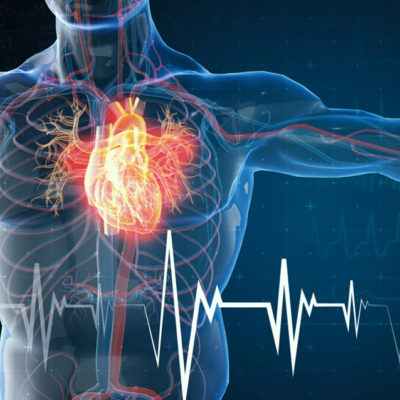
Biomedical engineers at Duke University have developed a method using data from wearable devices such as smartwatches to digitally mimic an entire week's worth of an individual's heartbeats. The previous record covered only a few minutes. Called the Longitudinal Hemodynamic Mapping Framework (LHMF), the approach creates "digital twins" of a specific patient's blood flow to … [Read more...]
Not Getting Enough Sleep? Your Vascular Cells are Drowning in Oxidants
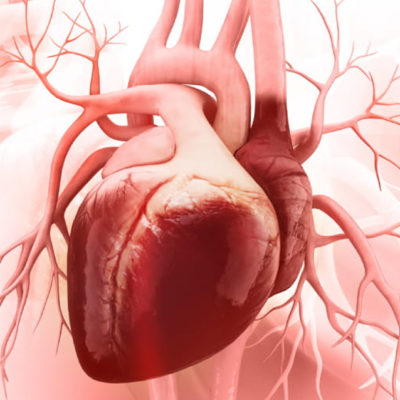
Does this sound like you? You wake up at the same time each morning, get the kids out the door, and rush to catch the subway to work. But at night, maybe you stay up until midnight doing laundry or 1 a.m. to catch up on the bills. Lots of Americans -- about one-third of us -- are in the same situation and habitually get only five to six hours of sleep instead of the … [Read more...]
- 1
- 2
- 3
- …
- 35
- Next Page »
