
Experts at the University of Sydney are urging people, especially those with existing heart or vascular conditions, to seek medical advice before attempting to lose weight using water-only fasting diets. The study, published in Molecular Metabolism, was conducted by a team of researchers in Australia, Italy and the US. It examined the impact of prolonged fasting -- a diet … [Read more...]
Nutrition & Wellness

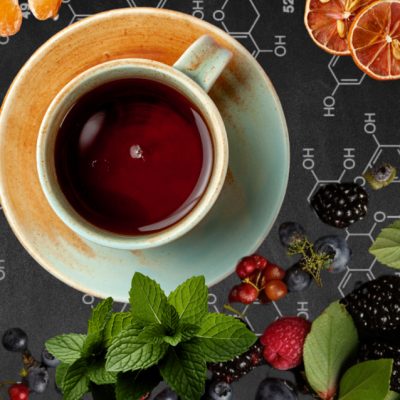
Tea, Berries, Dark Chocolate and Apples could Lead to a Longer Life Span, Study Shows
New research has found that those who consume a diverse range of foods rich in flavonoids, such as tea, berries, dark chocolate, and apples, could lower their risk of developing serious health conditions and have the potential to live longer. The study was led by a team of researchers from Queen's University Belfast, Edith Cowan University Perth (ECU), and the Medical … [Read more...]

How Fatty Meals Rapidly Weaken Our Gut Defenses
A study led by researchers from WEHI (Melbourne, Australia) has become the first in the world to unravel the immediate effects of a high-fat diet on our gut health. The pre-clinical study found even a few meals high in saturated fats can cause inflammation in the body, despite physical symptoms -- in the form of chronic inflammation -- potentially taking years to … [Read more...]

Molecules in Blood and Urine could Reveal How Much Ultra-Processed Food You Eat
Ultra-processed foods (UPFs) account for more than half of calories consumed in the average American diet, yet their impact on human health remains unclear, in part because it is so difficult to accurately track exactly how many UPFs people eat. In the new study, researchers analyzed blood and urine samples from 718 older adults, alongside detailed dietary recalls, to … [Read more...]

A healthy diet in childhood is linked to starting menstrual periods later, regardless of BMI or height
Eating a healthy diet as a child is linked to girls having their first menstrual period at an older age than those who consumed a less healthy diet, according to a new study published today (Wednesday) in Human Reproduction. The findings remained unaltered by the girls' body mass index (BMI) or height, both of which have been associated with the earlier onset of … [Read more...]

Running on Empty: Poor Nutrition Increases Injury Risk for Female Athletes
In a systematic review of nearly 6000 runners, researchers examined the link between diet and exercise-related injury among adult distance runners. The study found that lower energy and fat intakes were strongly associated with a higher risk of injury in female runners. The study also found that a low-fibre diet increased the likelihood of bone stress injuries in both … [Read more...]

Healthy Eating in Midlife Linked to Overall Healthy Aging
Maintaining a healthy diet rich in plant-based foods, with low to moderate intake of healthy animal-based foods and lower intake of ultra-processed foods, was linked to a higher likelihood of healthy aging -- defined as reaching age 70 free of major chronic diseases and with cognitive, physical, and mental health maintained, according to a new study by researchers at Harvard … [Read more...]
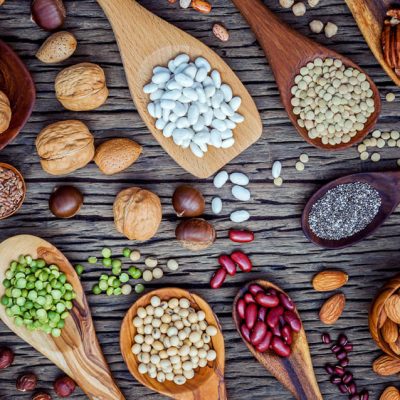
Scientists Call for Targeted Fiber Diets to Boost Health
Dietary fibres in fruit, vegetables, beans and whole grains are some of the most important food components for human health. They help digestion, weight management, blood sugar control, heart health, cancer prevention and more. But RMIT University food scientist Professor Raj Eri said consumer advice on how best to use them for these various benefits is sorely … [Read more...]

Depressing Findings for Those Suffering from Eating Disorders
New research shows that people with eating disorders are more harshly judged than those suffering from depression, making it much harder for them to seek treatment. That's the finding from a new University of South Australia study involving 235 people from the general population comparing attitudes towards binge eating, anorexia nervosa, bulimia nervosa, and … [Read more...]

Eat Better, Breathe Easier? Research Points to Link Between Diet, Lung Cancer
For cancers of organs like the liver, the long-term impact of our diet has been well studied -- so much so that we have guidance about red meat, wine and other delicacies. A new study from researchers at University of Florida Health looks at another kind of organ whose cancer risk may be affected by poor diet: the lungs. The study was funded by several National Institutes … [Read more...]

Mother’s High-Fat Diet Can Cause Liver Stress in Fetus
When mothers eat a diet high in fat and sugars, their unborn babies can develop liver stress that continues into early life. A new study published in the journal Liver International sheds light on changes to the fetus's bile acid, which affects how liver disease develops and progresses. Bile acids typically help with digestion and absorb dietary fats in the small … [Read more...]

AI Food Scanner Turns Phone Photos into Nutritional Analysis
Snap a photo of your meal, and artificial intelligence instantly tells you its calorie count, fat content, and nutritional value -- no more food diaries or guesswork. This futuristic scenario is now much closer to reality, thanks to an AI system developed by NYU Tandon School of Engineering researchers that promises a new tool for the millions of people who want to manage … [Read more...]
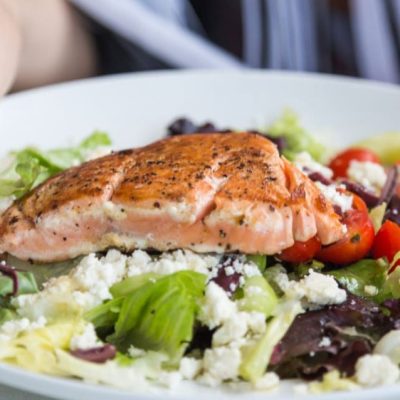
Fish-Rich Diet May Slow Multiple Sclerosis Disability Progression
Higher consumption of oily fish such as tuna and salmon or lean fish like cod and perch is associated with a reduced risk for disability progression in patients with multiple sclerosis (MS), a new study confirmed. Investigators observed the positive associations across three different disability measures, suggesting that diets high in fish may offer benefits across different … [Read more...]

Freshwater Alga could be the Next Superfood that Feeds the World
A green alga that grows in lakes and rivers could be the next 'superfood' -- helping scientists to tackle global food security challenges while promoting environmental sustainability, a new study reveals. Chlorella Vulgaris is a freshwater microalga rich in protein, lipids, carbohydrates, vitamins, and minerals. Unlike conventional agriculture, which requires extensive … [Read more...]
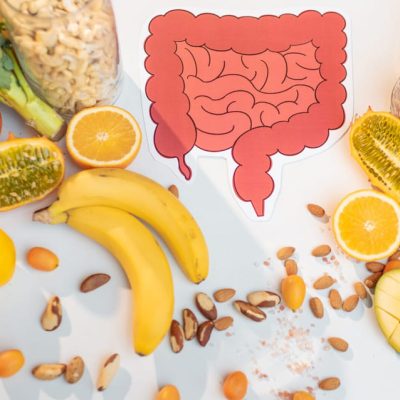
Suboptimal dietary patterns may accelerate biological aging as early as young adulthood
Humans do not always age biologically at the same rate as their chronological age. Faster biological aging compared to chronological age has been linked to higher risks of disease and mortality. According to a recent study, a diet low in vegetables and fruits and high in red meat, fast food, and sugar-sweetened soft drinks was associated with accelerated biological aging even … [Read more...]

Beneficial Prenatal Vitamins to Reduce Risk of Infant Death
Dongqing Wang, an assistant professor of Global and Community Health at George Mason's College of Public Health, is pioneering research in prenatal nutritional interventions. His latest report identifies prenatal supplements that reduce health risks to small and vulnerable babies. This research was published in the The Lancet Global Health journal and funded by the Bill and … [Read more...]
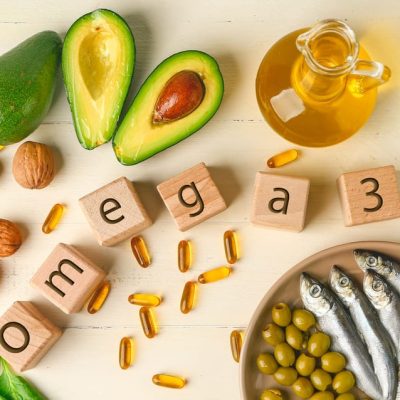
Omega-3s Can Slow Down Aging Process
Many people would like to delay or even stop the aging process. Previous clinical studies have shown that a reduced calorie intake can slow down the aging process in humans. Taking vitamin D or omega-3 fatty acids has also shown promising results in slowing biological aging in animals. However, it was unclear whether these measures would also work in humans. The therapies … [Read more...]

Frequent Fizzy or Fruit Drinks and High Coffee Consumption Linked to Higher Stroke Risk
Frequent drinking of fizzy drinks or fruit juice is associated with an increased risk of stroke, according to new findings from global research studies co-led by University of Galway, in collaboration with McMaster University Canada and an international network of stroke researchers. The research also found that drinking more than four cups of coffee per day also increases … [Read more...]

One in Three Americans has a Dysfunctional Metabolism, but Intermittent Fasting could help
More than one-third of adults in the United States have metabolic syndrome, a cluster of conditions that significantly raise a person's risk of heart disease, stroke, and type 2 diabetes. These conditions include high blood pressure, elevated blood sugar, excess abdominal fat, and abnormal cholesterol levels. In a new clinical trial, researchers at the Salk Institute and … [Read more...]

Sport-Related Stress may Affect Whether College Athletes eat Enough Calories
Studies have long shown that unhealthy attitudes about eating -- like desiring a thinner body or deliberately restricting caloric intake -- can lead to the underconsumption of nutrients, the team said. College athletes may face pressures to maintain specific body types for competitive reasons, so they can be especially vulnerable to these phenomena, according to the … [Read more...]

Hepatic diseaseHepatic diseaseHepatic disease
Childhood obesity can contribute to the development of common immune-mediated skin diseases (IMSDs), such as alopecia areata, atopic dermatitis, and psoriasis, new research finds. Maintaining a healthy weight could potentially help lower the chances of developing these skin conditions. A novel study in the Journal of Investigative Dermatology, published by Elsevier, details the … [Read more...]
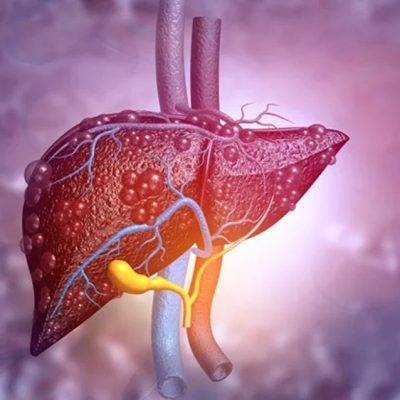
Hepatic disease: A Camu-Camu Fruit Extract to Reduce Liver Fat
A research team from Université Laval has shown the benefits of camu-camu on non-alcoholic fatty liver disease, which affects over seven million people in Canada. This exotic fruit reduces liver fat levels. Over 12 weeks, thirty participants took either camu-camu extract or a placebo at different times in this randomized clinical trial. Participants underwent magnetic … [Read more...]

Significant Link Found Between Heme Iron, Found in Red Meat and Other Animal Products, and Type 2 diabetes risk
Higher intake of heme iron, the type found in red meat and other animal products -- as opposed to non-heme iron, found mostly in plant-based foods -- was associated with a higher risk of developing type 2 diabetes (T2D) in a new study led by researchers at Harvard T.H. Chan School of Public Health. While the link between heme iron and T2D has been reported previously, the … [Read more...]

Ketogenic Diet may reduce friendly gut bacteria and raise cholesterol levels
Published in Cell Reports Medicine, the research from the Centre for Nutrition, Exercise, and Metabolism involved 53 healthy adults for up to 12 weeks. Participants followed either a moderate sugar diet (control), a low-sugar diet (less than 5% of calories from sugar), or a ketogenic (keto) low-carbohydrate diet (less than 8% of calories from carbohydrates). Key findings … [Read more...]

Healthy Adults Under Age of 75 Urged to Take Recommended Daily Allowance of Vitamin D
Vitamin D use and blood vitamin D levels have been associated with many common diseases. However, whether vitamin D supplementation lowers the risk of these diseases and what vitamin D blood levels are needed for better health have been debated for years. In this new guideline, the panel of experts established guidelines for vitamin D use and testing for vitamin D levels in … [Read more...]

Medical School isn’t Teaching Doctors Much About Nutrition
Nutrition is a key determinant of health. But American physicians aren't receiving effective training to counsel patients on the topic, according to a new paper from University of Georgia researchers. Current medical training focuses on weight and body mass index (BMI), exacerbating anti-obesity bias and increasing the risk of eating disorders, the authors said. And it … [Read more...]

Childcare Pick-Up: A 1-Hour Window to Build Healthier Eating Habits
Millions of working parents know the routine: bustle the kids off to childcare in the morning, work all day, then fight the daily traffic jams to get the kids back home. Something to drink, maybe a snack to munch, can help ease the commute. Understandably, few parents take the time to think about the nutrients or calories involved, but experts at Cincinnati Children's … [Read more...]

Nutrient Research Reveals Pathway for Treating Brain Disorders
A University of Queensland researcher has found molecular doorways that could be used to help deliver drugs into the brain to treat neurological disorders. Dr Rosemary Cater from UQ's Institute for Molecular Bioscience led a team which discovered that an essential nutrient called choline is transported into the brain by a protein called FLVCR2. "Choline is a vitamin-like … [Read more...]

Use of Acid Reflux Drugs Linked to Higher Risk of Migraine
People who take acid-reducing drugs may have a higher risk of migraine and other severe headache than people who do not take these medications, according to a study published in the April 24, 2024, online issue of Neurology®Clinical Practice, an official journal of the American Academy of Neurology. The acid-reducing drugs includeproton pump inhibitors such as omeprazole and … [Read more...]

Healthy Diets Increase The Economic and Physical Feasibility of 1.5°C
A global shift to a healthier, more sustainable diet could be a huge lever to limit global warming to 1.5°C, researchers at the Potsdam Institute for Climate Impact Research (PIK) find. The resulting reduction of greenhouse gas emissions would increase the available carbon budget compatible with limiting global warming to 1.5°C, and allow to achieve the same climate outcome … [Read more...]
- « Previous Page
- 1
- 2
- 3
- 4
- …
- 44
- Next Page »
