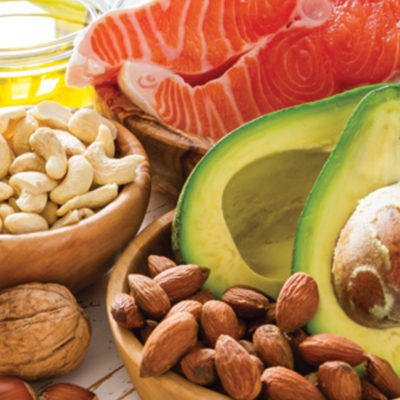
Researchers at the University of Michigan Rogel Cancer Center have found a cell nuclear receptor activated by high fat diets and synthetic substances in unregulated athletic performance enhancers fuels the progression of precancerous pancreas lesions into pancreatic cancer. Pancreatic ductal adenocarcinoma is a highly lethal form of cancer with rising occurrence, and … [Read more...]
Nutrition & Wellness


Large Study in Botswana Finds Daily Micronutrient Supplementation During Pregnancy Reduces Complications at Birth
Published in Lancet Global Health, the study was led by Ellen Caniglia, ScD, an assistant professor of Epidemiology in the Department of Biostatistics, Epidemiology, and Informatics at the Perelman School of Medicine at the University of Pennsylvania, as well as investigators at the Botswana-Harvard AIDS Institute Partnership and Harvard T.H. Chan School of Public Health. The … [Read more...]

New Study Reveals that Healthy Plant-Based Diets are Associated with a Lower Risk of Developing Diabetes
The study was conducted by Professor Frank Hu and colleagues at the Department of Nutrition, Harvard T.H. Chan School of Public Health, Boston, MA, USA, and aimed to identify the metabolite profiles related to different plant-based diets and investigate possible associations between those profiles and the risk of developing T2D. A metabolite is a substance used or produced … [Read more...]
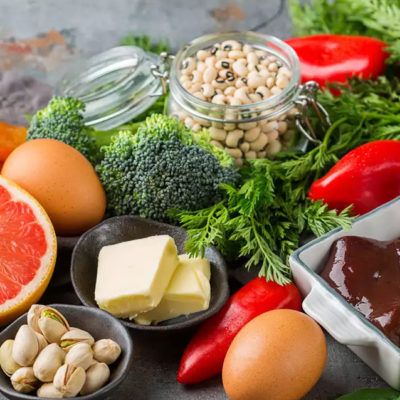
Scientists Develop Coated Probiotics that could be Effectively Delivered into the Human Gut
Probiotics are defined by the World Health Organisation as live microorganisms, which when administered in adequate amounts, confer a health benefit on the host[1]. They have been shown to help prevent infections of the urinary and digestive tracts, and to maintain a healthy gut flora, which is linked to reducing the risk of obesity and promoting overall … [Read more...]

New Clues in the Brain Linking Pain and Food
It has long been known that there is an association between food and pain, as people with chronic pain often struggle with their weight. Researchers at the Del Monte Institute for Neuroscience may have found an explanation in a new study that suggests that circuitry in the brain responsible for motivation and pleasure is impacted when someone experiences pain. "These findings … [Read more...]

Coffee and Tea Drinking may be Associated with Reduced Rates of Stroke and Dementia
Drinking coffee or tea may be associated with a lower risk of stroke and dementia, according to a study of healthy individuals aged 50-74 publishing Nov. 16 in the open-access journal PLOS Medicine. Drinking coffee was also associated with a lower risk of post-stroke dementia. Strokes are life-threatening events which cause 10 percent of deaths globally. Dementia is a … [Read more...]
For some Greenlanders, Eating Sugar is Healthy
Imagine being able to swap out broccoli for sweets, Ben & Jerry's or some other sugary treat and achieve the same health benefits. This is fact not fantasy for about two to three percent of the Greenlandic population. Two copies of a gene variant make it so that they absorb sugar differently than other people do. "Adult Greenlanders with the genetic variation have … [Read more...]
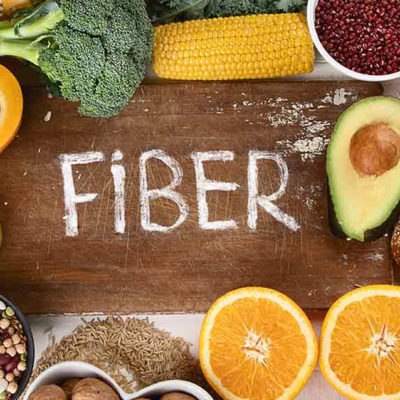
Dietary Fiber Improves Outcomes for Melanoma Patients on Immunotherapy
Melanoma patients receiving therapy that makes it easier for their immune system to kill cancer cells respond to treatment better when their diet is rich in fiber, according to a large, international research collaboration that includes the Oregon State University College of Pharmacy. Published today in Science, the study led by the University of Texas and the National … [Read more...]

Latte Lovers Rejoice! Study Reveals Drinking Coffee could Lower the Risk of Alzheimer’s Disease
Good news for those of us who can't face the day without their morning flat white: a long-term study has revealed drinking higher amounts of coffee may make you less likely to develop Alzheimer's disease. As part of the Australian Imaging, Biomarkers and Lifestyle Study of ageing, researchers from Edith Cowan University (ECU) investigated whether coffee intake affected the … [Read more...]

How Eating Less in Early Life could help with Reproduction Later on
Switching from a restricted diet to eating as much as you like could be beneficial for reproduction in later life, according to new research from the University of East Anglia. Researchers studied the eating and mating habits of the small fruit fly Drosophila melanogaster. They found that females that consumed less food for their entire lives lived longer, however they … [Read more...]

Unraveling the mystery of why we overeat
Eating is one of life's greatest pleasures, and overeating is one of life's growing problems. In 2019, researchers from The Stuber Lab at the University of Washington School of Medicine discovered that certain cells light up in obese mice and prevent signals that indicate satiety, or feeling full. Now comes a deeper dive into what role these cells play. A study … [Read more...]

Mushroom consumption may lower risk of depression
Mushrooms have been making headlines due to their many health advantages. Not only do they lower one's risk of cancer and premature death, but new research led by Penn State College of Medicine also reveals that these superfoods may benefit a person's mental health. Penn State researchers used data on diet and mental health collected from more than 24,000 U.S. adults between … [Read more...]

Ranking Healthfulness of foods from first to worst
A scientific team at the Friedman School of Nutrition Science and Policy at Tufts has developed a new tool to help consumers, food companies, restaurants, and cafeterias choose and produce healthier foods and officials to make sound public nutrition policy. Food Compass is a new nutrient profiling system, developed over three years, that incorporates cutting-edge science … [Read more...]
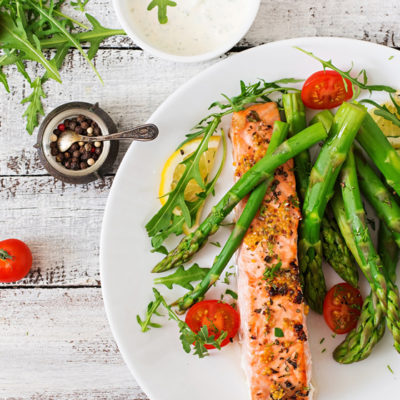
Consuming a Diet With More Fish Fats, Less Vegetable Oils can Reduce Migraine Headaches, Study Finds
A diet higher in fatty fish helped frequent migraine sufferers reduce their monthly number of headaches and intensity of pain compared to participants on a diet higher in vegetable-based fats and oils, according to a new study. The findings by a team of researchers from the National Institute on Aging (NIA) and the National Institute on Alcohol Abuse and Alcoholism (NIAAA), … [Read more...]

People Who Eat a Healthy Diet Including Whole Fruits May be Less Likely to Develop Diabetes
A new study finds people who consume two servings of fruit per day have 36 percent lower odds of developing type 2 diabetes than those who consume less than half a serving. The research was published in the Endocrine Society's Journal of Clinical Endocrinology & Metabolism. Diabetes is a disease where people have too much sugar in their bloodstream, and it is a huge … [Read more...]

Late Night Snacks May Hurt Your Workplace Performance, Study Finds
A recent study finds that unhealthy eating behaviors at night can make people less helpful and more withdrawn the next day at work. "For the first time, we have shown that healthy eating immediately affects our workplace behaviors and performance," says Seonghee "Sophia" Cho, corresponding author of the study and an assistant professor of psychology at North Carolina State … [Read more...]

Eating Processed Meat Could Increase Dementia Risk, Researchers Say
Scientists from the University's Nutritional Epidemiology Group used data from 500,000 people, discovering that consuming a 25g serving of processed meat a day, the equivalent to one rasher of bacon, is associated with a 44% increased risk of developing the disease. But their findings also show eating some unprocessed red meat, such as beef, pork or veal, could be protective, … [Read more...]

Heritable Traits That Appear in Teen Years Raise Risk for Adult Cannabis Use
While some youth experiment with marijuana but don't go on to long-term use, others develop a problematic pot habit that continues into adulthood. A major new analysis shows that at least a small portion of the risk for developing into an adult marijuana user may be related to inherited behaviors and traits that appear during adolescence. The journal Addiction published the … [Read more...]

BMI1, a Promising Gene to Protect Against Alzheimer’s Disease.
Another step towards understanding Alzheimer's disease has been taken at the Maisonneuve-Rosemont Hospital Research Centre. Molecular biologist Gilbert Bernier, and professor of neurosciences at Université de Montréal, has discovered a new function for the BMI1 gene, which is known to inhibit brain aging. The results of his work have just been published in Nature … [Read more...]

Toddler sleep patterns Significant
Establishing a consistent sleep schedule for a toddler can be one of the most challenging aspects of child rearing, but it also may be one of the most important. Research findings from a team including Lauren Covington, an assistant professor in the University of Delaware School of Nursing, suggest that children with inconsistent sleep schedules have higher body mass index … [Read more...]

Deciphering the genetics behind eating disorders
Anorexia nervosa, bulimia nervosa and binge-eating disorder are the three main eating disorders that 4 out of in 10 individuals living in Western Europe will experience at some point in their lives. In recent years, studies on the genetic basis of anorexia nervosa have highlighted the existence of predisposing genetic markers, which are shared with other psychiatric … [Read more...]

Bleeding gums may be a sign you need more vitamin C in your diet
Current advice from the America Dental Association tells you that if your gums bleed, make sure you are brushing and flossing twice a day because it could be a sign of gingivitis, an early stage of periodontal disease. And that might be true. So if you are concerned, see your dentist. However, a new University of Washington study suggests you should also check your intake of … [Read more...]

Danish and Chinese tongue taste broccoli and chocolate differently
Two studies from the University of Copenhagen show that Danes aren't quite as good as Chinese at discerning bitter tastes. The research suggests that this is related to anatomical differences upon the tongue of Danish and Chinese people. For several years, researchers have known that women are generally better than men at tasting bitter flavours. Now, research from the … [Read more...]

Healthy Muscles: a Carrot on a String for Healthy Lungs
Chronic obstructive pulmonary disease (COPD) is a lung disease caused by long-term inhalation of harmful gases such as cigarette smoke. Scientists have recognized deterioration of muscle tissue, known as, as a secondary effect of damaged lungs. This frailty makes it difficult for individuals to move around and exercise, which is turn worsens the state of their lungs, causing an … [Read more...]

Diet Modifications – More Wine and Cheese – Help Reduce Cognitive Decline
The foods we eat may have a direct impact on our cognitive acuity in our later years. This is the key finding of an Iowa State University research study spotlighted in an article published in the November 2020 issue of the Journal of Alzheimer's Disease. The study was spearheaded by principal investigator, Auriel Willette, an assistant professor in Food Science and Human … [Read more...]

Dieting and weight worries on rise in Teenagers
Significantly higher numbers of Generation Z boys and girls in the UK are dieting to lose weight, and are likely to overestimate their own weight, finds a new UCL-led study. The research, published in JAMA Pediatrics, found that girls who are trying to lose weight are also more likely to experience depressive symptoms than in previous years. In 2015, 42% of 14-year-old … [Read more...]

800 million children still exposed to lead
As many as 800 million children have dangerously high lead values in their blood. The neurotoxin can cause permanent brain damage. The huge international numbers come from a new report from Pure Earth and UNICEF. Pure Earth works to solve pollution problems that can be harmful to humans. "A child's earliest years of life are characterized by rapid growth and brain … [Read more...]
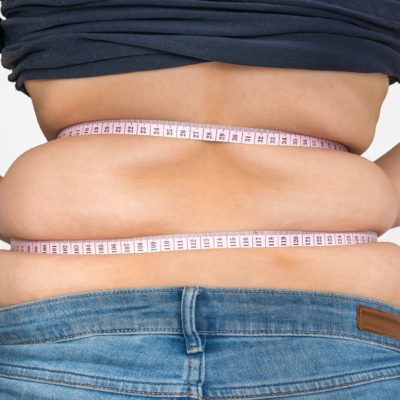
Genetic differences in body fat shape men and women’s health risks
New research is revealing how genetic differences in the fat in men's and women's bodies affect the diseases each sex is likely to get. University of Virginia researchers Mete Civelek, PhD, Warren Anderson, PhD, and their collaborators have determined that differences in fat storage and formation in men and women strongly affect the activity of 162 different genes found in … [Read more...]

The link between stress and depression
Researchers at Karolinska Institutet in Sweden have identified a protein in the brain that is important both for the function of the mood-regulating substance serotonin and for the release of stress hormones, at least in mice. The findings, which are published in the journal Molecular Psychiatry, may have implications for the development of new drugs for depression and … [Read more...]

Vitamin C could help over 50s Retain Muscle Mass
Vitamin C could be the key to better muscles in later life, according to new research from the University of East Anglia (UEA). A study published today shows that older people who eat plenty of vitamin C -- commonly found in citrus fruits, berries and vegetables -- have the best skeletal muscle mass. This is important because people tend to lose skeletal muscle mass as … [Read more...]
- « Previous Page
- 1
- 2
- 3
- 4
- 5
- 6
- …
- 44
- Next Page »
