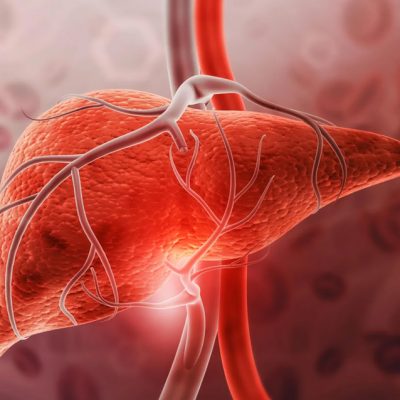
Researchers at McMaster University have uncovered an unexpected role for a naturally occurring hormone already known for reducing appetite and supporting weight loss. The hormone appears to protect the liver from inflammation through a previously unknown signaling pathway, a finding that could point toward new approaches for treating advanced fatty liver disease. The study, … [Read more...]

3 Minutes of Sprinting Does Something 90 Minutes of Exercise Does Not
Just three minutes of sprinting may produce a molecular response that looks very different from what happens after 90 minutes of moderate exercise. Researchers at Rockefeller University compared how the body responds to exercise performed at different intensities. They found that six 30-second, all-out sprints changed nearly one-quarter of the proteins measured in the blood … [Read more...]

Exercise May Work Better For Keeping Weight Off Than Losing It
The basic principle of weight loss is straightforward: if you consume fewer calories than you burn, you’ll lose weight. In practice though, this isn’t usually so easy or simple. Alongside counting calories or eating smaller portions, many people add exercise into the equation when trying to lose weight to help tip the balance. Yet research shows that exercise may only have … [Read more...]
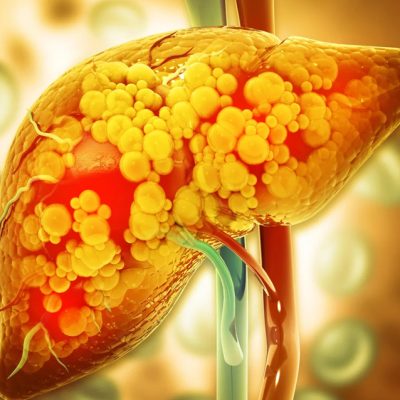
Keto Diet Cut Liver Fat By 67% In a Clinical Trial
A very low-carbohydrate, high-fat diet may provide stronger metabolic benefits for people with obesity than either a Mediterranean diet or a low-fat diet, according to a clinical trial published August 27 in the Cell Press journal Cell Metabolism. After four to five months on a ketogenic (or "Keto") diet, about half of the participants with obesity and prediabetes no longer met … [Read more...]
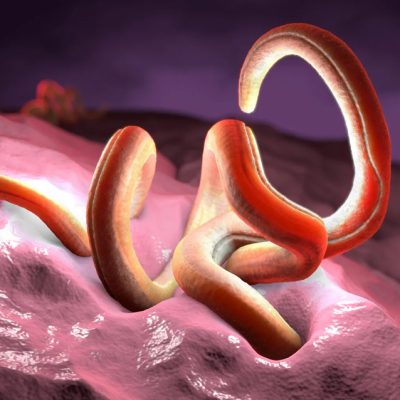
Scientists Discover How Gut Bacteria “Train” The Intestine To Fight Inflammation
Yingzi Cong, PhD, the Stanley Gradowski Professor of Gastroenterology and a professor of Microbiology-Immunology and of Pathology, was senior and co-corresponding author of the study. The researchers say the results support the idea that beneficial compounds made by gut microbes can effectively "train" the intestinal lining, helping it preserve immune tolerance over … [Read more...]

HEPA Air Purifiers May Boost Brain Function After Just One Month
Using an in-home HEPA purifier for one month spurs a small but significant improvement in brain function in adults age 40 and older. That’s the result of a new study we co-authored in the journal Scientific Reports. HEPA purifiers – HEPA stands for high efficiency particulate air – remove particulate matter from the air. Exposure to particulate matter has been connected to … [Read more...]
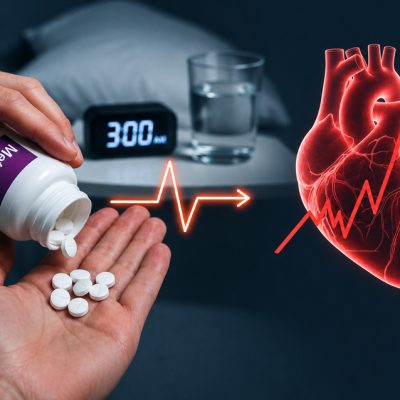
Long-Term Melatonin Use Linked to 90% Higher Heart Failure Risk
Long-term use of melatonin, a widely used sleep supplement, was linked to a higher risk of heart failure, hospitalization for heart failure, and death from any cause among people with chronic insomnia, according to preliminary research presented at the American Heart Association's Scientific Sessions 2025. The findings do not prove that melatonin itself caused the increased … [Read more...]
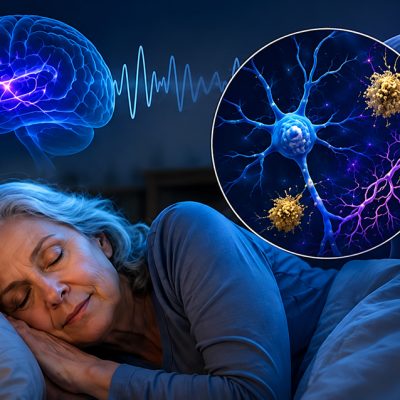
Your Sleep May be Hiding an Early Clue to Alzheimer’s
Could subtle changes during sleep reveal vulnerability to Alzheimer's disease years before memory problems become noticeable? Researchers at ULiège, supported by the Stop Alzheimer's Foundation, are investigating whether the sleeping brain may contain early clues. Scientists from the University of Liège (GIGA Neurosciences) examined sleep patterns in more than 500 healthy … [Read more...]

This Once-A-Week Workout May Help Cut Belly Fat, Study Shows
Researchers at the School of Public Health at the LKS Faculty of Medicine, the University of Hong Kong (HKUMed), have found that completing brisk interval walking once per week can reduce body fat and improve cardiorespiratory fitness in adults with central obesity. The benefits were comparable to those seen in participants who exercised three times per week, which is the … [Read more...]

Your AI Calorie-Tracking App May Be off by 345 Calories
AI-powered calorie tracking apps can estimate a meal's nutritional content from a single photograph. The technology offers a fast and convenient alternative to manually entering every food and portion, but new research suggests the results may be considerably lower than what is actually on the plate. In a test of four photo-based apps, researchers found that calorie and fat … [Read more...]
Eating One Avocado a Day May Lower Heart Disease Risk
Eating one avocado each day may modestly reduce heart disease risk in adults with obesity, according to new research led by scientists in the Penn State Department of Nutritional Sciences. The findings were published in the Journal of Clinical Lipidology. The researchers found that daily avocado consumption was linked to a lower concentration of low-density lipoprotein (LDL) … [Read more...]
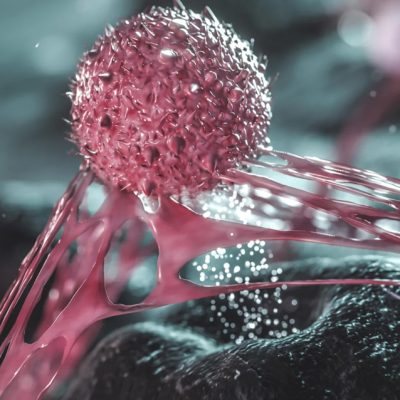
A Common Sugar May Help Cancer Cells Break Free And Spread
A study from The Wistar Institute has identified a surprising connection between fructose, a widely consumed dietary sugar, and the spread of an aggressive type of ovarian cancer. The findings, published in Nature Aging, suggest that cancer cells that remain after chemotherapy can communicate with nearby tumor cells and make them more likely to spread. The researchers found … [Read more...]

Can’t Sleep in The Heat? These 8 Tricks Could Save Your Night
When temperatures rise, sleep often suffers. Hot nights can make it harder to fall asleep, increase waking during the night and leave people feeling less rested the next day. One reason is thermoregulation, the body’s ability to keep its internal temperature within a safe range. Sleep is closely linked to body temperature: to fall asleep and stay asleep, the body usually … [Read more...]

Dirty Air May Trigger Painful Rheumatoid Arthritis Flares
Air pollution may make rheumatoid arthritis more active and increase the likelihood of painful flare-ups, according to a new study. The strongest connection involved fine particulate matter found in dust, soot, and smoke (PM2.5). Published in the Annals of the Rheumatic Diseases (ARD), The EULAR Journal, by Elsevier, the findings suggest that air quality may be an important … [Read more...]
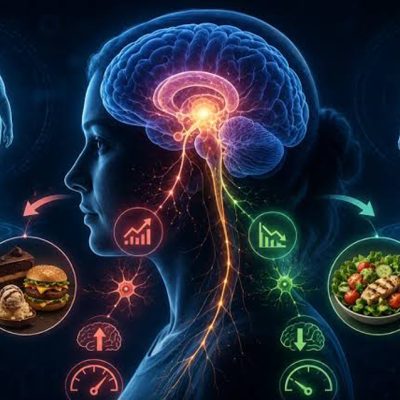
Your Brain May be Wired to Regain Lost Weight
For decades, we’ve been told that weight loss is a matter of willpower: eat less, move more. But modern science has proven this isn’t actually the case. More on that in a moment. But first, let’s go back a few hundred thousand years to examine our early human ancestors. Because we can blame a lot of the difficulty we have with weight loss today on our predecessors of the … [Read more...]
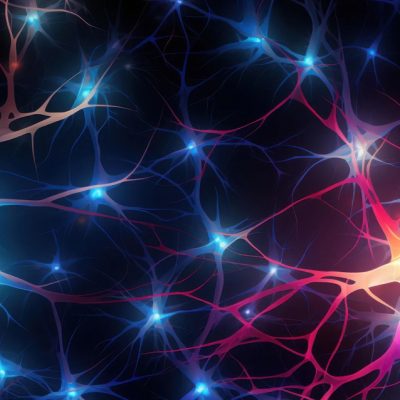
Scientists Discover a Hidden Brain Shift That Begins Sround Age 50
A study funded by the National Institutes of Health (NIH) has uncovered a major shift in the immune environment of the hippocampus, the part of the brain that plays a central role in learning and memory. The findings suggest that this immune remodeling begins in midlife and may help explain how aging contributes to the long lasting brain inflammation often seen in … [Read more...]

Forget The Sperm Race: Fertilization May Depend on Teamwork
Fertilization is commonly portrayed as an intense contest in which millions of sperm race toward a single egg. New research from evolutionary biologists at Syracuse University, University of Siena, Italy, and University of Szeged, Hungary, points to a more complex picture. In some species, reproductive success may depend not only on competition, but also on sperm working … [Read more...]
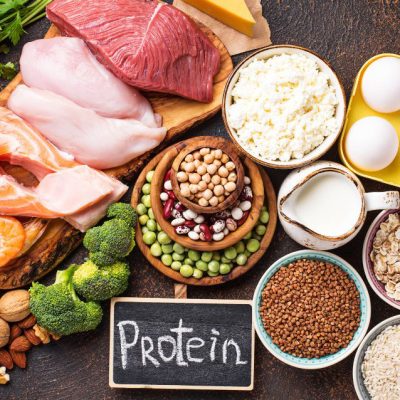
Scientists Say Most People Need More Protein Than Current Guidelines Suggest
A new paper published in Frontiers in Nutrition argues that current public health recommendations for exercise and protein intake are largely aimed at preventing deficiency, not helping people achieve the best possible long-term health, independence, and quality of life. The paper tackles several fundamental questions: How much protein do people really need? What types of … [Read more...]

Scientists Discover Why Exercise Reverses Muscle Aging
Scientists have uncovered a key reason why exercise is so effective at helping older muscles stay strong. A new study from Duke-NUS Medical School shows that physical activity can restore the natural repair systems that weaken with age, helping muscles recover and maintain function later in life. The research team, working with collaborators from Singapore General Hospital … [Read more...]

Takeaway Meals Contain More Salt Than Advertised, Study Finds
New research suggests that many of the UK's most popular takeout meals contain more salt than diners are led to believe. In some cases, a single meal provided well over the recommended daily limit, even though menu labels suggested otherwise. Researchers found that 47% of the takeout foods they tested contained more salt than their stated values. Curries, pasta dishes, and … [Read more...]
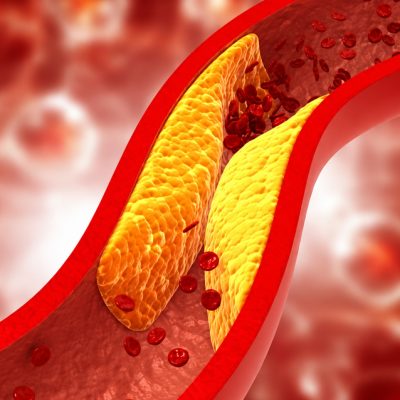
Millions May be Getting The Wrong Cholesterol Test
Millions of Americans have a blood test every year to measure LDL, often called "bad" cholesterol. But new research from Northwestern Medicine suggests that another test may do a better job of identifying who needs more aggressive treatment to reduce the risk of heart attacks and strokes. The study, published in JAMA, found that measuring apolipoprotein B (apoB) was more … [Read more...]
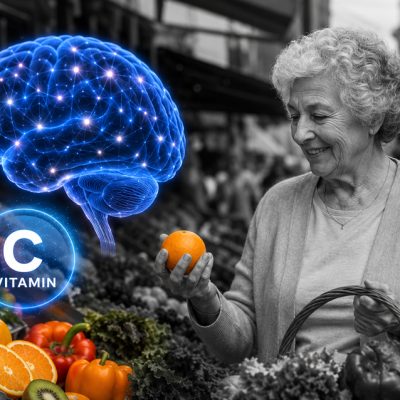
Scientists discover a surprising link between vitamin C and brain health
Researchers have found another clue that diet may influence how the brain ages. In a study of more than 2,000 older adults in Japan, people with lower levels of vitamin C in their blood tended to have less gray matter and weaker connections within an important brain network involved in memory and attention. While the findings do not prove that vitamin C protects the brain, they … [Read more...]
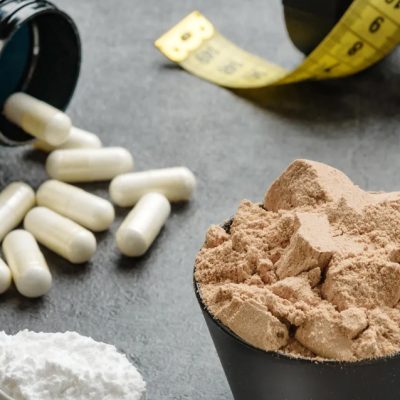
Creatine doesn’t just build muscle. It may also help fight cancer
Creatine is widely known as a supplement used by athletes and bodybuilders to improve strength and performance. Now, new research from UCLA suggests it may have another surprising role: helping the immune system mount a stronger attack against cancer. The study, published in iScience, found that creatine boosts the activity of dendritic cells, specialized immune cells that … [Read more...]
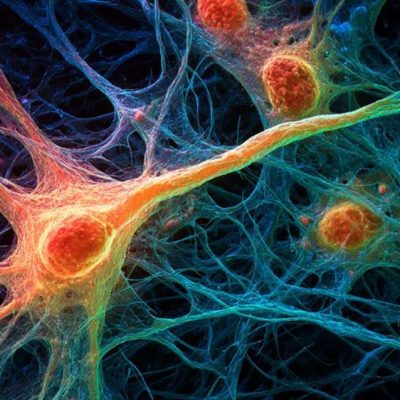
Scientists found the hidden switch fueling alzheimer’s brain inflammation
The brain has its own built in immune defenses that help detect threats and protect nerve cells. But growing evidence suggests that in Alzheimer's disease, these immune cells become stuck in a state of chronic activation. Instead of helping, they trigger ongoing inflammation that can damage the connections between brain cells. Now, researchers at Scripps Research have … [Read more...]

Tea can Improve your Health and Longevity, but the Way you Drink it Matters
The review confirms that tea, particularly green tea, plays a crucial role in preventing cardiovascular diseases (CVDs), obesity, diabetes, and certain types of cancer. Tea’s neuroprotective effects, ability to reduce muscle loss in seniors, and its anti-inflammatory and antimicrobial activities further highlight its potential health-promoting properties. However, the study … [Read more...]

Scientists Found the Strength Training Sweet Spot For a Longer Life
A long-running study suggests that 90 to 120 minutes of strength (resistance) training each week may be the ideal range for reducing the risk of death. The research, published online in the British Journal of Sports Medicine, followed participants for up to 30 years. The benefits were even greater when strength training was combined with aerobic exercise. However, … [Read more...]

The Supplements Older Adults Actually Need and the Ones They Don’t
The use of dietary supplements has increased sharply in recent years. Vitamins, minerals and other nutritional products are often marketed as simple ways to boost energy, support immunity, protect brain health or even promote longevity. For many people, taking supplements can feel like a sensible, proactive health habit. But this perception can be misleading. For people who … [Read more...]
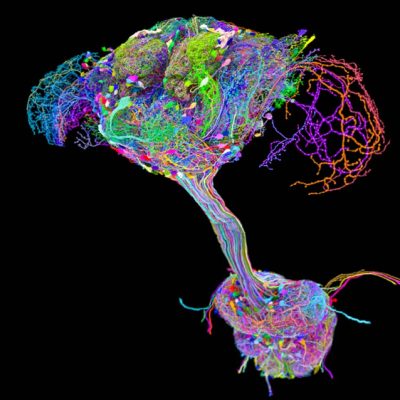
Scientists Mapped Every Neural Connection in a Fruit Fly and Found a Surprise
A large international research team led by groups at Harvard Medical School and Princeton University has reached a major neuroscience milestone by publishing a complete map of every connection between neurons in the central nervous system of an adult fruit fly. The achievement gives scientists a new way to examine how the brain and body work together to produce complex … [Read more...]

Millions take calcium and vitamin D for stronger bones. A major review finds little benefit
A comprehensive review published in The BMJ suggests that calcium supplements, vitamin D supplements, or taking both together provide little to no clinically meaningful benefit in preventing fractures or falls for most older adults. Falls are a major health concern among seniors. Nearly one in three people age 65 and older experiences a fall each year, and many of these … [Read more...]

New Study Debunks The Biggest Fear About Yo-yo Dieting
Repeated weight loss followed by weight regain, often called "yo-yo dieting" or weight cycling, has long been viewed as unhealthy and potentially even worse than staying overweight. However, a major new review published in The Lancet Diabetes & Endocrinology argues that this belief is not backed by strong scientific evidence. In an invited Personal View article, … [Read more...]
- 1
- 2
- 3
- …
- 428
- Next Page »
