
A recently identified molecule produced by skeletal muscle in response to exercise, has been shown to increase bone mass, according to a collaborative study between researchers at the Mount Sinai Bone Program, Icahn School of Medicine at Mount Sinai, the Department of Experimental and Clinical Medicine at University of Ancona in Italy, and the Department of Basic Medical … [Read more...]

New drugs could stop growth of drug-resistant childhood tumors: A Study
Current drugs may stop working against the most common type of brain tumor in children, medulloblastoma, but the tumor could be targeted in a new way, according to Stanford University scientists. In research to be published in the journal eLife, a team led by Prof. Matthew P. Scott at the University's School of Medicine tested a drug called Roflumilast in mice with a brain … [Read more...]

Specific fatty acids may worsen Crohn’s disease: A Duke University Study
Some research has suggested that omega-3 fatty acids, abundant in fish oils, can relieve inflammation in Crohn's disease. But a new study using software developed by Duke scientists hints that we should be paying closer attention to what the other omegas -- namely, omega-6 and omega-7 -- are doing to improve or worsen the disease. Crohn's disease is an inflammatory disease … [Read more...]

Diet, exercise, smoking habits and genes interact to affect AMD risk: A Study
People with a genetic predisposition for age-related macular degeneration (AMD) significantly increased their odds of developing the blinding eye disorder if they had a history of heavy smoking and consistently did not exercise or eat enough fruits and vegetables, according to an observational study of women funded by the National Eye Institute, part of the National Institutes … [Read more...]

Overweight firefighters more likely to attempt weight loss if advised by doctor: University of Texas Study
Overweight firefighters are twice as likely to attempt to lose weight if their health care provider gives them weight loss advice, according to new research from The University of Texas Health Science Center at Houston (UTHealth) School of Public Health. The results were published in this month's print edition of the American Journal of Preventive Medicine. More than 75 … [Read more...]
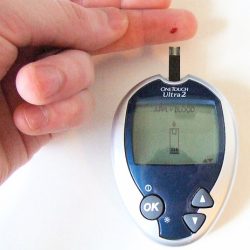
Analysis of 21 studies shows exposure to pesticides is associated with increased risk of developing diabetes
A meta-analysis of 21 studies presented at this year's annual meeting the European Association for the Study of Diabetes (EASD) shows that exposure to pesticides is associated with increased risk of developing diabetes by 61%, with different types of pesticides showing varying levels of risk. The study is by Giorgos Ntritsos, University of Ioannina, Greece, and Dr Ioanna … [Read more...]
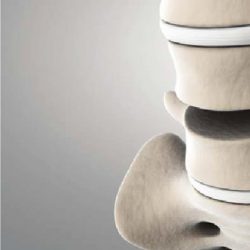
Artificial Disc Replacement
Even though most back problems get better on their own, about 600,000 Americans opt for surgery every year. Spinal fusion is the most common approach, but more and more people are choosing another technique. When 35-year-old Gara Little plays soccer with her four-year-old son now she does so almost pain free, which is a huge improvement from a few years ago. Little told … [Read more...]

Retinal Implants: Painting the Future
For the 15,000,000 Americans who have been diagnosed with macular degeneration, vision deteriorates slowly from the center of the eye, out. It’s the leading cause of blindness and there is no cure. Now, a new implant could keep these patients from completely losing their sight. Virginia Knepper Doyle’s art has been showcased around the world. She told Ivanhoe, “Oh, I’ve … [Read more...]

LAM Lung Disease
Women in their childbearing years are the targets of a rare lung disease most of us have never even heard of called LAM — now, for the first time ever, patients have an approved treatment to keep them on their feet. There’s very little that can slow Alison Hedervary these days, but for years, she would get short of breath with any activity. Doctors weren’t concerned until … [Read more...]

Vibrating capsule shows promising results in treating chronic constipation: Non-pharmacological therapy
An oral capsule that vibrates as it moves through the digestive tract has shown notable promise as a non-pharmacological treatment for constipation, according to new research presented today at Digestive Disease Week® (DDW). In the pilot study, the vibrating capsule was found to nearly double the weekly bowel movements of patients suffering from chronic idiopathic constipation … [Read more...]

IBS managed effectively with the right drugs, for the right symptoms: American Gastroenterological Association
Up to 15 percent of the general adult population is affected by irritable bowel syndrome (IBS), and most patients struggle to find effective drug therapy. A new guideline from the American Gastroenterological Association (AGA) provides these patients and their physician's guidance. The new guideline and accompanying technical review have been published in Gastroenterology, the … [Read more...]

Fluctuations in women’s weight happens monthly, naturally: Michigan State University Study
'Tis the season of plenty of food and drink. While celebrating should be joyful, for some women, it's not. All the holiday temptations can add another layer to an already complicated biological process. It's well known that women undergo hormonal changes every month due to the menstrual cycle. These changes can cause women to eat more, which is a natural, biological … [Read more...]

FDA approves new drug for binge eating disorder (BED)
The United States Food and Drug Administration (FDA) recently approved lisdexamfetamine dimesylate, under the brand name Vyvanse, to treat moderate to severe binge eating disorder (BED) in adults, a first of its kind prescription drug specifically indicated for BED. "TOS has long supported new tools to assist with treating obesity," says Martin Binks, PhD, TOS Secretary … [Read more...]

Eating disorders linked with financial difficulties in female students: University of Southampton Study
Experiencing financial difficulties at university may increase the risk of female students developing an eating disorder, according to new research from the University of Southampton and Solent NHS Trust. Conversely, the study also found that having extreme attitudes to food and eating predicted short-term financial difficulties for female students, suggesting the … [Read more...]

Binge drinking is strongly associated with eating problems among Russian girls: A Study
Adolescent binge drinking has been linked to a host of problems, including worse school performance, risky sexual behaviors, illicit drugs, and a greater risk of suicide. Binge drinking may also be linked to problematic eating behavior, yet little research exists. A study of the relationship between binge drinking and eating problems among Russian adolescents has found that … [Read more...]

How do anorexics control their appetite: A Study
Many adults, regardless of their weight, resolve to avoid fatty foods and unhealthy desserts. But despite one's best intentions, when the moment for decision comes, that chocolate lava cake is often too enticing and self-control vanishes. This behavior is normal because hunger increases the intensity of food rewards. Yet, individuals with anorexia nervosa (AN), despite their … [Read more...]

Treating breast cancer with progesterone could help survival: University of Adelaide Study
A special technique where breast cancer cells are "rescued" for research has been developed at the University of Adelaide. Coupled with advanced scientific technologies pioneered by Cambridge University this has provided a unique insight into the hormone regulation of breast cancers, which is expected to lead to new treatments for the disease. Published in the journal … [Read more...]

Better blood sugar control can help prevent decline in mental ability: A Study
People who have diabetes and experience high rates of complications are more likely to develop dementia as they age than people who have fewer diabetic complications, according to a new study published in the Endocrine Society's Journal of Clinical Endocrinology & Metabolism. An individual develops diabetes when the pancreas doesn't produce enough of the hormone insulin … [Read more...]

Low vitamin D among elderly associated with decline in cognition and dementia: University of California Study
Vitamin D insufficiency among the elderly is highly correlated with accelerated cognitive decline and impaired performance, particularly in domains such as memory loss that are associated with Alzheimer's disease and dementia, researchers with the UC Davis Alzheimer's Disease Center and Rutgers University have found. The effect is "substantial," with individuals with low … [Read more...]
Findings could shed light on cancer and aging: A Johns Hopkins University Study
Researchers at the Johns Hopkins University have found molecular evidence of how a biochemical process controls the lengths of protective chromosome tips, a potentially significant step in ultimately understanding cancer growth and aging. In a paper recently published as the cover story in the online journal eLife, biologist David C. Zappulla and graduate student Evan P. … [Read more...]
Solo grandparents raising grandchildren at greater risk than parents for serious health problems: Georgia State University Study
Single grandparents raising grandchildren are more vulnerable to poor physical and mental health than are single parents, according to a study recently published in Current Gerontology and Geriatrics Research. These caregivers may be at greater risk for diminished physical capacity and heightened prevalence of depression, researchers found. Researchers at Georgia State … [Read more...]

Anti-aging tricks from dietary supplement: Emory University Study
In human cells, shortened telomeres, the protective caps at the ends of chromosomes, are both a sign of aging and contribute to it. Scientists at Emory University School of Medicine have found that the dietary supplement alpha lipoic acid (ALA) can stimulate telomerase, the enzyme that lengthens telomeres, with positive effects in a mouse model of atherosclerosis. The … [Read more...]

Obese atrial fibrillation patients reduce risk more from fitness improvement than weight loss: American College of Cardiology Study
Obese atrial fibrillation patients have a lower chance of arrhythmia recurrence if they have high levels of cardiorespiratory fitness, and risk continues to decline as exercise capacity increases as part of treatment, according to a study published in the Journal of the American College of Cardiology. Cardiorespiratory fitness gain provides an incremental gain over weight … [Read more...]

Diabetes linked to bone health: University of Delaware Study
Diabetes, which now affects almost 30 million Americans, can cause serious health complications, including heart disease, blindness, kidney failure and lower-extremity amputations. A lesser-known but equally grave complication is the effect of diabetes on bone health. "Clinical trials have revealed a startling elevation in fracture risk in diabetic patients," says Liyun … [Read more...]

Effect of physical activity on cognition: A Study
Kaycee M. Sink, M.D., M.A.S., of the Wake Forest School of Medicine, Winston-Salem, N.C., and colleagues evaluated whether a 24-month physical activity program would result in better cognitive function, lower risk of mild cognitive impairment (MCI) or dementia, or both, compared with a health education program. Epidemiological evidence suggests that physical activity is … [Read more...]

Statistics on Physical Inactivity in the U.S.: Florida Atlantic University
What do a prominent physiologist and two-time survivor of pancreatic cancer and a world-renowned researcher whose landmark discoveries on aspirin, drug therapies of proven benefit and therapeutic lifestyle changes that have saved more than 1.1 million lives have in common? They are both passionate about the importance of regular physical activity in reducing risks of dying from … [Read more...]

Exercise is safe, improves quality of life for pulmonary hypertension patients: A Study
Exercise training for patients with pulmonary hypertension was shown to be safe and to improve quality of life, according to an analysis by UT Southwestern Medical Center cardiologists of studies involving more than 400 participants. Pulmonary hypertension is a type of high blood pressure that affects the lungs and heart, making it hard to breathe, or making one weary or … [Read more...]

Supplements, exercise could improve muscle mass and strength for older adults: Iowa State University Study
The loss of muscle strength and function, what's known as sarcopenia, is a natural part of aging. It's also a growing public health concern because of the risk for falls, injury and decline in quality of life. That's why an Iowa State University researcher is working to slow or reverse the progression of sarcopenia. Rick Sharp, a professor of kinesiology, is testing the … [Read more...]

‘Guilting’ teens into exercise won’t increase activity: University of Georgia Study
Just like attempts at influencing hairstyles or clothing can backfire, adults who try to guilt middle-schoolers into exercising won't get them to be any more active, according to a new study by University of Georgia researchers. The study, which appears in the September issue of the journal Medicine & Science in Sports & Exercise, found students who don't feel in … [Read more...]

High-intensity training does not delivers results for older women: American Physiological Society Study
High-intensity training (HIT) is often recommended as a way to improve cardiovascular fitness in men and women. HIT exercise can have a positive effect on a person's maximum oxygen consumption (VO2max) and mitochondrial oxidative phosphorylation (OXPHOS) capacity, the pathway that cells use to metabolize energy. However, studies on these exercise regimens have focused on … [Read more...]
- « Previous Page
- 1
- …
- 114
- 115
- 116
- 117
- 118
- …
- 429
- Next Page »