
Having survived cancer as a child does not necessarily have a ripple effect that makes people lead a healthier lifestyle once they grow up. In fact, in a report derived from a National Cancer Institute-funded study of childhood cancer survivors known as the Chicago Healthy Living Study, investigators found that childhood cancer survivors in no way adhere more closely to … [Read more...]

Recommended level of sodium could be associated with a higher risk of cardiac disease and mortality: University of Alabama Study
Recent studies suggest national dietary guidelines for sodium intake are unrealistic, and that the recommended level of sodium could be associated with a higher risk of cardiac disease and mortality. In an invited New England Journal of Medicine editorial, "Low Sodium -- Cardiovascular Health Benefit or Risk?" University of Alabama at Birmingham Distinguished Professor of … [Read more...]
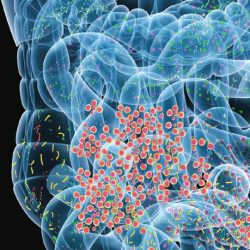
Early antibiotic exposure leads to lifelong metabolic disturbances: A Study
A new study published in Cell suggests that antibiotic exposure during a critical window of early development disrupts the bacterial landscape of the gut, home to trillions of diverse microbes, and permanently reprograms the body's metabolism, setting up a predisposition to obesity. Moreover, the study shows that it is altered gut bacteria, rather than the antibiotics, driving … [Read more...]

Value of registered dietitian nutritionists in treatment and prevention of diabetes: A Study
A new study, indicating that Americans have approximately a 40 percent risk of developing diabetes during their lifetime, offers more evidence that nutrition counseling provided by a registered dietitian nutritionist can help prevent or delay diabetes and its related health problems through lifestyle and dietary changes, according to the Academy of Nutrition and … [Read more...]

Single enzyme 12-LO develops of diabetes: Indiana University Study
An enzyme called 12-LO promotes the obesity-induced oxidative stress in the pancreatic cells that leads to pre-diabetes, and diabetes. 12-LO's enzymatic action is the last step in the production of certain small molecules that harm the cell, according to a team from Indiana University School of Medicine, Indianapolis. The findings will enable the development of drugs that can … [Read more...]

Human milk fat improves growth in premature infants: Baylor College of Medicine Study
For premature infants, adequate growth while in the neonatal intensive care unit is an indicator of better long-term health and developmental outcomes. Researchers at the USDA/ARS Children's Nutrition Research Center at Baylor College of Medicine and Texas Children's Hospital have now successfully incorporated a cream supplement into premature infants' diets that improved their … [Read more...]

Gut bacteria affecting both our cravings and moods to get us to eat what they want: University of New Mexico Study
It sounds like science fiction, but it seems that bacteria within us -- which outnumber our own cells about 100-fold -- may very well be affecting both our cravings and moods to get us to eat what they want, and often are driving us toward obesity. In an article published this week in the journal BioEssays, researchers from UC San Francisco, Arizona State University and … [Read more...]

Crowdsourcing may help dieters lose weight: A Study
Crowdsourcing may help dieters stick to healthy foods and lose weight, as participants are as good as trained experts at correctly rating the healthiness of foods and giving feedback on them, indicates research published online in the Journal of the American Medical Informatics Association. Being able to track energy intake and getting personalized feedback on diet have been … [Read more...]

Obesity paradox in survival from sepsis: University of Michigan Study
University of Michigan Health System researchers revealed an obesity paradox among older Americans suffering from sepsis. In a study of 1,404 Medicare beneficiaries, heavier patients were more likely to survive sepsis, a life-threatening infection that can lead to a stay in a hospital's intensive care unit. The findings, published in the August issue of Critical Care … [Read more...]
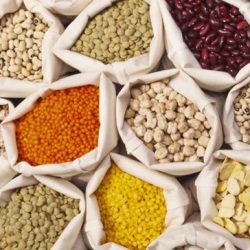
Eating more dietary pulses can increase fullness and help manage weight: Canadian Study
Eating about one serving a day of beans, peas, chickpeas or lentils can increase fullness, which may lead to better weight management and weight loss, a new study has found. A systematic review and meta-analysis of all available clinical trials found that people felt 31 per cent fuller after eating on average 160 grams of dietary pulses compared with a control diet, … [Read more...]

Pistachios may lower vascular response to stress in type 2 diabetes: A Study
Among people with type 2 diabetes, eating pistachios may reduce the body's response to the stresses of everyday life, according to Penn State researchers. "In adults with diabetes, two servings of pistachios per day lowered vascular constriction during stress and improved neural control of the heart," said Sheila G. West, professor of biobehavioral health and nutritional … [Read more...]

Healthy diet set early in life prevents childhood obesity: Australian Study
Promoting a healthy diet from infancy is important to prevent childhood obesity and the onset of chronic disease. This is the finding from a study published in the latest issue of Australian and New Zealand Journal of Public Health. Led by Rebecca Byrne from QUT, the study described quantity and diversity of food and drinks consumed by children aged 12-16 months. "The … [Read more...]

Wellness coaching can improves overall quality of life: A Study
Wellness coaching has become an increasingly prevalent strategy to help individuals improve their health and well-being. Recently, wellness coaching was found to improve quality of life, mood and perceived stress, according to a Mayo Clinic study published in Mayo Clinic Proceedings. Matthew Clark, Ph.D., L.P., lead author of the study and resiliency expert at the Mayo Clinic … [Read more...]
New glycan creams, micronutrient creams can reduce signs of aging skin: Duke University Study
For decades, dermatologists have been researching the genetic cause of aging skin so that the perfect antidote could be developed. When examining genes and proteins, a difference between younger and older looking skin has not been found. Now, dermatologists have a new theory -- the secret to aging skin may lie in the glycans, which are sugars on the surface of … [Read more...]

Eating at fast food, full service restaurants linked to more calories, poorer nutrition: University of Illinois Study
For adults, eating at both fast-food and full-service restaurants is associated with significant increases in the intake of calories, sugar, saturated fat, and sodium, according to a new study. The study, appearing early online in Public Health Nutrition, finds on days when adults ate at a restaurant, they consumed about 200 additional total daily calories whether they ate at … [Read more...]

Losing weight won’t necessarily make you happy: University College London Study
In a study of 1,979 overweight and obese adults in the UK, people who lost 5% or more of their initial body weight over four years showed significant changes in markers of physical health, but were more likely to report depressed mood than those who stayed within 5% of their original weight. The research, published in PLOS ONE, highlights the need to consider mental health … [Read more...]

Cell signaling pathway linked to obesity and type 2 diabetes: Purdue University Study
A Purdue University study shows that Notch signaling, a key biological pathway tied to development and cell communication, also plays an important role in the onset of obesity and Type 2 diabetes, a discovery that offers new targets for treatment. A research team led by Shihuan Kuang, associate professor of animal sciences, found that blocking Notch signaling in the fat … [Read more...]

Type 2 diabetics can live longer than people without the disease: Cardiff University Study
Patients treated with a drug widely prescribed for type 2 diabetes can live longer than people without the condition, a large-scale study involving over 180,000 people has shown. The findings indicate that a drug known as metformin, used to control glucose levels in the body and already known to exhibit anticancer properties, could offer prognostic and prophylactic benefits … [Read more...]

New school meal standards significantly increase fruit and vegetable consumption: A Study
New federal standards launched in 2012 that require schools to offer healthier meals have led to increased fruit and vegetable consumption, according to a new study from Harvard School of Public Health (HSPH) researchers. The study, the first to examine school food consumption both before and after the standards went into effect, contradicts criticisms that the new standards … [Read more...]

Mother’s diet linked to premature birth: A Study
Pregnant women who eat a "prudent" diet rich in vegetables, fruits, whole grains and who drink water have a significantly reduced risk of preterm delivery, suggests a study published on bmj.com today. A "traditional" dietary pattern of boiled potatoes, fish and cooked vegetables was also linked to a significantly lower risk. Although these findings cannot establish … [Read more...]

Low saturated fat diets don’t curb heart disease risk: A Study
Diets low in saturated fat don't curb heart disease risk or help you live longer, says a leading US cardiovascular research scientist and doctor of pharmacy in an editorial in the open access journal Open Heart. And current dietary advice to replace saturated fats with carbohydrates or omega 6-rich polyunsaturated fats is based on flawed and incomplete data from the 1950s, … [Read more...]

Eating less meat would protect water resources in dry areas: Aalto University Study
Eating less meat would protect water resources in dry areas around the world, researchers at Aalto University have found. Reducing the use of animal products can have a considerable impact on areas suffering scarce water resources, as meat production requires more water than other agricultural products. "Diet change together with other actions, such as reduction of food … [Read more...]

Eating resistant starch may help reduce red meat-related colorectal cancer risk: Australia Study
Consumption of a type of starch that acts like fiber may help reduce colorectal cancer risk associated with a high red meat diet, according to a study published in Cancer Prevention Research, a journal of the American Association for Cancer Research. "Red meat and resistant starch have opposite effects on the colorectal cancer-promoting miRNAs, the miR-17-92 cluster," said … [Read more...]

Eating baked and broiled fish weekly boosts brain health: University of Pittsburgh Study
Eating baked or broiled fish once a week is good for the brain, regardless of how much omega-3 fatty acid it contains, according to researchers at the University of Pittsburgh School of Medicine. The findings, published online recently in the American Journal of Preventive Medicine, add to growing evidence that lifestyle factors contribute to brain health later in … [Read more...]

Anorexia fueled by pride about weight loss: Rutgers University Study
Positive emotions -- even those viewed through a distorted lens -- may play an exacerbating role in fueling eating disorders like anorexia nervosa, which has a death rate 12 times higher for females between the ages of 15 and 24 than all other causes of death combined, according to a Rutgers study. In research published in Clinical Psychological Science, Edward Selby, an … [Read more...]

Team sport compensates for estrogen loss in women: University of Copenhagen Study
When women enter menopause, their estrogen levels taper. This increases their risk of cardiovascular disease. New research from University of Copenhagen shows that interval-based team sport can make up for this estrogen loss as it improves their conditions, reduces blood pressure and thereby protects the cardiovascular system. While aging and an array of physical … [Read more...]

Preventive ovarian surgery should be performed early for greatest benefit: A Study
The findings of a large international prospective study published in the Journal of Clinical Oncology suggest for the first time that women with BRCA1 mutations should have preventive ovarian surgery (prophylactic oophorectomy) by age 35, as waiting until a later age appears to increase the risk of ovarian cancer before or at the time of the preventive surgery. Women with a … [Read more...]
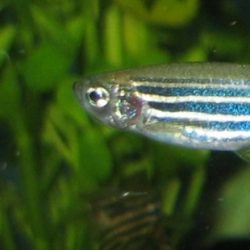
Scales of zebrafish suitable for identifying potential new drugs: Radboud University Study
The scales of the zebrafish are very suitable for identifying potential new drugs for treating bone diseases. This is good news because it means fewer mice and rats will be needed for that work. What's more, zebrafish are not killed when the scales are removed; they simply grow back. On 13 March, medical biologist Erik de Vrieze will receive his doctorate from Radboud … [Read more...]

Vitamin D deficiency may compromise immune function: A Study
Older individuals who are vitamin D deficient also tend to have compromised immune function, according to new research accepted for publication in the Endocrine Society's Journal of Clinical Endocrinology & Metabolism (JCEM). Vitamin D plays an important role in helping the body absorb calcium needed for healthy bones. The skin naturally produces vitamin D when it is … [Read more...]

Holidays in the sun could boost vitamin D: University of Edinburgh Study
Holidays abroad may hold the key to tackling Scotland's vitamin D deficiency, research suggests. People who take foreign breaks have higher levels of vitamin D in their blood, which has been linked to wide-ranging health benefits, a study has found. Farmers also have higher levels of the vitamin -- which is produced in the skin after exposure to sunlight -- according to the … [Read more...]
- « Previous Page
- 1
- …
- 46
- 47
- 48
- 49
- 50
- …
- 426
- Next Page »
