
Single use, disposable acupuncture needles were introduced in the late 1970s, prompted by concerns about the risk of infection of reusable needles. Since that time, they have gradually been adopted worldwide. In clinical practice it is often difficult for the acupuncturist to insert a long needle into tissue, because long fine needles are prone to buckling. Acupuncturists … [Read more...]
Alternative Health


Unscientific ‘alternative’ medicines: A Study
Experts writing in the Cell Press journal Trends in Molecular Medicine on August 20th call for an end to clinical trials of "highly implausible treatments" such as homeopathy and reiki. Over the last two decades, such complementary and alternative medicine (CAM) treatments have been embraced in medical academia despite budget constraints and the fact that they rest on dubious … [Read more...]

Two-step treatment of chronic pain in veterans: Indiana University Study
Although U.S. military veterans who have returned from Iraq or Afghanistan are more likely to suffer chronic pain than veterans of any other conflict in American history, little headway has been made in helping them manage the often debilitating effects of chronic pain. A new study by researchers from the Richard L. Roudebush VA Medical Center in Indianapolis, the Regenstrief … [Read more...]

Omega 3 can help children with ADHD (Attention Deficit Hyperactivity Disorder): A Swedish Study
Supplements of the fatty acids omega 3 and 6 can help children and adolescents who have a certain kind of ADHD. These are the findings of a dissertation at the Sahlgrenska Academy, University of Gothenburg, which also indicates that a special cognitive training program can improve problem behavior in children with ADHD. Between three to six percent of all school age children … [Read more...]

‘Darting’ mice may hold clues to Attention Deficit Hyperactivity Disorder (ADHD), autism, bipolar disorder: A Vanderbilt University Study
A darting mouse may hold an important clue in the development of Attention Deficit Hyperactivity Disorder (ADHD), autism and bipolar disorder, according to a study by a Vanderbilt University-led research team recently published in the Proceedings of the National Academy of Sciences. The transgenic mouse, into which was inserted a rare human genetic variation in the dopamine … [Read more...]

Treatment for genetically caused emphysema effective: A Study
A landmark clinical study in The Lancet provides convincing evidence that a frequently overlooked therapy for genetically-caused emphysema is effective and slows the progression of lung disease. Alpha-1 antitrypsin deficiency is an inherited disorder that can cause emphysema even without exposure to tobacco smoke. Alpha-1 antitrypsin (AAT) is a protein made in the liver that … [Read more...]

Biosimilar drug development: A Study
In the emerging biosimilar market, biosimilar antibodies are being developed to treat conditions currently addressed by their original, targeted biological therapy. Only a few biosimilars are approved by the EMA, and just one has been approved by the FDA. In a review article, researchers used the clinical development data from one drug to explore the broader benefits and risks … [Read more...]

Causes of brain damage in amyotrophic lateral sclerosis (ALS): A Thomas Jefferson University Study
Researchers look to understand the causes of amyotrophic lateral sclerosis (ALS), in the hope of finding new ways to treat the disease. A new study published online in the Cell Press journal Neuron shows that a common gene mutation in ALS generates a deadly protein that may cause the damage in the brain that leads to ALS. About 5 percent of ALS patients carry an altered … [Read more...]

‘Alzheimer’s protein’ plays role in maintaining eye health and muscle strength: A Study
Amyloid precursor protein (APP), a key protein implicated in the development Alzheimer's disease, may play an important role in eye and muscle health. In a new report published in the June 2015 issue of The FASEB Journal, scientists have discovered that when proteins that bind to the APP, called FE65 and FE65L1, are deleted, they cause cataracts and muscle weakness in mice. … [Read more...]

Yogic breathing shows promise in reducing symptoms of Posttraumatic stress disorder (PTSD): University of Wisconsin Study
One of the greatest casualties of war is its lasting effect on the minds of soldiers. This presents a daunting public health problem: More than 20 percent of veterans returning from the wars in Iraq and Afghanistan have post-traumatic stress disorder, according to a 2012 report by RAND Corp. A new study from the Center for Investigating Healthy Minds at the Waisman Center of … [Read more...]

Benefits and Dangers of Supplements: A Loyola University Study
From multivitamins to supplements that pledge to help with everything from depression to treating athlete's foot, whole stores are filled with these alternative medications. With so many options out there it can be difficult for patients to know what is beneficial or even where to start. "Today more than ever it's important for patients to work with their physician or … [Read more...]
Global surge in Attention Deficit Hyperactivity Disorder (ADHD) is Media Hype: A Brandeis University Study
You can't catch attention deficit hyperactivity disorder (ADHD). Yet the diagnosis and treatment of this behavioral condition is spreading like a contagion -- surging as much as tenfold in some countries. Call it an economic and cultural plague, but not necessarily a medical one, says Brandeis professor Peter Conrad. In a recent paper in the journal Social Science and … [Read more...]

New pathway reveals how immune system is regulated: University of Birmingham Study
Researchers from the University of Birmingham have identified an important new way in which our immune systems are regulated, and hope that understanding it will help tackle the debilitating effects of type 1 diabetes, rheumatoid arthritis and other serious diseases. The team discovered a novel pathway that regulates the movement of pathogenic immune cells from the blood … [Read more...]

Neurological outcomes for traumatic brain injury (TBI) treatments: A Study
In patients with a traumatic brain injury (TBI), neither the administration of the hormone erythropoietin (EPO) or maintaining a higher hemoglobin concentration through blood transfusion resulted in improved neurological outcome at 6 months, according to a study in the July 2 issue of JAMA. Transfusing at higher hemoglobin concentrations was associated with a higher risk of … [Read more...]

Treating insomnia in elderly reduces inflammation, lowers risk for chronic diseases: University of California Study
Lack of sleep can make you sick. And while everybody has the occasional restless night, for those who suffer from chronic insomnia -- some 15 percent of older adults in the United States -- that sleep loss can increase the risk for cardiovascular disease, hypertension, weight gain, type 2 diabetes, and even lead to an earlier death. The reason for the increased risk of … [Read more...]

Benefits and Risks of yoga found for bipolar disorder: A Brown University Study
Right now no one can say whether yoga provides clinical benefits to people with bipolar disorder, but in a new article in the Journal of Psychiatric Practice, researchers report survey responses they gathered from scores of people with the condition who practice yoga. What the collective testimony suggests is that yoga can be a substantial help, but it sometimes carries risks, … [Read more...]

Patients with chronic obstructive pulmonary disease (COPD) who manage stress, practice relaxation and participate in light exercise can boost their of quality of life: A Study
Coaching patients with chronic obstructive pulmonary disease to manage stress, practice relaxation and participate in light exercise can boost a patient's quality of life and can even improve physical symptoms, researchers at Duke Medicine report. In a study published online Sept. 25, 2014, in the journal Psychosomatic Medicine, Duke researchers examined how telephone-based … [Read more...]

Chinese herbal medicines cause of a fatal kidney wasting disease: A Study
Risk analysts have examined extensive health evidence to conclude that a toxin produced by a weed commonly found in certain grain fields in Balkan countries, and also used in Chinese herbal medicines, is the most likely cause of a fatal kidney wasting disease often found there. The results may also shed light on related diseases worldwide. In their new paper, "Evaluating … [Read more...]

Yoga and meditation may help train brain to help people control computers with their mind: University of Minnesota Study
New research by biomedical engineers at the University of Minnesota shows that people who practice yoga and meditation long term can learn to control a computer with their minds faster and better than people with little or no yoga or meditation experience. The research could have major implications for treatments of people who are paralyzed or have neurodegenerative … [Read more...]

Scientists map surface of immune cells: A German Study
The immune system must constantly adapt to its environment in order to protect a body effectively. The so-called T cells are an important example in this regard. One of their functions is to form the immune system's "memory." Researchers at the Helmholtz Zentrum München and the Technische Universität München recently examined the surface of precursors of these T cells and … [Read more...]

Poor pain control in Latino children after surgery: American Society of Anesthesiologists Study
More than two-thirds of children from low-income Latino families don't receive adequate pain control when they go home after surgery, according to a study being presented at the ANESTHESIOLOGY™ 2014 annual meeting. Obstacles to appropriate pain management include language barriers, misconceptions about pain management and a preference for alternative therapies, the study … [Read more...]

Molecular model for treating Alzheimer’s disease: A Japanese Study
Alzheimer's disease (AD), a severe form of dementia among aged individuals, is caused by accumulation of amyloid-beta (Aß) peptides in the brain. Numerous types of agents have been developed to suppress the production of Aß, by inhibiting the secretase-mediated cleavage of amyloid precursor protein (APP) into Aß peptides. However, because the secretases also play important … [Read more...]

Keeping mind and body active may not protect against Alzheimer: American Academy of Neurology Study
While participating in physical activities such as bike riding, dancing, walking and gardening and mentally stimulating activities such as crosswords and reading may reduce the risk of Alzheimer's disease, they may not do so by affecting the underlying markers for the disease, according to a study published in the June 10, 2015, online issue of Neurology®, the medical journal … [Read more...]
Ferric citrate may reduce dialysis patients’ need for multiple medications: American Society of Nephrology Study
A medication called ferric citrate may reduce dialysis patients' need to take multiple drugs that treat complications related to kidney disease. Clinical trial results appearing in an upcoming issue of the Journal of the American Society of Nephrology (JASN) indicate that the medication is safe and effective and may even help cut costs. More than 400,000 patients in the … [Read more...]

Chronic pain in whiplash injuries: A Northwestern University Study
While most people should expect to fully recover from whiplash injuries within the first few months, about 25 percent have long-term pain and disability that lasts many months or years. Using special MRI imaging, Northwestern Medicine scientists have identified, within the first one and two weeks of the injury, which patients will go on to develop chronic pain, disability … [Read more...]

Researchers identify new spectrum disorder called ALPIM syndrome: A Study
The relationship between mental and physical health is well established. But when mental and physical illnesses co-occur, patients' accounts of physical illness are sometimes arbitrarily discredited or dismissed by physicians. Research by Jeremy D. Coplan, MD, professor of psychiatry at SUNY Downstate Medical Center, and colleagues has documented a high rate of association … [Read more...]
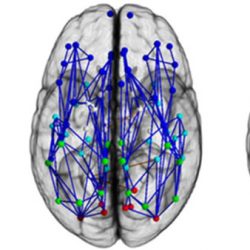
Scientists find genetic basis of brain networks seen in imaging studies: Stanford University Study
A new study by researchers at the Stanford University School of Medicine found that synchronized physiological interactions between remote brain regions have genetic underpinnings. The research was performed at Stanford but was made possible by collaborations with the Seattle-based Allen Institute for Brain Science and the IMAGEN Consortium, a multicenter European project, … [Read more...]

Drug for Common anemia found: American Society of Hematology Study
An experimental drug designed to help regulate the blood's iron supply shows promise as a viable first treatment for anemia of inflammation, according to results from the first human study of the treatment published online today in Blood, the Journal of the American Society of Hematology Anemia is a condition that occurs when red blood cells are in short supply or do not … [Read more...]

Drug for rare blood disorder, developed in US, receives orphan drug status from EU: University of Pennsylvania Study
A Penn Medicine-developed drug has received orphan status in Europe this week for the treatment of paroxysmal nocturnal hemoglobinuria (PNH), a rare, life-threatening disease that causes anemia due to destruction of red blood cells and thrombosis. Orphan status brings such benefits as tax incentives, market exclusivity for 10 years, possibilities for additional research … [Read more...]

Dangers and benefits of cognitive-enhancing drug use: University of Cambridge Study
The government, pharmaceutical industry, and national medical organizations need to work together to look at the harms and benefits of long-term use of cognitive-enhancing drugs by healthy individuals, say neuroscientists Professor Barbara Sahakian and Dr Sharon Morein-Zamir from the University of Cambridge in the UK, writing in a Personal View in The Lancet Psychiatry … [Read more...]
- « Previous Page
- 1
- …
- 13
- 14
- 15
- 16
- 17
- …
- 26
- Next Page »
