
A recent study by researchers at Johns Hopkins concludes that a substantial number of people with a history of the most frequent kind of non-melanoma skin cancers still get sunburned at the same rate as those without previous history, probably because they are not using sun-protective methods the right way or in the right amounts. The findings, which were based on … [Read more...]
Cancer


New Therapeutic Avenue in the Fight Against Cancer
A team of researchers led by professor Jean-Christophe Marine (VIB-KU Leuven) has identified NEAT1, a non-coding RNA, as a potential therapeutic target in the fight against cancer. In collaboration with the Cédric Blanpain lab (ULB), VIB researchers have shown that NEAT1 plays an important role in the survival of highly dividing cells -- and in particular of cancer cells. These … [Read more...]
Women with BRCA1 at High Risk of Uterine Cancer
Women who carry the BRCA1 gene mutation that dramatically increases their risk of breast and ovarian cancers are also at higher risk for a lethal form of uterine cancer, according to a study led by a Duke Cancer Institute researcher. This newly defined risk -- the first to show a conclusive link between the BRCA1 gene mutation and a small but significant chance of … [Read more...]
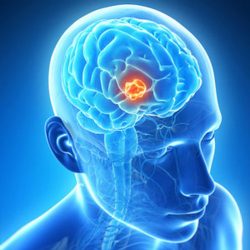
New Breakthrough in Brain Tumor Research
Scientists at Newcastle University, UK, have made a pioneering breakthrough in the understanding of how a fatal brain tumor grows -- which could lead to improved treatments for patients. Experts have found cells within the malignant brain tumor, glioma, rely on fats to fuel growth. This contradicts previous scientific belief that tumor cells require mainly sugars to … [Read more...]
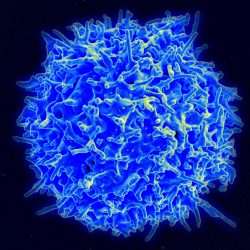
New method developed to wipe out cancerous tumors
Matthew Gdovin, an associate professor in the UTSA Department of Biology, has developed a newly patented method to kill cancer cells. His discovery, described in a new study in The Journal of Clinical Oncology, may tremendously help people with inoperable or hard-to-reach tumors, as well as young children stricken with cancer. Gdovin's top-tier research involves … [Read more...]
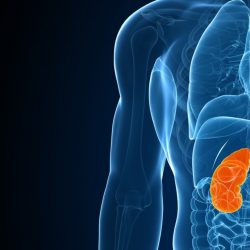
3D kidney helps doctors save woman’s organ
Doctors and scientists at Intermountain Medical Center in Salt Lake City printed and used a 3D kidney to help save a patient's organ during a complicated tumor-removal procedural. The 3D-printed model allowed doctors to study the patient's kidney in 3D to determine how to best remove the tumor as it was located in a precarious location adjacent to vital arteries and … [Read more...]

Olive Oil: Mycobacterium for cancer treatment
Researchers at the Universitat Autònoma de Barcelona (UAB) with the collaboration of the Institute for Bioengineering of Catalonia (IBEC), led by the professor of the UAB Department of Genetics and Microbiology Esther Julián, announced one year ago that the cells of the Mycobacterium brumae offer an improved alternative to current bladder cancer treatments such as BCG (an … [Read more...]
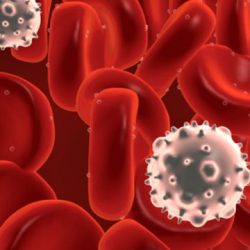
Faulty genetic instructions drive a deadly blood cancer in adults
Scientists have previously identified a series of genetic errors that commonly occur inside cancerous blood cells, but it hasn't been clear exactly how those genetic malfunctions create immature blood cells that overpopulate, crowd out healthy cells and spread in patients with acute myeloid leukemia or AML. Now, researchers at the University of North Carolina Lineberger … [Read more...]

Understanding the resistance to treatments against breast cancer
Estrogens are responsible for the survival and proliferation of tumor cells in 70% of all breast cancer cases. The most frequently used treatment to fight this variety of tumors relies on anti-estrogens such as tamoxifen. However, nearly a third of the patients develop a resistance to this type of therapy after a few years. In a study published in the journal Nucleic Acids … [Read more...]
Tumor cells develop predictable characteristics
Tumors are composed of many subpopulations of cells. A general consensus among scientists is that these subpopulations are due to random mutations. However, Moffitt Cancer Center researchers found that these assumptions may be incorrect. In a new article published in the journal Cancer Research, they report that certain subpopulations can be predicted and do not develop … [Read more...]

Obesity: The Switch for Cancer
Having established that excessive fat tissue can fuel the growth of certain cancers, researchers have turned their attention to the molecular mechanisms involved in the process in the hopes of developing new cancer treatments. The discovery of an on/off switch for a common obesity-associated malignancy could aid those efforts, report scientists from The University of … [Read more...]

Piping hot drinks can cause esophagus cancer?
Drinking piping hot coffee, tea and the caffeine-infused beverage yerba mate probably causes cancer, the World Health Organization announced Wednesday. Beverages surpassing 149 degrees Fahrenheit (65 degrees Celsius) may increase the risk of tumors in the esophagus, which resides in the chest area below the throat, according to USC's Mariana Stern and 22 other scientists … [Read more...]

Lung cancer survival rate increases by 73 percent if caught early
The UK Lung cancer screening trial (UKLS) has been successfully completed and demonstrated that patients with a high risk of developing lung cancer can be identified with early stage disease and have up to a 73% chance of surviving for five years or more. The UKLS trial was conducted by experts in the University of Liverpool. The UKLS was undertaken in partnership with … [Read more...]

Antibody-based drug helps ‘bridge’ leukemia patients to curative treatment
In a randomized Phase III study of the drug inotuzumab ozogamicin, a statistically significant percentage of patients with acute lymphoblastic leukemia (ALL) whose disease had relapsed following standard therapies, qualified for stem cell transplants. Inotuzumab ozogamicin, also known as CMC-544, links an antibody that targets CD22, a protein found on the surface of more … [Read more...]

Blood test supports use of potential new treatment for patients with stomach cancer: Institute of Cancer Research
Testing cancers for 'addiction' to a gene that boosts cell growth can pick out patients who may respond to a targeted drug under development, a major new study reports. By measuring the number of copies of just one gene from cancer DNA circulating in the bloodstream, scientists were able to identify the patients with stomach cancer who were most likely to respond to … [Read more...]

Chemotherapy and exercise: The right dose of workout helps side effects
Researchers at the University of Rochester Wilmot Cancer Institute discovered something simple and inexpensive to reduce neuropathy in hands and feet due to chemotherapy--exercise. The study, involving more than 300 cancer patients, is to be presented this weekend and honored as a "Best of ASCO" among 5,800 abstracts at the world's largest gathering of oncologists, the … [Read more...]
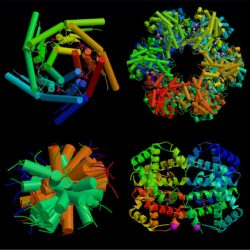
A New Study reveals insights into protein linked to cancer & Alzheimer’s disease
Drugs to treat cancer and Alzheimer's disease usually target the active sites of specific protein molecules sustaining the disease. Traditional drug design views proteins as rigid 3-D objects with active sites consisting of surface-accessible "pockets" with a specific, well-defined structure. Traditional drug design involves finding small molecules with shapes that fit … [Read more...]

Higher BMI, waist circumference are associated with increased risk of aggressive prostate cancer says a Study
A study of almost 150,000 men from 8 European countries, presented at this year's European Obesity Summit (Gothenburg, 1-4 June) shows that higher body mass index (BMI) and waist circumference are associated with an increased risk of aggressive prostate cancer. This analysis of the European Prospective Investigation into Cancer and Nutrition (EPIC) is by Dr Aurora … [Read more...]
University of Würzburg Scientists identify new drivers of a rare cancer type
Cancer researchers in Würzburg, in cooperation with the international Cancer Genome Atlas Research Network, have identified new genetic drivers of adrenal cancer. Würzburg was the center of coordination of the European scientists. Research teams from 39 institutions in Europe, Northern America, Southern America and Australia have collected and examined 91 adrenal cancer … [Read more...]

Experts Question Study Linking Cellphones, Cancer
Experts at the U.S. National Institutes of Health are questioning the validity of a widely reported study in rats that linked cellphone radiation to tumors. The study, released Friday by the federal government's National Toxicology Program (NTP), found "low incidences" of two types of tumors in male rats exposed to the type of radio frequencies emitted by cellphones, the … [Read more...]

A Boston University Study Reveals Breast and Ovarian Cancer may have similar origins
While breast cancer is the most common cause of cancer death in women worldwide, ovarian cancer also is a significant source of mortality as the fifth leading cause of cancer death among women. These facts reflect the continued need for further understanding and innovation in cancer treatment. A new study published in the International Journal of Molecular Sciences, … [Read more...]

A Study finds Elevated Cancer Risk among Women with New-Onset Atrial Fibrillation
Among nearly 35,000 initially healthy women who were followed-up for about 20 years, those with new-onset atrial fibrillation had an increased risk of cancer, according to a study published online by JAMA Cardiology. Atrial fibrillation (AF), the most common cardiac arrhythmia, is associated with an increased risk of major cardiovascular complications. A substantial … [Read more...]

University College London Research points to possible New Prevention Strategies for Ovarian Cancer
Research revealing early changes at epigenetic level points to possible new prevention strategies for ovarian cancer The discovery of early changes in the cells of the Fallopian tubes of women carrying the BRCA genetic mutation could open the way for new preventative strategies for ovarian cancer, reducing the need for invasive surgery, according to research published in … [Read more...]

Healthy lifestyle can prevent cancer: Washington University Study
A large proportion of cancer cases and deaths among U.S. individuals who are white might be prevented if people quit smoking, avoided heavy drinking, maintained a BMI between 18.5 and 27.5, and got moderate weekly exercise for at least 150 minutes or vigorous exercise for at least 75 minutes, according to a new study published online by JAMA Oncology. Cancer is a leading … [Read more...]

Childhood cancer survivors does not follow guidelines on healthy eating: A Study
Having survived cancer as a child does not necessarily have a ripple effect that makes people lead a healthier lifestyle once they grow up. In fact, in a report derived from a National Cancer Institute-funded study of childhood cancer survivors known as the Chicago Healthy Living Study, investigators found that childhood cancer survivors in no way adhere more closely to … [Read more...]

Blocking apoptotic response could preserve fertility in women receiving cancer treatments: University of Texas Study
Female cancer patients of reproductive age could preserve their fertility during radiation and chemotherapy through treatments that target the DNA damage response in oocytes (the cells that develop into eggs), an approach that works in animal models. Jackson Laboratory Assistant Professor Ewelina Bolcun-Filas, Ph.D., and Terri L. Woodward, M.D., assistant professor at the … [Read more...]

Cancer-fighting properties of horseradish: University of Illinois Study
Horseradish contains cancer-fighting compounds known as glucosinolates. Glucosinolate type and quantity vary depending on size and quality of the horseradish root. For the first time, the activation of cancer-fighting enzymes by glucosinolate products in horseradish has been documented. The humble horseradish may not be much to look at, but a recent University of Illinois … [Read more...]

Selenium, vitamin E supplements can increase risk of prostate cancer in men: A Study
A multi-center study led by Fred Hutchinson Cancer Research Center has found that high-dose supplementation with both the trace element selenium and vitamin E increase the risk of high-grade prostate cancer. But importantly, this risk depends upon a man's selenium status before taking the supplements. These findings, published in Journal of the National Cancer Institute, are … [Read more...]

Cancer risk perception could lead to adverse health outcomes in women: University of Missouri Study
According to recent studies, the U.S. has a disadvantage in women's life expectancy compared to peer countries despite high rates of health screenings such as mammography and popular national awareness campaigns. Recently, researchers at the University of Missouri examined the perceptions of risk among females and found that minority and less educated women believe that breast … [Read more...]

Gene therapy against brain cancer
A team from the International School for Advanced Studies (SISSA) in Trieste has obtained very promising results by applying gene therapy to glioblastoma. Tests in vitro and in vivo on mice provided very clear-cut results, and modelling demonstrates that the treatment targets at least six different points of tumour metabolism. Gene therapy, a technique that selectively attacks … [Read more...]
- « Previous Page
- 1
- 2
- 3
- 4
- 5
- 6
- …
- 38
- Next Page »
