
Overeating can lead to health issues that can shorten one's life, such as obesity, diabetes and heart disease. On the other end of the spectrum, several studies have shown that restricting calorie intake below what a normal diet would dictate may lead to a longer life. In an animal study, scientists now report in ACS' Journal of Proteome Research the metabolic reasons why these … [Read more...]
Nutrition & Wellness

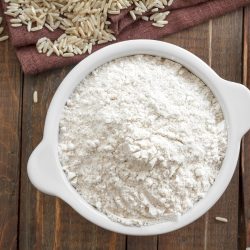
The Secret of Resistant Starch
The secret ingredient is in the flour, but its impact lies within the gut. Adding resistant starch to the diets of people with metabolic syndrome can improve bacteria in the gut, according to research from South Dakota State University. These changes help lower bad cholesterol and decrease inflammation associated with obesity. The American Heart Association estimates that 34 … [Read more...]

Coffee: Benefits outweigh Risks
Coffee is enjoyed by millions of people every day and the 'coffee experience' has become a staple of our modern life and culture. While the current body of research related to the effects of coffee consumption on human health has been contradictory, a study in the June issue of Comprehensive Reviews in Food Science and Food Safety, which is published by the Institute of Food … [Read more...]

Minimum legal drinking age of 21 can protect against later risk of death
The minimum legal drinking age (MLDA) in the U.S. regulates the age at which individuals can legally purchase and possess alcohol in public. An MLDA of 21 has been linked to a number of benefits, including a lower risk for alcoholism in adulthood. However, no studies have examined linkages between exposure to MLDAs during young adulthood and mortality later in life. This study … [Read more...]

Olive Oil: Mycobacterium for cancer treatment
Researchers at the Universitat Autònoma de Barcelona (UAB) with the collaboration of the Institute for Bioengineering of Catalonia (IBEC), led by the professor of the UAB Department of Genetics and Microbiology Esther Julián, announced one year ago that the cells of the Mycobacterium brumae offer an improved alternative to current bladder cancer treatments such as BCG (an … [Read more...]

Eating Patterns Are As Important As Eating Right
In a review of research on the effect of meal patterns on health, the few studies available suggest that eating irregularly is linked to a higher risk of metabolic syndrome (high blood pressure, type 2 diabetes and obesity). The limited evidence highlights the need for larger scale studies to better understand the impact of chrono-nutrition on public health, argue the authors … [Read more...]

Exercise four hours later to boost your memory!
A new study suggests an intriguing strategy to boost memory for what you've just learned: hit the gym four hours later. The findings reported in the Cell Press journal Current Biology show that physical exercise after learning improves memory and memory traces, but only if the workout is done in a specific time window and not immediately after learning. "It shows that … [Read more...]

Preference for sweet foods influenced by Age and Obesity
As young people reach adulthood, their preferences for sweet foods typically decline. But for people with obesity, new research suggests that the drop-off may not be as steep and that the brain's reward system operates differently in obese people than in thinner people, which may play a role in this phenomenon. "We believe we may have identified a new abnormality in the … [Read more...]

Can overeating lead to more eating?
A new study has uncovered a method by which the gut senses how much food a person eats and relays that to the brain. When the gut senses too many calories, a pathway that promotes the feeling of fullness becomes blocked. Through earlier studies on colon cancer, Thomas Jefferson University researchers led by Scott Waldman, M.D., Ph.D., Chair of the Department of Pharmacology … [Read more...]

What do my cravings say about my health?
After a stressful day, it's almost second nature to laze on the couch and drown our sorrows in a bowl of ice-cream or potato chips. Soon, we glance down and realize we've managed to consume the entire pint or bag. So, what makes these foods so irresistible -- causing us to mindlessly indulge? According to a Texas A&M Health Science Center registered dietitian, there's a … [Read more...]

Rehydrating with soda on a hot day may worsen dehydration: American Physiological Society Study
Repeated heat-related dehydration has been associated with increased risk of chronic kidney damage in mice. A new study in rats published in the American Journal of Physiology -- Regulatory, Integrative and Comparative Physiology reports that drinking soft drinks to rehydrate worsened dehydration and kidney injury. For four weeks, rats were exposed to mild heat-induced … [Read more...]

Mediterranean diet high in healthy fat does not lead to weight gain: A Lancet Study
Focus on low-fat diets and lack of differentiation between healthy and unhealthy fat has led to 'paradoxical policies' about healthy eating. Eating a non-calorie restricted Mediterranean diet high in vegetable fats such as olive oil or nuts does not lead to significant weight gain compared to a low-fat diet, according to a large randomised trial published in The Lancet … [Read more...]

Research Says Prepackaged portion-controlled meals can lead to greater weight loss than self-selected portions
Increased portion sizes in Americans' diets is widely recognized as a contributor to the obesity epidemic, and now new research published in Obesity, the scientific journal of The Obesity Society, examines the effect of prepackaged, portion-controlled meals on weight loss. The researchers found that when combined with behavioral counseling as part of a complete weight-loss … [Read more...]

Sugar substitutes may cut calories, but no health benefits for individuals with obesity: A York University Study
Artificial sweeteners help individuals with obesity to cut calories and lose weight but may have negative health effects, according to researchers at York University's Faculty of Health. "Our study shows that individuals with obesity who consume artificial sweeteners, particularly aspartame, may have worse glucose management than those who don't take sugar substitutes," says … [Read more...]
Low-salt diets may not be beneficial for all: McMaster University Study
A large worldwide study has found that, contrary to popular thought, low-salt diets may not be beneficial and may actually increase the risk of cardiovascular disease (CVD) and death compared to average salt consumption. In fact, the study suggests that the only people who need to worry about reducing sodium in their diet are those with hypertension (high blood pressure) and … [Read more...]

Geting the most nutrition from your calories and ‘enjoy the taste of eating right’: Academy of Nutrition and Dietetics
While taste drives most food choices, eating nutrient-rich foods that provide the most nutrition per calorie is one of the best ways to "Enjoy the Taste of Eating Right," according to the Academy of Nutrition and Dietetics. As part of the 2014 National Nutrition Month® theme, the Academy encourages everyone to choose the most nutritionally-packed foods you can from each of the … [Read more...]

Benefits of cooking and eating as a family: A Study
Make mealtime a family time. If you can get together for meals even a few times a week, family meals mean healthier eating -- and more. For National Nutrition Month®, the Academy of Nutrition and Dietetics encourages all families to make a commitment to eating more meals together and "Enjoy the Taste of Eating Right." "Research shows that family meals promote healthier … [Read more...]

Dieters should avoid friends and late night cravings: University of Birmingham Study
There's more to dieting than just sheer willpower and self-control. The presence of friends, late night cravings or the temptation of alcohol can often simply be too strong to resist. Research led by Heather McKee of the University of Birmingham in the UK monitored the social and environmental factors that make people, who are following weight management programs, cheat. The … [Read more...]

Vitamin A may help boost immune system to fight tuberculosis: University of California Study
Tuberculosis is a major global problem, affecting 2 billion people worldwide and causing an estimated 2 million deaths annually. Western countries are once again tackling the disease, with recent outbreaks in Los Angeles and London. The rise of drug-resistant TB, called a "ticking time bomb" by the World Health Organization, and the high cost of fighting the disease … [Read more...]

Recommended level of sodium could be associated with a higher risk of cardiac disease and mortality: University of Alabama Study
Recent studies suggest national dietary guidelines for sodium intake are unrealistic, and that the recommended level of sodium could be associated with a higher risk of cardiac disease and mortality. In an invited New England Journal of Medicine editorial, "Low Sodium -- Cardiovascular Health Benefit or Risk?" University of Alabama at Birmingham Distinguished Professor of … [Read more...]

Value of registered dietitian nutritionists in treatment and prevention of diabetes: A Study
A new study, indicating that Americans have approximately a 40 percent risk of developing diabetes during their lifetime, offers more evidence that nutrition counseling provided by a registered dietitian nutritionist can help prevent or delay diabetes and its related health problems through lifestyle and dietary changes, according to the Academy of Nutrition and … [Read more...]
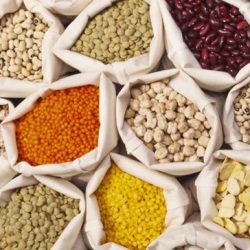
Eating more dietary pulses can increase fullness and help manage weight: Canadian Study
Eating about one serving a day of beans, peas, chickpeas or lentils can increase fullness, which may lead to better weight management and weight loss, a new study has found. A systematic review and meta-analysis of all available clinical trials found that people felt 31 per cent fuller after eating on average 160 grams of dietary pulses compared with a control diet, … [Read more...]

Healthy diet set early in life prevents childhood obesity: Australian Study
Promoting a healthy diet from infancy is important to prevent childhood obesity and the onset of chronic disease. This is the finding from a study published in the latest issue of Australian and New Zealand Journal of Public Health. Led by Rebecca Byrne from QUT, the study described quantity and diversity of food and drinks consumed by children aged 12-16 months. "The … [Read more...]

Eating at fast food, full service restaurants linked to more calories, poorer nutrition: University of Illinois Study
For adults, eating at both fast-food and full-service restaurants is associated with significant increases in the intake of calories, sugar, saturated fat, and sodium, according to a new study. The study, appearing early online in Public Health Nutrition, finds on days when adults ate at a restaurant, they consumed about 200 additional total daily calories whether they ate at … [Read more...]

New school meal standards significantly increase fruit and vegetable consumption: A Study
New federal standards launched in 2012 that require schools to offer healthier meals have led to increased fruit and vegetable consumption, according to a new study from Harvard School of Public Health (HSPH) researchers. The study, the first to examine school food consumption both before and after the standards went into effect, contradicts criticisms that the new standards … [Read more...]

Eating less meat would protect water resources in dry areas: Aalto University Study
Eating less meat would protect water resources in dry areas around the world, researchers at Aalto University have found. Reducing the use of animal products can have a considerable impact on areas suffering scarce water resources, as meat production requires more water than other agricultural products. "Diet change together with other actions, such as reduction of food … [Read more...]

Eating resistant starch may help reduce red meat-related colorectal cancer risk: Australia Study
Consumption of a type of starch that acts like fiber may help reduce colorectal cancer risk associated with a high red meat diet, according to a study published in Cancer Prevention Research, a journal of the American Association for Cancer Research. "Red meat and resistant starch have opposite effects on the colorectal cancer-promoting miRNAs, the miR-17-92 cluster," said … [Read more...]

Eating baked and broiled fish weekly boosts brain health: University of Pittsburgh Study
Eating baked or broiled fish once a week is good for the brain, regardless of how much omega-3 fatty acid it contains, according to researchers at the University of Pittsburgh School of Medicine. The findings, published online recently in the American Journal of Preventive Medicine, add to growing evidence that lifestyle factors contribute to brain health later in … [Read more...]

Vitamin D deficiency may compromise immune function: A Study
Older individuals who are vitamin D deficient also tend to have compromised immune function, according to new research accepted for publication in the Endocrine Society's Journal of Clinical Endocrinology & Metabolism (JCEM). Vitamin D plays an important role in helping the body absorb calcium needed for healthy bones. The skin naturally produces vitamin D when it is … [Read more...]

No link between eating dinner after 8pm and obesity in children: King’s College London Study
Researchers at King's College London have found no significant link between eating the evening meal after 8pm and excess weight in children, according to a paper published this month in the British Journal of Nutrition. Previous evidence suggested that the timing of food intake can have a significant impact on circadian rhythms (i.e. the body's internal daily clock) and … [Read more...]
- « Previous Page
- 1
- …
- 6
- 7
- 8
- 9
- 10
- …
- 44
- Next Page »
