
Kristopher Kaliebe, MD, Clinical Assistant Professor of Psychiatry at the LSU Health Sciences Center New Orleans School of Medicine, offers parents and caregivers three simple family-oriented goals to overcome the complex problem of childhood obesity and related mental disorders. They involve limit setting to address the brain's "get more" drive strengthened through habitual … [Read more...]
Weight Management


Risk of weight gain deters some smokers to quit: Penn State College of Medicine Study
Smokers may avoid treatment to quit smoking if they previously gained weight while trying to quit, according to researchers at Penn State College of Medicine. Weight gain is a predictable occurrence for smokers who have recently quit. Within the first year after quitting, they gain an average of eight to 14 pounds, and some smokers report that they keep smoking simply … [Read more...]

Supermarket access key ingredient to success in obesity programs:
Living close to a supermarket appears to be a key factor in the success of interventions to help obese children eat better and improve their weight, according to a study to be presented Saturday, May 3, at the Pediatric Academic Societies (PAS) annual meeting in Vancouver, British Columbia, Canada. Urban neighborhoods and rural towns without access to fresh, healthy and … [Read more...]

Gut microbes trigger fat loss in response to cold temperatures: A Study
Exposure to cold temperatures is known to mimic the effects of exercise, protecting against obesity and improving metabolic health. A study published December 3 in Cell now reveals that the beneficial health effects of cold exposure are mediated in part by gut microbes. The researchers found that cold exposure dramatically alters the composition of intestinal bacteria … [Read more...]

Information technology can simplify weight-loss efforts: University of Missouri Study
According to the Centers for Disease Control and Prevention (CDC), 69 percent of adults in the United States are currently overweight or obese, which puts these individuals at increased risk for chronic health problems. Although weight loss decreases this risk, statistics show that dieters often fail multiple times before meeting their goals. Now, MU researchers have found that … [Read more...]
Fattening gene discovered: A Study
The long-term consumption of too much high-energy and high-fat food leads to overweight. Behind this trivial statement lies the extremely complex regulation of lipid metabolism. Together with colleagues from Japan, scientists from the Max Planck Institute for Heart and Lung Research in Bad Nauheim have now discovered that the Sirt7 gene plays a central role in energy … [Read more...]

Concept of ‘healthy’ obesity challenged: American College of Cardiology Study
Obese individuals who have no signs of cardiovascular disease show a much higher prevalence of early plaque buildup in the arteries compared to healthy normal weight individuals, according to a study published in the Journal of the . The study challenges the idea of "healthy" obesity, and researchers recommend all obese individuals be counseled about their risks for … [Read more...]

Very overweight teens face stigma and discrimination: A Study
Very overweight teens face a social world of stigma, discrimination, and isolation because of their body size, reveals an analysis of their views, published in the online journal BMJ Open. And they have to overcome many other additional barriers to lose weight, making it especially hard for them to shed the pounds, the findings suggest. The latest figures suggest that … [Read more...]

Sugar-sweetened beverages contribute to U.S. obesity epidemic: A Study
In response to the ongoing policy discussions on the role of sugar-sweetened beverages (SSBs) on weight and health, The Obesity Society (TOS) concludes that SSBs contribute to the United States' obesity epidemic, particularly among children. Based on an in-depth analysis of the current research, TOS's position statement unveiled today provides several recommendations for … [Read more...]

Genetics explain why some kids are bigger than others: University College London Study
The influence of genetic factors on differences between children's Body Mass Index (BMI) increases from 43% at age 4 to 82% at age 10, reports a new study by researchers at UCL and King's College London. The research, published in the journal Obesity, combined twin and genomic analyses in 2556 pairs of twins from the Twins Early Development Study. Data were collected in … [Read more...]

Weight Loss protects Knees: A Study
Obese people who lose a substantial amount of weight can significantly slow the degeneration of their knee cartilage, according to a new MRI study presented today at the annual meeting of the Radiological Society of North America (RSNA). Obesity is a major risk factor for osteoarthritis, a degenerative joint disease that affects more than a third of adults over the age of … [Read more...]

Patient loses over 120 pounds without surgery with medication: Loyola University Study
For much of his life Tom Hoppensteadt thought the best thing to do with a scale was to avoid it. When he was diagnosed with a low-grade lymphoma at age 50 and learned he weighed over 300 pounds, it sounded an alarm. "Through my 40s I didn't lead a healthy lifestyle. I ate what I wanted to eat and didn't exercise at all. I really was just very inactive. I knew what I should … [Read more...]

Unfit, lean people are better protected against heart attacks than fit and obese people: Umeå University Study
In a study published in the European Heart Journal, an Umeå research team has shown that physical fitness in your teens can reduce the risk of heart attack later in life, while men who are fit and obese in their teens run a higher risk of having a heart attack than unfit, lean men. In the study, Gabriel Högström, Anna Nordström and professor at the Department of Community … [Read more...]

Ironic and surprising effects of weight stigma: University of California Study
If you're one of the millions of people who count losing weight among their top New Year's resolutions, you might want to pay careful attention to some new findings by UC Santa Barbara psychology professor Brenda Major. It turns out that the weight-stigmatizing messages presented by the media -- the ones that characterize overweight individuals as lazy, weak-willed, … [Read more...]

Keys to successful long-term weight loss maintenance: Miriam Hospital Study
Researchers from The Miriam Hospital have published one of the first studies of its kind to follow weight loss maintenance for individuals over a 10-year period. The results show that long-term weight loss maintenance is possible if individuals adhere to key health behaviors. The study is published in the January 2014 issue of the American Journal of Preventive Medicine. J. … [Read more...]

Community-based weight loss program aids diabetes management: A University of California Study
Weight loss and control of blood sugar can reduce the risk of complications in patients with diabetes but this is difficult for many to achieve. A University of California, San Diego School of Medicine randomized controlled trial of obese adults with type 2 diabetes suggests that participants enrolled in a community-based structured weight loss program are able to shed more … [Read more...]

Glaucoma drug helps women with blinding disorder linked to obesity: A Study
An inexpensive glaucoma drug, when added to a weight loss plan, can improve vision for women with a disorder called idiopathic intracranial hypertension (IIH), according to a study funded by the National Institutes of Health. IIH, also called pseudotumor cerebri, predominantly affects overweight women of reproductive age. An estimated 100,000 Americans have it, and the … [Read more...]

Key milestone for brown fat research: University of Warwick Study
The first MRI scan to show 'brown fat' in a living adult could prove to be an essential step towards a new wave of therapies to aid the fight against diabetes and obesity. Researchers from Warwick Medical School and University Hospitals Coventry and Warwickshire NHS Trust used a magnetic resonance imaging (MRI) based method to identify and confirm the presence of brown … [Read more...]

Weight gain in children occurs after tonsil removal: A Study
Weight gain in children after they have their tonsils removed (adenotonsillectomy) occurs primarily in children who are smaller and younger at the time of the surgery, and weight gain was not linked with increased rates of obesity. About 500,000 children in the United States have their tonsils removed each year. The childhood obesity rate prompted reevaluation of the … [Read more...]

Bariatric surgery health benefits: A Swedish Study
Bariatric surgery has positive effects not only on weight loss but also on diabetes and heart disease. Researchers at the Sahlgrenska Academy and University of Cincinnati have shown that the health benefits are not caused by a reduction in the stomach size but by increased levels of bile acids in the blood. These findings, reported in Nature, indicate that bile acids could be a … [Read more...]

Food odors activate impulse area of the brain in obese children: A Study
The area of the brain associated with impulsivity and the development of obsessive-compulsive disorder is activated in obese children when introduced to food smells, according to a study being presented next week at the annual meeting of the Radiological Society of North America (RSNA). "In order to fight obesity, it is crucial to understand the brain mechanisms of odor … [Read more...]

Stored fat fights against the body’s attempts to lose weight: University of Cambridge Study
The fatter we are, the more our body appears to produce a protein that inhibits our ability to burn fat, suggests new research published in the journal Nature Communication. The findings may have implications for the treatment of obesity and other metabolic diseases. Most of the fat cells in the body act to store excess energy and release it when needed but some types of fat … [Read more...]

Expect changes in appetite, taste of food after weight loss surgery: A Study
Changes in appetite, taste and smell are par for the course for people who have undergone Roux-en-Y gastric bypass surgery during which one's stomach is made smaller and small intestines shortened. These sensory changes are not all negative, and could lead to more weight loss among patients, says Lisa Graham, lead author of a study by researchers from Leicester Royal … [Read more...]

Obesity can amplify bone and muscle loss: Florida State University Study
Florida State University researchers have identified a new syndrome called "osteosarcopenic obesity" that links the deterioration of bone density and muscle mass with obesity. "It used to be the thinking that the heavier you were the better your bones would be because the bones were supporting more weight," said Jasminka Ilich-Ernst, the Hazel Stiebeling Professor of … [Read more...]

Residing in high altitude military facilities protects service members from obesity: A Study
Overweight U.S. service members are 41 percent less likely to transition to clinical obesity when stationed at military facilities located at high altitude, according to a new study published today in the peer-reviewed journal, PLoS One. The quasi-experimental, retrospective study assessed the health records and migration patterns of nearly 100,000 enlisted service members … [Read more...]

Oft-assumed reasons for racial obesity disparities may not be only cause: University of Alabama Study
Racial disparities in obesity rates among the third of U.S. adults considered obese are often blamed on socioeconomic status because of its influence on diet and physical activity, but new findings from the University of Alabama at Birmingham published in Obesity suggest otherwise — particularly for women. Non-Hispanic blacks in the United States have the highest … [Read more...]

Long-term antibiotic treatment for Q fever causes weight gain: A French Study
Scientists have unearthed still more evidence that antibiotics can contribute to obesity. Research published ahead of print in the journal Antimicrobial Agents and Chemotherapy suggests that patients on long-term antibiotic treatment gained weight and had significant changes in their gut microbiota. The study, led by Didier Raoult, of Aix-Marseille University, Marseille, … [Read more...]

Obesity: Are lipids hard drugs for the brain?: A Study
Why can we get up for a piece of chocolate, but never because we fancy a carrot? Serge Luquet's team at the "Biologie Fonctionnelle et Adaptative" laboratory (CNRS/Université Paris Diderot) has demonstrated part of the answer: triglycerides, fatty substances from food, may act in our brains directly on the reward circuit, the same circuit that is involved in drug addiction. … [Read more...]
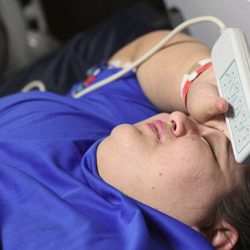
Obesity spells problems for trauma patients: American Academy of Orthopaedic Surgeons Study
A new study appearing in the November 18 issue of the Journal of Bone & Joint Surgery (JBJS) found a link between obesity and a higher risk for surgery in orthopaedic trauma patients. In addition, researchers found that patients with obesity had longer hospital stays and greater treatment costs. They were also more likely to be discharged to a care facility, rather than to … [Read more...]
Weight-loss surgery reduces sugar cravings: A Study
Weight loss surgery curbs the sweet tooth by acting on the brain's reward system, according to a study published November 19 in Cell Metabolism. The researchers found that gastrointestinal bypass surgery, which is used to treat morbid obesity and diabetes, reduced sugar-seeking behavior in mice by reducing the release of a reward chemical called dopamine in the brain. The … [Read more...]
- « Previous Page
- 1
- …
- 11
- 12
- 13
- 14
- 15
- …
- 28
- Next Page »
