
Obese and overweight Americans who have tried losing weight report far greater overall satisfaction with weight loss surgery and prescription weight loss medications than with diet, exercise and other self-modification methods, an Internet survey finds. "This finding may mean that diet and exercise alone just don't work for a lot of people," said Z. Jason Wang, PhD, the … [Read more...]
Weight Management


In gastric bypass patients, percent of weight loss differs by race and ethnicity: A Study
Non-Hispanic white patients who underwent a gastric bypass procedure lost slightly more weight over a three-year period than Hispanic or black patients, according to a Kaiser Permanente study published in the journal Surgery for Obesity and Related Diseases. The study also examined two types of bariatric surgery and found that patients who underwent the now common gastric … [Read more...]

Obesity myths: University of Alabama Study
Researchers at the University of Alabama at Birmingham say it is time to abandon some popular but erroneous obesity myths. In an article published June 23 in Critical Reviews in Food Science and Nutrition, the research team presents nine obesity myths and 10 commonly held but unproven presumptions that the authors suggest lead to poor policy decisions, inaccurate public health … [Read more...]

Bone loss persists two years after weight loss surgery: A Study
A new study shows that for at least two years after bariatric surgery, patients continue to lose bone, even after their weight stabilizes. The results -- in patients undergoing gastric bypass, the most common type of weight loss surgery. "The long-term consequences of this substantial bone loss are unclear, but it might put them at increased risk of fracture, or breaking a … [Read more...]
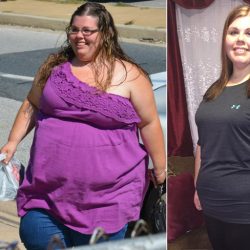
Bariatric surgery better than intensive lifestyle, drug interventions at reversing diabetes: University of Washington Study
New research shows that bariatric surgery (also known as obesity surgery) is much more effective than an intensive lifestyle/medication intervention at reversing type 2 diabetes in patients with only mild-to-moderate obesity. The study is published in Diabetologia (the journal of the European Association for the Study of Diabetes [EASD]) and is by Dr David E. Cummings, … [Read more...]

Boosting fat-burning by blocking Gq proteins: University of Bonn Study
The number of overweight people is increasing worldwide -- and thus the risk of developing diabetes or cardiovascular disease. For this reason, many dream of an active substance which would simply melt off fat deposits. An international team of scientists has now come one small step closer to this dream: The team discovered a switch in the fat cells of mice and humans with … [Read more...]

Public transport, walking and cycling to work lead to reduction in body fat: A Study
Adults who commute to work via cycling or walking have lower body fat percentage and body mass index (BMI) measures in mid-life compared to adults who commute via car, according to a new study in The Lancet Diabetes & Endocrinology journal. Even people who commute via public transport also showed reductions in BMI and percentage body fat compared with those who commuted … [Read more...]
Bariatric surgery may reduce life expectancy for super obese diabetic patients: University of Cincinnati Study
Bariatric surgery improves life expectancy for many obese diabetic patients, but it may cut life expectancy for patients who are super obese with very high body mass indexes, according to a University of Cincinnati researcher. "For most patients with diabetes and a BMI (body mass index) greater than 35, bariatric surgery increases life expectancy," says Daniel Schauer, MD, … [Read more...]

Childhood predictors of adult obesity: A Study
Will your child be a slim adult? A novel new study published in PLOS ONE asked 532 international English speaking adults to submit or "crowd-source" predictors of whether a child is going to be an overweight or a slim adult. Each participant offered what they believed to be the best predictor of what a child would weigh as an adult and submitted it in the form of a question. … [Read more...]

Cars, computers, TVs spark obesity in developing countries: A Canadian Study
The spread of obesity and type-2 diabetes could become epidemic in low-income countries, as more individuals are able to own higher priced items such as TVs, computers and cars. The findings of an international study, led by Simon Fraser University health sciences professor Scott Lear, are published today in the Canadian Medical Association Journal. Lear headed an … [Read more...]

Increase in obesity may be slowing but not by much: A University of Illinois Study
In his 2014 State of the Union address, President Barack Obama referred to an August 2013 Centers for Disease Control and Prevention study that showed a decline in the obesity rate among low-income pre-school children, saying, "Michelle's Let's Move! partnership with schools, businesses and local leaders has helped bring down childhood obesity rates for the first time in 30 … [Read more...]
Lead exposure linked to obesity: University of Michigan Study
Exposure to lead during early development can alter the the gut microbiota, increasing the chances for obesity in adulthood, researchers from the University of Michigan School of Public Health have found. Adult male mice exposed to lead during gestation and lactation were 11 percent larger than those not exposed, due to differences in their gut microbiota, which is the … [Read more...]

Birth of a sibling potentially linked to healthier BMIs for elder children: University of Michigan Study
Becoming a big brother or big sister before first grade may lower a child's risk of becoming obese, a new study led by the University of Michigan suggests. The birth of a sibling, especially when the child was between about 2 and 4 years old, was associated with a healthier body mass index (BMI) by first grade, according to the research. Children the same age who didn't have … [Read more...]

Adolescents salt intake correlates with obesity and inflammation: Georgia Regents University Study
Most adolescents consume as much salt as adults -- some more than twice the recommended daily allowance -- and that high sodium intake correlates with fatness and inflammation regardless of how many calories they consume, researchers report. In a study of 766 healthy teens, 97 percent self-reported exceeding the American Heart Association's recommendation of consuming less … [Read more...]

Most parents fail to recognize if their child is overweight: University of Nebraska Study
Even though childhood obesity rates in the U.S. have tripled during the past 30 years, more than half of parents do not recognize that their child is overweight, according to a meta-analysis study conducted by UNL graduate student Alyssa Lundahl and her adviser, Timothy Nelson, an assistant professor of psychology. Seeking a clear answer on when and whether parents realize … [Read more...]

Obesity in men could dictate future colon screenings: Michigan State University Study
Obesity is a known risk factor for many cancers including colon cancer, yet the reasons behind the colon cancer link have often remained unclear. A Michigan State University study is shedding more light on the topic and has shown that elevated leptin -- a fat hormone -- higher body mass index and a larger waistline in men is associated with a greater likelihood of having … [Read more...]

Inflammation in fat tissue helps prevent metabolic disease: A Swedish Study
Chronic tissue inflammation is typically associated with obesity and metabolic disease, but new research from UT Southwestern Medical Center now finds that a level of "healthy" inflammation is necessary to prevent metabolic diseases, such as fatty liver. "There is such a thing as 'healthy' inflammation, meaning inflammation that allows the tissue to grow and has overall … [Read more...]

Diabetes drug appears to work for weight management: St. Luke’s-Roosevelt Hospital Study
Nondiabetic obese and overweight people lose more weight, are more likely to reverse prediabetes and are slower to develop type 2 diabetes when they take the diabetes drug liraglutide in addition to dieting and exercising, a new study finds. The results of the multicenter study were presented recently at the joint meeting of the International Society of Endocrinology and the … [Read more...]

Soft-drink tax worth its weight in lost kilos: A Study
A tax on sweetened soft drinks could be an effective weapon in the war against obesity, generating weight losses of up to 3.64 kilograms as individuals reduce their consumption. Researchers from Monash University, Imperial College London and University of York and Lancaster University, England have estimated the extent to which drinking habits would change if beverages such … [Read more...]
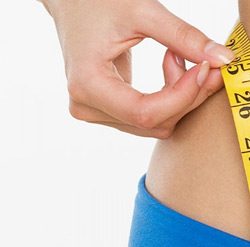
Measuring waist circumference would improve detection of children, adolescents with cardiometabolic risk: A Spanish Study
A study led by researchers from IMIM (Hospital del Mar Medical Research Institute) and published in the journal PLoS One concludes that including waist circumference measurements in clinical practice, together with the traditional height and weight measurements, would make it easier to detect children and adolescents with cardiometabolic risk, i.e. those with a higher … [Read more...]

Obesity-induced fatty liver disease reversed: A Study
Johns Hopkins researchers have discovered that valproic acid, a widely prescribed drug for treating epilepsy, has the additional benefits of reducing fat accumulation in the liver and lowering blood sugar levels in the blood of obese mice. A summary of their research appears in this month's issue of the journal Molecular Pharmacology. Fatty liver disease can lead to liver … [Read more...]

Relationship with your mother increase child’s chances of obesity: University of Illinois Study
Could the quality of your attachment to your parents affect your own child's risk for obesity? A new University of Illinois study says it can. "If your mother regularly punished or dismissed your anger, anxiety, or sadness instead of being sensitive to your distress and giving you strategies for handling those feelings, you may be insecurely attached and parenting your … [Read more...]
Tighter economic regulation needed to reverse obesity epidemic: A Study
Governments could slow -- and even reverse -- the growing epidemic of obesity by taking measures to counter fast food consumption, according to a study published in the Bulletin of the World Health Organization today. The study, by a team of researchers based in the United States and Ireland, is the first to look at the effects of deregulation in the economy, including the … [Read more...]

Peanuts and peanut butter may hold key to preventing obesity: University of Houston Study
Hispanic middle school children, at high risk for being overweight or obese, reduced their Body Mass Index (BMI) when they adhered to a nutrition intervention that included a snack of peanuts, compared to those children who did not. The 12-week study was conducted by researchers at the University of Houston Department of Health and Human Performance (HHP), Baylor College of … [Read more...]

Five-year outcomes following bariatric surgery in patients with BMIs of 50 to 60: A Norwegian Study
The bariatric surgical procedure biliopancreatic diversion with duodenal switch resulted in more weight loss and better improvement in blood lipids and glucose five years after surgery compared with usual gastric bypass surgery but duodenal switch was associated with more long-term surgical and nutritional complications and more adverse gastrointestinal effects, according to a … [Read more...]

Rapid and unexpected weight gain after fecal transplant: A Study
A woman successfully treated for a recurrent Clostridium difficile infection with stool from an overweight donor rapidly gained weight herself afterwards, becoming obese, according to a case report published in the new journal Open Forum Infectious Diseases. Fecal microbiota transplant (FMT) is a promising treatment for relapsing C. difficile infections, a common cause of … [Read more...]

High-altitude weight loss may have an evolutionary advantage: A Study
Weight loss at high altitudes -- something universally experienced by climbers and people who move to higher terrain -- may not be a detrimental effect, but rather is likely an evolutionarily-programmed adaptation, according to a new article in BioEssays. Researchers explain that low oxygen causes fat and protein to be broken down, leading to the release of ketones … [Read more...]
Obese children more likely to have complex elbow fractures: A Study
Pediatric obesity is currently an epidemic, with the prevalence having quadruped over the last 25 years. Children diagnosed with obesity can be at risk for various long-term health issues and may be putting their musculoskeletal system at risk. According to new research in the February issue of the Journal of Bone and Joint Surgery(JBJS), obese children who sustain a … [Read more...]

Fear of being too skinny may put teens at risk for depression and steroid use: A Study
Teenage boys who think they're too skinny when they are actually a healthy weight are at greater risk of being depressed as teens and as adults when compared to other boys, even those who think they are too heavy, according to findings published by the American Psychological Association. Boys who inaccurately see themselves as overweight are also more likely to be depressed … [Read more...]

Labeling obesity as a disease may have psychological costs: University of Minnesota Study
Messages that describe obesity as a disease may undermine healthy behaviors and beliefs among obese individuals, according to a new study published in Psychological Science, a journal of the Association for Psychological Science. The findings show that obese individuals exposed to such messages placed less importance on health-focused dieting and reported less concern about … [Read more...]
- « Previous Page
- 1
- …
- 6
- 7
- 8
- 9
- 10
- …
- 28
- Next Page »
