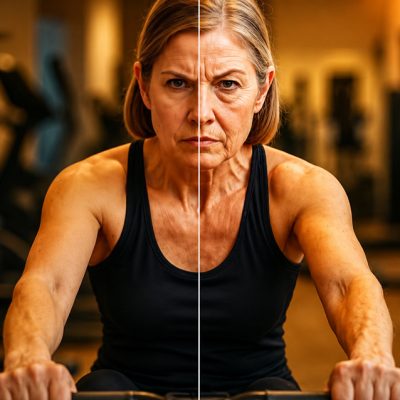
Scientists have uncovered a key reason why exercise is so effective at helping older muscles stay strong. A new study from Duke-NUS Medical School shows that physical activity can restore the natural repair systems that weaken with age, helping muscles recover and maintain function later in life. The research team, working with collaborators from Singapore General Hospital … [Read more...]
Women Health

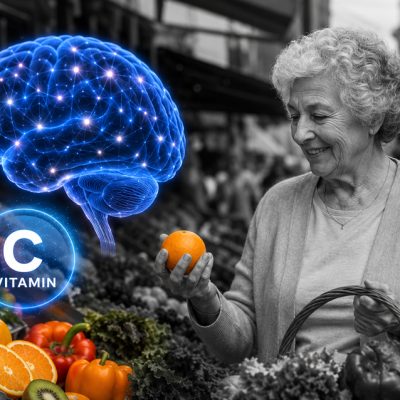
Scientists discover a surprising link between vitamin C and brain health
Researchers have found another clue that diet may influence how the brain ages. In a study of more than 2,000 older adults in Japan, people with lower levels of vitamin C in their blood tended to have less gray matter and weaker connections within an important brain network involved in memory and attention. While the findings do not prove that vitamin C protects the brain, they … [Read more...]
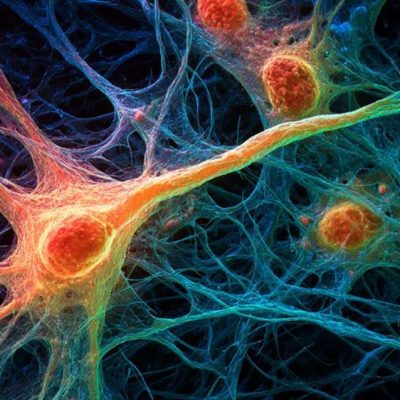
Scientists found the hidden switch fueling alzheimer’s brain inflammation
The brain has its own built in immune defenses that help detect threats and protect nerve cells. But growing evidence suggests that in Alzheimer's disease, these immune cells become stuck in a state of chronic activation. Instead of helping, they trigger ongoing inflammation that can damage the connections between brain cells. Now, researchers at Scripps Research have … [Read more...]

Tea can Improve your Health and Longevity, but the Way you Drink it Matters
The review confirms that tea, particularly green tea, plays a crucial role in preventing cardiovascular diseases (CVDs), obesity, diabetes, and certain types of cancer. Tea’s neuroprotective effects, ability to reduce muscle loss in seniors, and its anti-inflammatory and antimicrobial activities further highlight its potential health-promoting properties. However, the study … [Read more...]
Scientists Found the Strength Training Sweet Spot For a Longer Life
A long-running study suggests that 90 to 120 minutes of strength (resistance) training each week may be the ideal range for reducing the risk of death. The research, published online in the British Journal of Sports Medicine, followed participants for up to 30 years. The benefits were even greater when strength training was combined with aerobic exercise. However, … [Read more...]
Scientists Reveal How Seven Days of Fasting Transforms The Human Body
Going without food for several days does far more than force the body to burn fat. Research published in Nature Metabolism revealed that extended fasting sets off widespread biological changes throughout the body, including shifts linked to the brain, metabolism, and immune system. Scientists found that many of the most significant effects did not appear right away. Instead, … [Read more...]
Scientists Found a New Alzheimer’s Trigger and a Drug That Stops It
A promising experimental compound developed by researchers at ETH Zurich could offer a new way to slow the progression of Alzheimer's disease. In studies involving mice, the treatment reduced nerve cell loss, helped the animals live longer, and targeted a biological process that existing Alzheimer's drugs do not address. The compound, known by researchers as "Compound 10," … [Read more...]

For Older Adults, Hopping on a Bike Could Mean More Independence and a Longer Life.
In Japan, many older adults rely on bicycles for daily transportation, far more than seniors in Europe or the United States. Earlier research has shown that people who cycle tend to be more physically active and socially engaged. While cycling has long been viewed as a habit that can reduce the need for long-term care and lower the risk of death, there has been little long-term … [Read more...]
Just a Few Minutes of Effort Could Lower Your Risk of 8 Major Diseases
Just a few minutes of vigorous physical activity each day may significantly lower the chances of developing several major diseases, including arthritis, heart disease, and dementia, according to research published today (March 30) in the European Heart Journal. To explore this connection, researchers analyzed data from nearly 96,000 people. They compared overall physical … [Read more...]
Scientists Say 7 Days of Meditation Can Rewire Your Brain
Researchers at the University of California San Diego report that a weeklong program combining meditation and other mind-body techniques can quickly produce measurable changes in both brain activity and blood biology. The study found that these practices activated natural pathways involved in brain flexibility, metabolism, immune function, and pain relief. Published in … [Read more...]

Scientists Found a Surprising way to make exercise work better
Advice about staying healthy often centers on regular exercise and limiting fatty foods. Physical activity helps people shed excess weight, build muscle, and strengthen the heart. It also improves the body's ability to absorb and use oxygen to produce energy, which is considered one of the most reliable indicators of long term health and longevity. However, people with high … [Read more...]

Training Harder could be Rewiring Your Gut Bacteria
Regular exercise supports both physical and mental health. Now, new findings from Edith Cowan University (ECU) suggest that how intensely you train may also influence the makeup of your gut microbiome. PhD candidate Ms. Bronwen Charlesson examined how different training loads, ranging from high intensity to lighter periods, affect athletes' gut health. Her goal was to … [Read more...]

Menopause Linked to Grey Matter Loss in Key Brain Regions
New findings from the University of Cambridge suggest that menopause is associated with changes in brain structure, along with higher levels of anxiety, depression, and sleep difficulties. Researchers found reduced grey matter volume in several important brain regions among women who had gone through menopause. The study, published in Psychological Medicine, also examined … [Read more...]

Scientists Found a Hidden Fat Switch and Turned it off
Scientists at Cleveland-based institutions have uncovered a surprising new switch that helps the body make fat -- and turning it off had dramatic effects. Obesity and fatty liver disease are becoming more common worldwide as diets grow more calorie-dense and daily life becomes less active. Scientists in Cleveland have identified a previously unknown enzyme that the body … [Read more...]
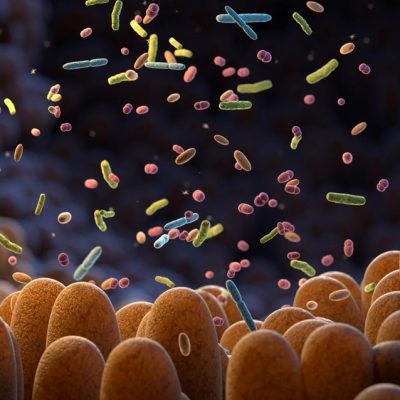
Gut Bacteria can Sense Their Environment and it’s Key to Your Health
An international research team led by Victor Sourjik set out to address that question. The group included scientists from the Max Planck Institute for Terrestrial Microbiology, the University of Ohio and the Philipps-University Marburg. Their work focused on Clostridia, a group of motile bacteria found in large numbers in the human gut that are known to support gut … [Read more...]
MRI Scans Show Exercise can Make the Brain Look Younger
Looking after your brain is something that happens over many years, and new findings from the AdventHealth Research Institute point to an encouraging option. Researchers report that sticking with a consistent aerobic exercise routine may help the brain remain biologically younger. This effect could support clearer thinking, better memory, and overall mental well-being. The … [Read more...]

Tea May Strengthen Bones in Older Women While Heavy Coffee Weakens Them
A recent investigation from Flinders University sheds new light on how two widely consumed drinks, coffee and tea, could play a role in bone health for women later in life. The study, published in the journal Nutrients, monitored nearly 10,000 women aged 65 and older for ten years to examine whether regularly drinking coffee or tea was connected to changes in bone mineral … [Read more...]
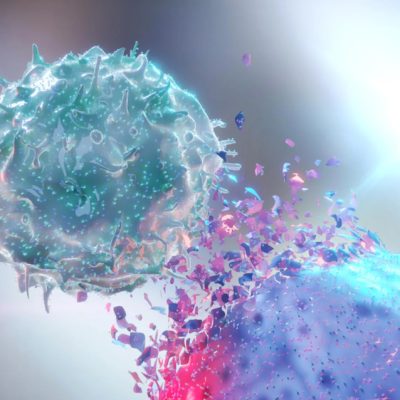
Anxiety and Insomnia Linked to Sharp Drops in Key Immune Cells
Natural killer (NK) cells act as key defenders within the immune system. They help control infections by targeting invading microbes, foreign materials, and damaged or infected cells early on, which limits their ability to spread. NK cells travel through the bloodstream (circulatory) or remain in specific tissues and organs. When NK cell numbers drop too low, the immune system … [Read more...]

Helping Others For a Few Hours a Week May Slow Brain Aging
Strong social ties are often linked to better health, and new research adds a brain benefit to that list. Researchers from The University of Texas at Austin and University of Massachusetts Boston report that regularly helping people outside your household can noticeably slow cognitive decline in middle-age and older adults. In a study that followed more than 30,000 adults in … [Read more...]

Walking May be the Brain’s best Defense Against Alzheimer’s
Adding even a modest number of steps to your daily routine may help delay the advancement of Alzheimer's disease, especially among those most vulnerable to it, according to new research. In a study published in Nature Medicine, scientists from Mass General Brigham found that greater physical activity was linked to slower cognitive decline in older adults who had higher levels … [Read more...]

Tai chi, Yoga, and Jogging Rival Pills for Beating Insomnia
Yoga, Tai Chi, walking and jogging may be the best forms of exercise to improve sleep quality and ease insomnia, suggest the findings of a comparative pooled data analysis published in the online journal BMJ Evidence Based Medicine. The findings back the use of exercise as a primary treatment strategy for poor sleep patterns, say the researchers. Characterized by … [Read more...]

One Daily Habit Could Save You From Chronic Back Pain
A major study has investigated the relationship between walking and the risk of developing chronic lower back problems. The findings could save the healthcare system significant amounts of money while also alleviating many people's back pain - if we just follow the simple advice provided. The results are clear: People who walk a lot have less back pain than people who do not … [Read more...]

Exercise May Actually Reverse Your Body’s Aging Clock
A new research perspective was recently published in Aging, titled "Exercise as a geroprotector: focusing on epigenetic aging." In this perspective, led by Takuji Kawamura from Tohoku University, researchers reviewed existing evidence from scientific studies showing that regular exercise, physical activity, and fitness may influence epigenetic aging and potentially reverse … [Read more...]
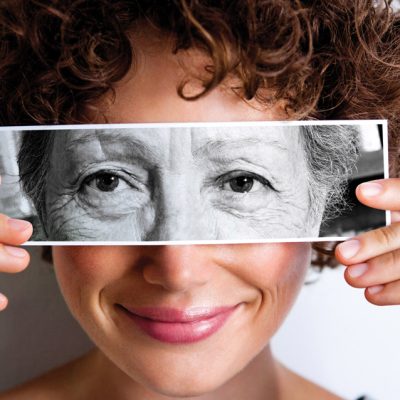
Why Some People Age Faster. And The 400 Genes Behind It
Scientists have uncovered more than 400 genes linked to different forms of unhealthy aging, shedding light on why some people thrive into their 90s while others struggle decades earlier. Credit: Shutterstock It's a fact of life: Some people age better than others. Some ease into their 90s with mind and body intact, while others battle diabetes, Alzheimer's or mobility … [Read more...]
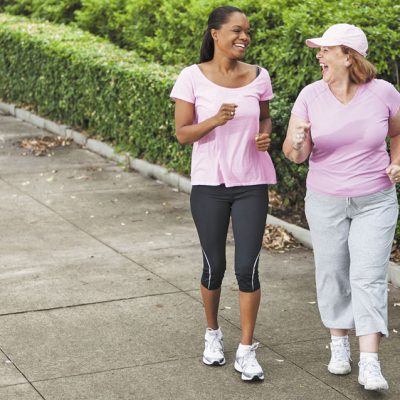
Walk Faster, Live Longer: How just 15 Minutes a day can Boost Lifespan
Regular walking is widely recognized for its significant benefits to overall health and well-being. Previous research has primarily focused on middle-to-high-income White populations. Now, a novel analysis using data from the Southern Community Cohort Study, involving 79,856 predominantly low-income and Black individuals across 12 southeastern US states, confirms the benefits … [Read more...]

Being in Nature can Help People with Chronic Back Pain Manage Their Condition
The researchers found that people able to get out in nature said it enabled them to connect with others on a social level whereas they might otherwise spend the majority of their time indoors and isolated. It provided them with a degree of distraction from their pain and a sense of escapism from their daily lives, and they enjoyed the opportunity to exercise in pleasant … [Read more...]
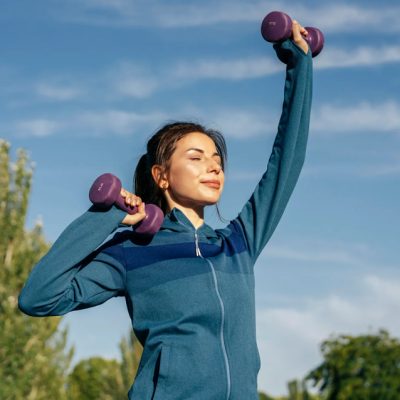
Move More, Think Sharper
A brisk walk, a splash of water aerobics, or even a light jog around the block -- if your heart rate goes up then so too will your brain health according to new research from the University of South Australia. Conducted in partnership with the US-based AdventHealth Research Institute, the new study found that staying active through moderate-to-vigorous physical activity is … [Read more...]

Increasing Physical Activity in Middle Age May Protect Against Alzheimer’s Disease
An increase in physical activity between the ages of 45 and 65 could help prevent Alzheimer's disease, while inactivity may be detrimental to brain health. This is the main conclusion of a scientific paper published in Alzheimer's & Dementia, which highlights the need to promote physical activity among middle-aged adults. The study is the result of a collaboration between … [Read more...]

Longevity and Exercise: Moderate Wins, More Isn’t Better
Researchers at the University of Jyväskylä in Jyväskylä, Finland, set out to answer this question and uncovered a surprising finding: Moderate physical activity had the most significant positive effect on longevity, reducing mortality by 7% over a 30-year period. Interestingly, higher levels of physical activity did not confer additional mortality benefits. The study was … [Read more...]
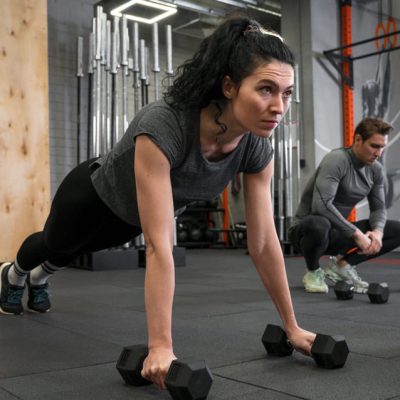
Five Minutes a Day Eccentric Exercise can Improve Your Life
As little as five minutes a day of eccentric exercise could offer significant health benefits to those living a stagnant lifestyle, researchers from Edith Cowan University (ECU) found. The study, led by Dr Benjamin Kirk and Professor Ken Nosaka in ECU's School of Medical and Health Sciences, evaluated the effects of a five-minute a day, home-based bodyweight eccentric … [Read more...]
- 1
- 2
- 3
- …
- 97
- Next Page »
