
High levels of vitamin D are linked to improved fertility and reproductive success, a study of wild sheep has found. The study, carried out on a remote Hebridean island, adds to growing evidence that vitamin D -- known as the sunshine vitamin -- is associated with reproductive health. Experts hope that further studies will help to determine the relevance of the results … [Read more...]

Physical activity may help keep overweight children fit: University of Eastern Finland Study
A recent Finnish study shows that high body adiposity, low physical activity, and particularly their combination are related to poorer physical fitness among 6-8 year old children. The results also suggest that physically active overweight children have better fitness compared to their inactive peers. The results published in Journal of Sports Sciences are part of the Physical … [Read more...]

Exercise reduces heart disease risk in depressed patients: American College of Cardiology Study
Symptoms of mild to minimal depression were associated with early indicators of heart disease in a research letter published in the Journal of the American College of Cardiology, but the study found regular exercise seems to reduce the adverse cardiovascular consequences of depression. Depression has been linked to an increased risk of heart disease and other physical … [Read more...]

Sugar-sweetened drinks linked to increased visceral fat: American Heart Association Study
Drinking sugar-sweetened beverages every day was associated with an increase in a particular type of body fat that may affect diabetes and heart disease risk, according to new research in the American Heart Association's journal Circulation. Data from the Framingham Heart Study -- federally supported, ongoing research that has advanced the understanding of cardiovascular … [Read more...]

Use of small plates can help in weightloss: Australian Study
There are small easy steps that we can take to tackle the burgeoning problem of obesity. One of those solutions is surprisingly simple: use smaller plates. There have been over 50 studies examining whether or not smaller plates help in reducing consumption. Despite all these studies, there is surprisingly little consensus on the effect of smaller plates. Some find that … [Read more...]

Prostate cancer is more aggressive in obese patients: A Study
Obesity has direct consequences on health and is associated with the onset of aggressive cancers, but the mechanisms underlying this phenomenon are little known. Researchers from the Institut de Pharmacologie et he Biologie Structurale (CNRS/Université Toulouse III -- Paul Sabatier) have recently elucidated one of these mechanisms in prostate cancer, one of the most common … [Read more...]

Gossypol a natural component found in the cotton plant can cure prostate cancer: University of Kansas Study
The genes that cause cancer are so tiny, yet so complex, that finding something to destroy or stop them is one of the top struggles for cancer researchers today. At The University of Kansas Cancer Center, understanding these microscopic processes and making drug discoveries is a priority in helping make the road for cancer patients easier and curbing recurrence. Liang Xu, … [Read more...]

Pre-pregnancy potato consumption may be linked to gestational diabetes: A Study
Women who eat more potatoes before pregnancy may have higher rates of gestational diabetes--the form that occurs during pregnancy--compared to women who consume fewer potatoes, suggests a National Institutes of Health (NIH) study. The researchers propose that substituting potatoes with other vegetables, legumes or whole grains may help lower gestational diabetes risk. The … [Read more...]

Sedentary behavior linked to poor health in adults with severe obesity: University of Pittsburgh Study
Sedentary behavior is associated with poor cardiovascular health and diabetes in adults with severe obesity, independent of how much exercise they perform, a University of Pittsburgh Graduate School of Public Health-led study showed for the first time. The finding, published online and scheduled for the March issue of the journal Preventive Medicine, could be used to design … [Read more...]
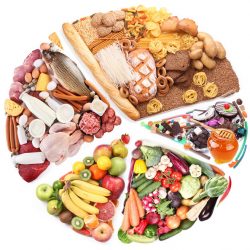
Higher fat variation of DASH diet lowers blood pressure and triglycerides: A Study
The Dietary Approaches to Stop Hypertension (DASH) dietary pattern, which is high in fruits, vegetables and low fat dairy foods, significantly lowers blood pressure as well as low-density lipoprotein cholesterol (LDL-C) and high-density lipoprotein cholesterol. In a study to be published in the American Journal of Clinical Nutrition, researchers at the UCSF Benioff's Children's … [Read more...]

One hookah tobacco smoking session delivers 25 times the tar of a single cigarette: University of Pittsburgh Study
As cigarette smoking rates fall, more people are smoking tobacco from hookahs--communal pipes that enable users to draw tobacco smoke through water. A new meta-analysis led by the University of Pittsburgh School of Medicine shows that hookah smokers are inhaling a large load of toxicants. The findings, published online and scheduled for the January/February print issue of … [Read more...]
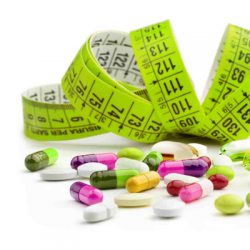
Health concerns over long-term use of chromium diet pills: University of Sydney Study
Concerns have been raised over the long-term use of nutritional supplements containing chromium, after an Australian research team found the supplement is partially converted into a carcinogenic form when it enters cells. Chromium is a trace mineral found primarily in two forms. Trivalent chromium(III) picolinate and a range of other chromium(III) forms are sold as a … [Read more...]

Exercise associated with prevention of low back pain
A review of medical literature suggests that exercise, alone or in combination with education, may reduce the risk of low back pain, according to an article published online by JAMA Internal Medicine. Daniel Steffens, Ph.D., of the University of Sydney, Australia, and coauthors identified 23 published reports (on 21 different randomized clinical trials including 30,850 … [Read more...]
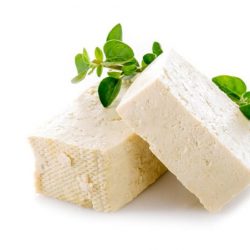
Low-carb vegan diet may reduce heart disease risk and weight: A Study
Researchers at St. Michael's Hospital have shown for the first time that, in addition to weight loss, a specific low-carbohydrate diet may also reduce the risk of heart disease by 10 per cent over 10 years. The diet, often called Eco-Atkins, is a low-carbohydrate vegan diet. Many low-carbohydrate diets have been proven to improve weight loss but most emphasize eating animal … [Read more...]

Genes discovered linking circadian clock with eating schedule: A Study
For most people, the urge to eat a meal or snack comes at a few, predictable times during the waking part of the day. But for those with a rare syndrome, hunger comes at unwanted hours, interrupts sleep and causes overeating. Now, Salk scientists have discovered a pair of genes that normally keeps eating schedules in sync with daily sleep rhythms, and, when mutated, may play … [Read more...]

Excessive vitamin intake in pregnancy impacts food choices in offspring: A Canadian Study
A research group at the Department of Nutritional Sciences at the University of Toronto, Faculty of Medicine has been using a rat model to see how maternal intake of above-requirement vitamins (A, D, E, and K) impact offspring's brain development and behaviour. Some of their findings were published today in the journal Applied Physiology, Nutrition, and Metabolism. Much … [Read more...]

Vitamin D helps immune cells prevent atherosclerosis and diabetes: Washington University Study
Altered signaling through the vitamin D receptor on certain immune cells may play a role in causing the chronic inflammation that leads to cardiometabolic disease, the combination of type 2 diabetes and heart disease that is the most common cause of illness and death in Western populations. The research appears March 19 in the journal Cell Reports. "Because low vitamin D … [Read more...]

Increasing vitamin D supplementation in elderly women to maintain bone mass: A Swiss Study
Osteoporosis is one of the chief reasons why the elderly often suffer broken bones from relatively minor injuries. Postmenopausal women in particular experience a relatively rapid loss in bone mass due to a reduced concentration of oestrogen, which is responsible for strong bone growth during youth. Maintaining bone mass requires physical exercise and vitamin D, which is mainly … [Read more...]

Vitamin D does not reduce colds in asthma patients: A Study
Vitamin D supplements do not reduce the number or severity of colds in asthma patients, according to a new study published online ahead of print publication in the American Thoracic Society's American Journal of Respiratory and Critical Care Medicine. Loren C. Denlinger, MD, PhD, associate professor of medicine at the University of Wisconsin, and colleagues … [Read more...]

Vitamin C does not lower uric acid levels in gout patients: A Study
Despite previous studies touting its benefit in moderating gout risk, new research reveals that vitamin C, also known ascorbic acid, does not reduce uric acid (urate) levels to a clinically significant degree in patients with established gout. Vitamin C supplementation, alone or in combination with allopurinol, appears to have a weak effect on lowering uric acid levels in gout … [Read more...]

Adding citrus fiber to meatballs improves nutritional quality: University of Missouri Study
Many American diets fall short of meeting nutritional guidelines resulting in burgeoning obesity rates and health problems across the nation. Statistics show that most Americans consume only half of the daily recommended amount of dietary fiber. Now, a research team at the University of Missouri is addressing the fiber deficit by including citrus fiber in ground beef while … [Read more...]

Vitamin B12 and taurine regulates the production of new bone cells: A Study
Researchers have uncovered a previously unknown biological process involving vitamin B12 and taurine that regulates the production of new bone cells. This pathway could be a potential new target for osteoporosis treatment. In humans it is well known that vitamin deficiencies lead to stunted growth, but the underlying mechanisms have long been a mystery. In this study, the … [Read more...]

Taking B vitamins won’t prevent Alzheimer’s disease: University of Oxford Study
Taking B vitamins doesn't slow mental decline as we age, nor is it likely to prevent Alzheimer's disease, conclude Oxford University researchers who have assembled all the best clinical trial data involving 22,000 people to offer a final answer on this debate. High levels in the blood of a compound called homocysteine have been found in people with Alzheimer's disease, and … [Read more...]

Vitamin A supplements for children could save 600,000 lives a year: A Study
Children in low and middle income countries should be given vitamin A supplements to prevent death and illness, concludes a study published online in the British Medical Journal. The researchers argue that the effectiveness of vitamin A supplementation is now so well-established that further trials would be unethical, and they urge policymakers to provide supplements for all … [Read more...]

Health hazards of diets high in beta-carotene: Ohio State University Study
New research suggests that there could be health hazards associated with consuming excessive amounts of beta-carotene. This antioxidant is a naturally occurring pigment that gives color to foods such as carrots, sweet potatoes and certain greens. It also converts to vitamin A, and foods and supplements are the only sources for this essential nutrient. But scientists at Ohio … [Read more...]

Parathyroid hormone as important as vitamin D to assess vitamin’s role in diabetes: University of Toronto Study
Combined assessment of parathyroid hormone along with vitamin D may be needed to assess the impact of vitamin D status on sugar metabolism, according to Toronto researchers. Their study is published on-line in Diabetes on May 29 2014. The new findings might explain why studies of vitamin D alone have been conflicting and why clinical trials of vitamin D supplementation to … [Read more...]

Factors in the blood during dieting may have anti-diabetes properties: A Study
Factors in the blood from calorie-restricted rats can modify energy-producing mitochondria within the insulin-producing cells that regulate blood sugar levels, new research shows. This has a positive impact on glucose-stimulated insulin secretion and protects cells from fatty acid and glucose toxicity. The findings suggest that insulin-producing cells' mitochondria may be … [Read more...]

Exercise to improve skill and coordination can help reduce lower back pain: A Study
A new Cochrane Review published today shows that targeting exercises to muscles that support and control the spine offers another strategy to reduce pain and disability caused by lower back pain. Lower back pain is one of the most common health conditions worldwide. It can have substantial health and economic costs as people experience disability and general ill health, … [Read more...]

Incentive with a meal motivates kids and adults to choose smaller portions: University of Arizona Study
The Happy Meal could be the answer to our nation's obesity epidemic. Not the actual contents of a McDonald's kid's meal, but the concept of it. Researchers from the University of Arizona's Eller College of Management as well as the University of Southern California's Marshall School of Business and Dornsife College of Letters, Arts and Sciences have found that offering a small … [Read more...]

Diagnosing Lower Back Pain: A Study
Scientists at The Feinstein Institute for Medical Research have discovered a new, personalized approach to diagnosing low back pain. The findings from a clinical study show that serum levels of the proinflammatory cytokine interleukin-6 (IL-6) vary in individuals with lumbar intervertebral disc disease and that biochemical profiling of circulating cytokines may assist in … [Read more...]
- « Previous Page
- 1
- …
- 83
- 84
- 85
- 86
- 87
- …
- 429
- Next Page »