
High levels of saturated fat in the blood could make an individual more prone to inflammation and tissue damage, a new study suggests. Received wisdom on the health risks of eating saturated fat has been called into question recently. This new research supports the view that excessive consumption of saturated fat can be bad for us. Scientists from Imperial College London … [Read more...]
Nutrition & Wellness


Manipulation of food structure could lead the way to a healthier diet: King’s College London Study
A new study led by scientists at King's College London shows that preserving the natural structure of dietary fibre during food production can help to slow the rise in blood sugar levels after a meal. This finding may lead the way for the development of a new generation of food products that contain similar ingredients to existing products, but with a more natural, enzyme … [Read more...]

Drug stimulates brown fat, boosts metabolism:
Researchers publishing in the January 6 issue of Cell Metabolism have discovered that a drug FDA-approved to treat overactive bladder may boost brown fat's metabolic powers, making it a promising candidate for combatting obesity. Unlike energy-storing white fat, brown fat burns energy to generate heat, which can help maintain body weight and prevent obesity in … [Read more...]

Effects of cooking, digestion on gluten and wheat allergens in pasta: American Chemical Society Study
Researchers trying to understand wheat-related health problems have found new clues to how the grain's proteins, including gluten, change when cooked and digested. They report in ACS' Journal of Agricultural and Food Chemistry that boiling pasta releases some of its potential allergens, while other proteins persist throughout cooking and digestion. Their findings lend new … [Read more...]

Neurotoxin found in commercial seafood: A Swedish Study
Popular commercial seafood purchased from Swedish supermarkets at the Stockholm region contains Beta-Methylamino-L-Alanine (BMAA), shows a doctoral thesis from Stockholm University. BMAA is a naturally-occurring amino acid with a possible link to neurodegenerative diseases such as Parkinson's disease, Alzheimer's disease and Amyotrophic lateral sclerosis. It is the first … [Read more...]

Autism supplement affects endocrine system: University of Colorado Study
Plant-based diets are healthy. Plants are high in flavonoids. So flavonoids are healthy. At least that's the reasoning of many manufacturers of flavonoid-based nutritional supplements. But a University of Colorado Cancer Center study published this week in the journal Hormones & Cancer shows that may not be the case. Flavonoids tested in the study affected the endocrine … [Read more...]

Vitamins and minerals can boost energy and enhance mood: A Study
Vitamin and mineral supplements can enhance mental energy and well-being not only for healthy adults but for those prone to anxiety and depression, according to a July 15 panel discussion at the 2013 Institute of Food Technologists (IFT) Annual Meeting & Food Expo® held at McCormick Place. Bonnie Kaplan, Ph.D., professor in the faculty of medicine at the University of … [Read more...]

Coffee and tea may contribute to a healthy liver: A Singaporean Study
Surprise! Your morning cup of tea or coffee may be doing more than just perking you up before work. An international team of researchers led by Duke-NUS Graduate Medical School (Duke-NUS) and the Duke University School of Medicine suggest that increased caffeine intake may reduce fatty liver in people with non-alcoholic fatty liver disease (NAFLD). Worldwide, 70 percent … [Read more...]

Concerns over mercury levels in fish may be unfounded: University of Bristol Study
New research from the Children of the 90s study at the University of Bristol suggests that fish accounts for only seven per cent of mercury levels in the human body. In an analysis of 103 food and drink items consumed by 4,484 women during pregnancy, researchers found that the 103 items together accounted for less than 17 per cent of total mercury levels in the … [Read more...]

Herbal, Weight loss supplements and Energy drink associated with Liver damage: American College of Gastroenterology Study
Severe liver damage, and even failure, has been associated with the consumption of weight loss supplements, an herbal supplement and an energy drink, according to four separate case reports presented at the American College of Gastroenterology's 78th Annual Scientific Meeting in San Diego, CA. Use of herbal and dietary supplements is widespread for a variety of health problems. … [Read more...]
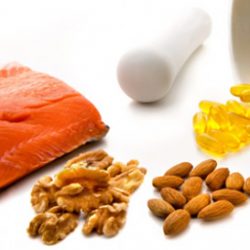
Omega-3 dietary supplements pass blood-brain barrier: A Swedish Study
New research from Karolinska Institutet in Sweden shows that omega-3 fatty acids in dietary supplements can cross the blood brain barrier in people with Alzheimer's disease, affecting known markers for both the disease itself and inflammation. The findings are presented in the Journal of Internal Medicine, and strengthen the evidence that omega-3 may benefit certain forms of … [Read more...]
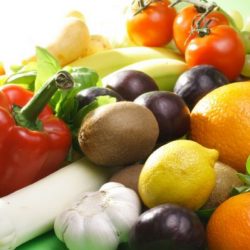
Food is key provider of vitamins and nutrients: A Study
While dietary supplements can help some people meet their nutrition needs, eating a wide variety of nutrient-rich foods is the best way for most people to obtain the nutrients they need to be healthy and reduce their risk of chronic disease, according to the Academy of Nutrition and Dietetics. Two newly published studies in Annals of Internal Medicine, and an accompanying … [Read more...]
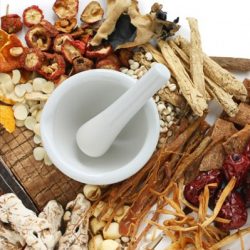
Chinese herbal compound relieves inflammatory and neuropathic pain: University of California Study
A compound derived from a traditional Chinese herbal medicine has been found effective at alleviating pain, pointing the way to a new nonaddictive analgesic for acute inflammatory and nerve pain, according to UC Irvine pharmacology researchers. Working with Chinese scientists, Olivier Civelli and his UC Irvine colleagues isolated a compound called dehydrocorybulbine (DHCB) … [Read more...]

Vitamin E actually increased specific damage linked to omega 6 fatty acids: A Georgetown University Study
Given omega 6 fatty acid's reputation for promoting cancer -- at least in animal studies -- researchers are examining the role that antioxidants play in blocking the harmful effects of this culprit, found in many cooking oils. After all, antioxidants are supposed to prevent DNA damage. But employing antioxidants could backfire, say researchers at Georgetown Lombardi … [Read more...]

Fatty acid composition in blood reflects quality of dietary carbohydrates in children: A Finnish Study
Recently published research in the University of Eastern Finland found that fatty acid composition in blood is not only a biomarker for the quality of dietary fat but also reflects the quality of dietary carbohydrates. For example the proportion of oleic acid was higher among children who consumed a lot of candy and little high-fibre grain products. Earlier studies on the topic … [Read more...]

Nutrition an issue for Aboriginal Australians: A Study
Nutrition has not been given enough priority in national Aboriginal and Torres Strait Islander health policy in recent years. This is the finding from a study published in the latest issue of Australian and New Zealand Journal of Public Health. Led by Jennifer Browne from La Trobe University, the study examined Aboriginal-specific health policies and strategies developed … [Read more...]

Folate biomarkers: University of Georgia Study
A University of Georgia researcher is lead author on an international paper on folate biomarkers as part of an initiative to provide evidence-based guidance for the global nutrition and public health community. Lynn Bailey, head of the foods and nutrition department within the College of Family and Consumer Sciences, led a comprehensive study on folate, an essential B … [Read more...]

Nine fats to include in a healthy diet: A Study
Fats are often considered the enemy of good nutrition, but when included in a healthy diet they can boast several potential health benefits. In the September issue of Food Technology magazine published by the Institute of Food Technologists (IFT), Contributing Editor Linda Milo Ohr writes about how fatty acids and nutritional oils may benefit cognition, weight management, heart … [Read more...]

Acetate supplements speed up red blood cell production: A Study
UT Southwestern Medical Center researchers seeking novel treatments for anemia found that giving acetate, the major component of household vinegar, to anemic mice stimulated the formation of new red blood cells. Currently, the hormone erythropoietin is administered to treat anemia, but this treatment carries with it side effects such as hypertension and thrombosis (blood … [Read more...]

Young women exposed to abuse in childhood are at greater risk for eating disorders: University of California Study
Young women with ADHD who have been exposed to abuse, neglect or other traumas in childhood and adolescence are at greater risk for self-injury, eating disorders and suicide than those with ADHD who were not mistreated in early youth, according to new research from UC Berkeley. The findings, just reported in the journal Development and Psychopathology, add to a growing body … [Read more...]

Energy drinks significantly increase hyperactivity in schoolchildren: A Yale University Study
Middle-school children who consume heavily sweetened energy drinks are 66% more likely to be at risk for hyperactivity and inattention symptoms, a new study led by the Yale School of Public Health has found. The finding has implications for school success and lends support to existing recommendations to limit the amount of sweetened beverages schoolchildren drink. The … [Read more...]

New methods for maintaining the quality of minimally processed potatoes for 14 days, without the use of sulphites: A Study
A graduate in Food Science and Technology, has proposed alternatives to the use of sulphites in potatoes, one of the main preservatives currently used and which, among other properties, prevents the browning that appears after peeling and/or cutting certain foods. Today, one speaks of fourth range or minimally processed products to refer to fresh fruit and vegetables that … [Read more...]

Milk–Pros and Cons
It used to be a no-brainer, almost everyone drank milk. Now, not so much. The reasons why are creating a healthy debate. “I would say for the most part, I am pro-milk,” Kara Trochta, MDS, RDN, LD, Registered Dietician and Nutritionist at the University of Texas, Health Science Center in San Antonio, Texas said. But Beverly Meyer, MBA, Clinical Nutritionist and Holistic … [Read more...]

Drinking beet juice regularly may lengthen your workouts
Beet juice is a dietary source of the molecule nitrate. When converted in the body, nitrate can dilate the blood vessels and increase blood flow, both important factors for exercise performance. In a new study from American Journal of Physiology-Regulatory, Integrative and Comparative Physiology, healthy male subjects who drank beet juice for 15 days had lower blood pressure … [Read more...]

Restaurant food ‘just as unhealthy as fast food’
A meal in a restaurant might seem to be healthier than one eaten in a fast-food outlet, but according to a new study eating out at either location leads to a much greater consumption of calories than eating a meal prepared at home. Meals consumed in restaurants were judged to contain higher levels of sodium and cholesterol than those consumed in fast-food outlets and at … [Read more...]
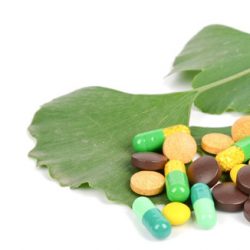
Ginkgo biloba, an herbal dietary supplement de-mystified: A Canadian Study
Dr. Damon Little, Associate Curator of Bioinformatics in the Cullman Program for Molecular Systematics at The New York Botanical Garden, has just published a new study in the journal Genome investigating the use of DNA barcoding to test the authenticity of Ginkgo biloba (G. biloba), an herbal dietary supplement sold to consumers that is purported to boost cognitive capacity. … [Read more...]

Link between Infant gut bacteria and food sensitization: A Canadian Study
A new study from Canadian researchers at the University of Alberta and University of Manitoba is shedding new light on changes in intestinal bacteria of infants that can predict future development of food allergies or asthma. The research, published in the February edition of the journal Clinical & Experimental Allergy and highlighted as the publication's "Editor's … [Read more...]

Gender differences play key role in supporting healthy diets for seniors
Strategies to support healthier diets among seniors need to take into account differences between elderly men and women, according to UBC research. The two groups had varying responses to a tactic thought to boost seniors' fruit and vegetable intake, according to a study published in Appetite. The study explored which types of social support encouraged seniors to boost … [Read more...]

Plastic processed food containers linked to risk of high blood pressure and diabetes
According to a new series of studies out of NYU Langone Medical Center, two chemicals increasingly used during manufacturing to strengthen plastic wrap, soap, cosmetics, and processed food containers have been linked to a rise in risk of high blood pressure and diabetes in children and adolescents. The compounds, di-isononyl phthalate (DINP) and di-isodecyl phthalate (DIDP), … [Read more...]

Grave consequences of meat consumption: A Study
High consumption of livestock products could have serious consequences for people and the environment, according to a recent article published in Environment: Science and Policy for Sustainable Development. The article, titled "The Sustainability Challenges of our Meat and Dairy Diets," emphasizes that the demand for livestock-based foods has soared over the last few decades. … [Read more...]
- « Previous Page
- 1
- …
- 15
- 16
- 17
- 18
- 19
- …
- 44
- Next Page »
