
Women with elevated levels of common types of flame retardant chemicals in their blood may be at a higher risk for thyroid disease--and the risk may be significantly higher among post-menopausal women, according to a new study from researchers at Harvard T.H. Chan School of Public Health. The new paper is the first to suggest a link between polybrominated diphenyl ethers … [Read more...]
Women Health

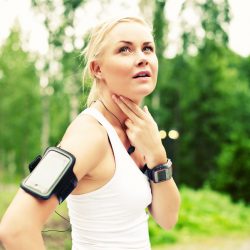
Wearable Fitness Monitors don’t Motivate Exercise: An Oklahoma State University Study
The results of a new study on physical activity have researchers asking what in the world will it take to get people moving. Clarkson University Associate Professor of Physical Therapy & Physician Assistant Studies Ali Boolani and Oklahoma State University Associate Professor of Physical Education Timothy Baghurst wanted to see how aspiring physical … [Read more...]

Link between social media, eating disorders, and compulsive exercise: Chapman University Study
In a new open access article for Cogent Social Sciences; Mobile Exercising and Tweeting the Pounds Away: The Use of Digital Applications and Microblogging and their Association with Disordered Eating and Compulsive Exercise, researchers from Georgia College & State University, and Chapman University explore the relationship between social media, eating disorders, and … [Read more...]

Exercise associated with longer life in patients with heart failure: University of Exeter Study
Exercise is associated with a longer life in patients with heart failure, according to research presented today in a late breaking trial session at Heart Failure 2016 and the 3rd World Congress on Acute Heart Failure. The analysis in more than 4000 patients showed a mortality benefit from exercise regardless of heart failure severity, age and gender. "Patients with heart … [Read more...]
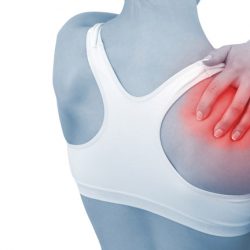
Trigger for immune cells inflammatory response identified: University of Bristol Study
Scientists at the University of Bristol have identified the trigger for immune cells' inflammatory response -- a discovery that may pave the way for new treatments for many human diseases. Immune cells play essential roles in the maintenance and repair of our bodies. When we injure ourselves, immune cells mount a rapid inflammatory response to protect us against infection … [Read more...]

Support from family and friends helps in preventing depression in teenagers: University of Cambridge Study
The importance of friendships and family support in helping prevent depression among teenagers has been highlighted in research from the University of Cambridge. The study, published in the open access journal PLOS ONE, also found that teenagers who had grown up in a difficult family environment were more likely than their peers to be bullied at school. Adolescence is a key … [Read more...]

Prediabetes is associated with increased risk of diabetes, cardiovascular disease, dementia and cancer: A German Study
Prediabetes is associated with increased risk of diabetes, cardiovascular disease, dementia and cancer. However, the disease risk considerably varies among subjects. In The Lancet Diabetes & Endocrinology DZD scientists have now summarized information from the literature and have provided novel data indicating that in future the determination of the 4 major phenotypes fatty … [Read more...]

FMD: Mysterious Disease in Women
Fibromuscular dysplasia, or FMD for short, is up to ten times more common in women than in men. But it’s often overlooked because patients and their doctors have a hard time identifying the symptoms. Here’s what you need to know about this rare and mysterious disease. Nurse Mary Lou Lucas has spent her career helping others understand their medical problems. But she was … [Read more...]

Uric acid can cause metabolic syndrome: Washington University Study
A new study suggests uric acid may play a role in causing metabolic syndrome, a cluster of risk factors that increases the risk of heart disease and type 2 diabetes. Uric acid is a normal waste product removed from the body by the kidneys and intestines and released in urine and stool. Elevated levels of uric acid are known to cause gout, an accumulation of the acid in the … [Read more...]

Genes that protect against frailty: Yeshiva University Study
Frailty is a common condition associated with old age, characterized by weight loss, weakness, decreased activity level and reduced mobility, which together increase the risk of injury and death. Yet, not all elderly people become frail; some remain vigorous and robust well into old-age. The question remains: why? Researchers at Albert Einstein College of Medicine of Yeshiva … [Read more...]

Gut bacteria affecting both our cravings and moods to get us to eat what they want: University of New Mexico Study
It sounds like science fiction, but it seems that bacteria within us -- which outnumber our own cells about 100-fold -- may very well be affecting both our cravings and moods to get us to eat what they want, and often are driving us toward obesity. In an article published this week in the journal BioEssays, researchers from UC San Francisco, Arizona State University and … [Read more...]

Wellness coaching can improves overall quality of life: A Study
Wellness coaching has become an increasingly prevalent strategy to help individuals improve their health and well-being. Recently, wellness coaching was found to improve quality of life, mood and perceived stress, according to a Mayo Clinic study published in Mayo Clinic Proceedings. Matthew Clark, Ph.D., L.P., lead author of the study and resiliency expert at the Mayo Clinic … [Read more...]

Team sport compensates for estrogen loss in women: University of Copenhagen Study
When women enter menopause, their estrogen levels taper. This increases their risk of cardiovascular disease. New research from University of Copenhagen shows that interval-based team sport can make up for this estrogen loss as it improves their conditions, reduces blood pressure and thereby protects the cardiovascular system. While aging and an array of physical … [Read more...]

Preventive ovarian surgery should be performed early for greatest benefit: A Study
The findings of a large international prospective study published in the Journal of Clinical Oncology suggest for the first time that women with BRCA1 mutations should have preventive ovarian surgery (prophylactic oophorectomy) by age 35, as waiting until a later age appears to increase the risk of ovarian cancer before or at the time of the preventive surgery. Women with a … [Read more...]

Holidays in the sun could boost vitamin D: University of Edinburgh Study
Holidays abroad may hold the key to tackling Scotland's vitamin D deficiency, research suggests. People who take foreign breaks have higher levels of vitamin D in their blood, which has been linked to wide-ranging health benefits, a study has found. Farmers also have higher levels of the vitamin -- which is produced in the skin after exposure to sunlight -- according to the … [Read more...]

Chronic fatigue patients more likely to suppress emotions: A Study
Chronic fatigue syndrome patients report they are more anxious and distressed than people who don't have the condition, and they are also more likely to suppress those emotions. In addition, when under stress, they show greater activation of the biological "fight or flight" mechanism, which may add to their fatigue, according to new research published by the American … [Read more...]

30 percent of female physicians report sexual harassment: University of Michigan Study
In a survey of high-achieving physician-scientists, nearly a third of women reported experiencing sexual harassment. "This is a sobering reminder that our society has a long way to go before we achieve gender equity," says study author Reshma Jagsi, M.D., D.Phil., associate professor and deputy chair of radiation oncology at the University of Michigan Medical … [Read more...]

Frequent religious service attendance linked with decreased mortality risk among women: A Study
Women who attended religious services more than once per week were more than 30% less likely to die during a 16-year-follow-up than women who never attended, according to a study from Harvard T.H. Chan School of Public Health. Frequent attendees also had significantly lower risk both from cardiovascular- and cancer-related mortality. "Our results suggest that there may be … [Read more...]
Divided opinions on vitamin D enrichment: Aarhus University Study
Vitamin D is important for the absorption and metabolism of calcium, as well as for maintaining healthy bones and muscles. Danes generally have too low a level, and this is mainly because the sun -- the main source -- is absent for much of the year. Getting an intake of vitamin D through the diet will therefore be relevant for many, but are consumers actually interested in … [Read more...]

Two compounds found in red grapes and oranges could provide new treatments for obesity, type 2 diabetes and cardiovascular disease: University of Warwick Study
A combination of two compounds found in red grapes and oranges could be used to improve the health of people with diabetes, and reduce cases of obesity and heart disease. The find has been made by University of Warwick researchers who now hope that their discovery will be developed to provide a treatment for patients. Professor Thornalley who led research said: "This is … [Read more...]
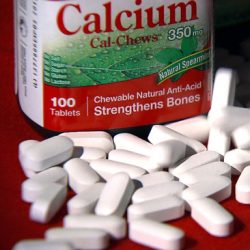
Benefits of calcium supplements may be outweigh its cardiovascular risks: The Norwegian University Study
Taking calcium and vitamin D can help prevent broken bones in older women. However, this benefit may be cancelled out by an increased risk of heart attack and stroke. With the highest reported risk of hip fractures in the word, Norway has good reason to consider the benefits and risks of calcium supplements. The challenge is that too little calcium and vitamin D in your diet … [Read more...]

Logging on to social media sites frequently linked to a greater risk of developing eating concerns: University of Pittsburgh Study
Logging on to social media sites frequently throughout the week or spending hours trolling various social feeds during the day is linked to a greater risk of young adults developing eating and body image concerns, a University of Pittsburgh School of Medicine analysis discovered. Gender, specific age, race and income did not influence the association; the study found that … [Read more...]

PTSD linked to low levels of fat hormone: University of Texas Study
Individuals with post-traumatic stress disorder (PTSD) relive past traumas again and again, bound in a virtual prison of their memories. Researchers in the School of Medicine at The University of Texas Health Science Center at San Antonio now report a biological mechanism that might explain why these individuals are less able to extinguish the fear of past dangers. The … [Read more...]
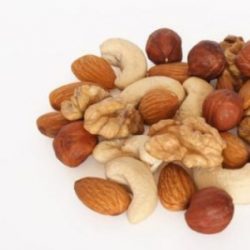
Eating tree nuts results in ‘modest decreases’ in blood fats and sugars: A Study
Eating tree nuts appears to help reduce two of the five markers for metabolic syndrome, a group of factors that raise the risk for heart disease and other health problems such as diabetes and strokes, a new research paper says. The paper found a "modest decrease" in blood fats known as triglycerides and blood sugars among people who added tree nuts to their diets compared to … [Read more...]

Breath test may help diagnose irritable bowel syndrome: A Study
There is currently no specific diagnostic test for irritable bowel syndrome (IBS), but now researchers have identified a combination of 16 different substances in the breath that, when measured together, can accurately distinguish IBS patients from people without the condition. Investigators analyzed breath samples from 170 IBS patients and 153 healthy controls, as well as … [Read more...]

Fight against chronic fatigue syndrome: Griffith University Study
New findings regarding the pathology of Chronic Fatigue Syndrome (CFS) are bringing Griffith University researchers closer to identifying the cause of this disabling illness. This is the news from a team at the National Centre for Neuroimmunology and Emerging Diseases at the Menzies Health Institute Queensland. Professors Marshall-Gradisnik and Don Staines and their … [Read more...]

Female sex hormone may protect against STIs: McMaster University Study
A team of researchers led by McMaster University's Charu Kaushic has revealed for the first time how estradiol, a female sex hormone present during the menstrual cycle and found in oral contraceptives, may work to protect women against sexually transmitted viral infections. In a study published in the scientific journal PLOS Pathogens, Kaushic and colleagues describe the … [Read more...]

Moon does not influence people’s behavior: A Study
Always surrounded by an aura of mystery, the moon and its possible influence over human behavior has been object of ancestral fascination and mythical speculation for centuries. While the full moon cannot turn people into werewolves, some people do accuse it of causing a bad night's sleep or creating physical and mental alterations. But is there any science behind these … [Read more...]
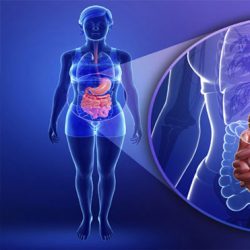
Intestinal worms boost immune system in a surprising way
In order to fight invading pathogens, the immune system uses "outposts" throughout the body, called lymph nodes. These are small, centimeter-long organs that filter fluids, get rid of waste materials, and trap pathogens, e.g. bacteria or viruses. Lymph nodes are packed with immune cells, and are know to grow in size, or 'swell', when they detect invading pathogens. But now, … [Read more...]

Same-Day Hip Surgery?
Three-hundred thirty-two thousand Americans have hip replacement every year. For most, the surgery requires a hospital stay, and weeks of rehabilitation. Now, a different approach to surgery is getting patients back on their feet and out of the hospital faster than ever before. For 63-year-old Mary Farley, lifting up, stepping down and bending over are cause to celebrate. … [Read more...]
- « Previous Page
- 1
- …
- 4
- 5
- 6
- 7
- 8
- …
- 97
- Next Page »
