
Kids who receive antibiotics throughout the course of their childhoods gain weight significantly faster than those who do not, according to new Johns Hopkins Bloomberg School of Public Health research. The findings, published online Oct. 21 in the International Journal of Obesity, suggest that antibiotics may have a compounding effect throughout childhood on body mass index … [Read more...]
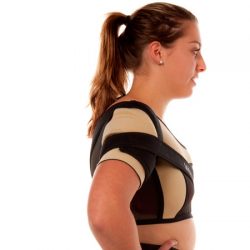
Common shoulder dislocation can heal just as well without surgery: A Study
Acromio-clavicular joint dislocation is one of the most common shoulder injuries orthopedic surgeons treat. Severe dislocations are often treated with surgery, but patients who opt for non-surgical treatment typically experience fewer complications and return to work sooner, according to new research published in the Journal of Orthopaedic Trauma. The AC joint is located at … [Read more...]
A drug engineered from bananas fight many deadly viruses: University of Michigan Study
A banana a day may not keep the doctor away, but a substance originally found in bananas and carefully edited by scientists could someday fight off a wide range of viruses, new research suggests. And the process used to create the virus-fighting form may help scientists develop even more drugs, by harnessing the "sugar code" that our cells use to communicate. That code gets … [Read more...]

Immune cells may heal an injured heart: A Washington University Study
The immune system plays an important role in the heart's response to injury. But until recently, confusing data made it difficult to distinguish the immune factors that encourage the heart to heal following a heart attack, for example, from those that lead to further damage. Now, researchers at Washington University School of Medicine in St. Louis have shown that two major … [Read more...]

Living in densely populated neighborhoods can actually decrease risk of diabetes and obesity: A Study
Torontonians living in neighborhoods that aren't conducive to walking have a 33 per cent greater risk of developing diabetes or being obese, according to new research. The design of Toronto's neighborhoods such as Bridle Path-Sunnybrook-York Mills, Edenbridge- Humber Valley, and Morningside encourage dependency on cars and discourage walking -- risk factors that can lead to … [Read more...]

No evidence of survival advantage for overweight and obese type 2 diabetes patients: A Harvard School Study
Being overweight or obese does not lead to improved survival among patients with type 2 diabetes. The large-scale study led by Harvard School of Public Health (HSPH) researchers refutes previous studies that have suggested that, for people with diabetes, being overweight or obese could lead to lower mortality for people compared with normal-weight persons -- the so-called … [Read more...]

Discovery of an early predictor of increased diabetes risk: A Canadian Study
A Montréal research team led by Jennifer Estall at the IRCM discovered that a protein found in muscle tissue may contribute to the development of type 2 diabetes later in life. The study's results, published in today's printed edition of the scientific journal American Journal of Physiology -- Endocrinology and Metabolism, indicate that the protein could be a promising early … [Read more...]

Patients with mild hyperglycemia, genetic mutation have low prevalence of vascular complications: A Study
Despite having mild hyperglycemia for approximately 50 years, patients with a mutation in the gene encoding the enzyme glucokinase had a low prevalence of clinically significant vascular complications, findings that provide insights into the risks associated with isolated mild hyperglycemia, according to a study in the January 15 issue of JAMA. "In both type 1 and type 2 … [Read more...]

Universal diabetes testing at first prenatal visit recommended: A Study
The Endocrine Society is encouraged by the U.S. Preventative Services Task Force's (USPSTF) efforts to promote gestational diabetes screening and recommends going a step further to identify undiagnosed type 2 diabetes cases before harmful pregnancy complications can develop. The USPSTF recommendations released Monday called for pregnant women to be tested for gestational … [Read more...]

Potential for new tests in long-term diabetes complications: A Study
Monitoring glucose levels is imperative for diabetes patients, but for some the standard Hemoglobin A1c (HbA1c) test is not valid. Researchers from Johns Hopkins University, the University of Wisconsin, and the University of Minnesota have determined that the fructosamine tests and a novel assay for glycated albumin may be useful for predicting complications related to … [Read more...]

Insulin-producing cells may fail in diabetes, might someday be restored: University of California Study
Two new studies led by UC San Francisco (UCSF) scientists shed new light on the nature of beta cells, the insulin-producing cells in the pancreas that are compromised in diabetes. The first suggests that some cases of diabetes may be caused when beta cells are deprived of oxygen, prompting them to revert to a less mature state that renders them incapable of producing … [Read more...]

High dietary fiber intake linked to health promoting short chain fatty acids: A Study
Eating a lot of fibre-rich foods, such as fruit, vegetables, and legumes--typical of a Mediterranean diet--is linked to a rise in health promoting short chain fatty acids, finds research published online in the journal Gut. And you don't have to be a vegetarian or a vegan to reap the benefits, the findings suggest. Short chain fatty acids (SCFAs), which include acetate, … [Read more...]

Heavier patients require less blood transfusions in hip, knee replacement surgery: A Study
Blood transfusion rates in hip and knee replacement surgery were dramatically lower in overweight or obese patients than patients of normal weight, according to a study at Henry Ford Hospital in Detroit. Researchers also found no correlation between the heavier patients and post-surgical complications such as blood clots and heart attacks. The findings from a study of … [Read more...]

Sleeve gastrectomy procedure is beneficial in lowering BMI and raising testosterone levels: A Study
A common weight-loss operation called sleeve gastrectomy can make testosterone levels normal in obese men, according to new findings presented at the 2015 Clinical Congress of the American College of Surgeons. Surgeons from Stanford University in California reported that after undergoing this bariatric surgical procedure, obese patients with low testosterone levels experienced … [Read more...]

Satiety hormone leptin plays a direct role in cardiovascular disease in obesity: Georgia Regents University Study
While high levels of the satiety hormone leptin don't help obese individuals lose weight, they do appear to directly contribute to their cardiovascular disease, researchers report. "With obesity, leptin cannot tell our brain to stop eating, but it can still tell our brain to increase the activity of the cardiovascular system," said Dr. Eric Belin de Chantemele, physiologist … [Read more...]
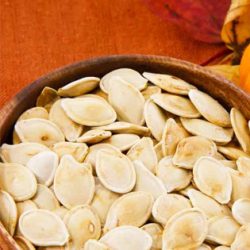
Pumpkin foods may not live up to healthy reputation: Baylor University Study
Pumpkin products proliferate this time of year -- and not just for traditional pies and breads, but for whimsical goodies that may not live up to the pumpkin's healthy reputation. Appealing to palates are pumpkin donuts, pumpkin ice cream, pumpkin latte -- even chocolate pumpkin candy. "If you believe the sales pitch, the pumpkin is the happiest, healthiest food ever," said … [Read more...]

Both red and white wine can improve sugar control: An Israeli Study
A glass of red wine every night may help people with type 2 diabetes manage their cholesterol and cardiac health, according to new findings from a two-year randomized controlled trial (RCT) led by researchers at Ben-Gurion University of the Negev (BGU). Additionally, both red and white wine can improve sugar control, depending on alcohol metabolism genetic profiling. In this … [Read more...]

Greater neighborhood access to fast-food outlets linked to lower bone mass in infants: University of Southampton Study
New research from the MRC Lifecourse Epidemiology Unit at the University of Southampton in the UK indicates that neighbourhood exposure to fast food outlets is potentially linked to poorer bone development in early childhood. The study looked at the bone mineral density (BMD) and bone mineral content (BMC) of 1107 children at birth and at four and/or six years of age and … [Read more...]

Cancer survivors often have poor diets: A Study
While most cancer survivors in the United States are motivated to seek information about food choices and dietary changes to improve their health, a new study comparing their dietary patterns to federal guidelines indicates that they often fall short. Published early online in CANCER, a peer-reviewed journal of the American Cancer Society, the findings point to the need for … [Read more...]

Many pregnant women have insufficient iodine: A Swedish Study
New research published in Acta Obstetricia et Gynecologica Scandinavica, a journal of the Nordic Federation of Societies of Obstetrics and Gynecology, found that pregnant women in Sweden had inadequate levels of iodine in their diets. Proper iodine nutrition is necessary for neurological development of the fetus. Iodine is an element that is involved in the production of … [Read more...]

High-fructose diet slows recovery from brain injury: University of California Study
A diet high in processed fructose sabotages rat brains' ability to heal after head trauma, UCLA neuroscientists report. Revealing a link between nutrition and brain health, the finding offers implications for the 5.3 million Americans living with a traumatic brain injury, or TBI. According to the Centers for Disease Control and Prevention, an estimated 1.7 million people … [Read more...]

Diet supplement keeps circadian clock from slowing down in aging: A Study
Falling levels of polyamines, compounds present in all living cells, cause circadian rhythms to slow down in older mice, reports a study published October 8 in Cell Metabolism. This effect was reversed by dietary supplementation with a type of polyamine called spermidine, which is abundant in foods such as soybeans, corn, green peas, and blue cheese. No studies have yet been … [Read more...]

MRI shows heart ages differently in women: A Study
The main pumping chamber of the heart ages differently in men and women, according to a new magnetic resonance imaging (MRI) study published online in the journal Radiology. Researchers said the findings may support different treatment approaches for men and women with heart disease. The mass of the left ventricle--the chamber of the heart that pumps blood throughout the … [Read more...]
Sedentary lifestyles leads to risk of developing kidney disease: American Society of Nephrology Study
Being sedentary for too long during the day may be a risk factor for chronic kidney disease, according to a study that will be presented at ASN Kidney Week 2015 November 3¬-8 at the San Diego Convention Center in San Diego, CA. Sedentary behavior (engaging in activities in the seated or lying position that barely raise the energy expenditure above resting level) is commonly … [Read more...]

Why you bulk up with resistance training and not endurance training: American Physiological Society Study
Resistance and endurance exercises affect the body very differently. These differences suggest that adapting to exercise involves many processes, but scientists have observed that one gene in particular, peroxisome proliferator-activated receptor-gamma coactivator PGC-1a, controls many of them. New research in Physiological Reports shows that although both resistance and … [Read more...]

Later age recommended for first screening mammogram is now 45: American Cancer Society Study
Among the changes in the American Cancer Society's updated breast cancer screening guideline is that women with an average risk of breast cancer should undergo regular, annual screening mammography beginning at age 45 years, with women having an opportunity to choose to begin annual screening as early as age 40; women 55 years and older should transition to screening every … [Read more...]

Inherent mindfulness linked to lower obesity risk: A Brown University Study
A study of nearly 400 people finds that those who exhibited more 'dispositional mindfulness', or awareness of and attention to their current feelings and thoughts, were less likely to be obese and had less abdominal fat than people who did not exhibit as much of that awareness. Dispositional mindfulness is not the same as mindfulness meditation, in which people make a … [Read more...]
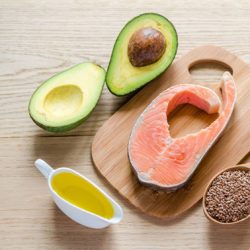
Dietary fat impacts autoimmune flare-ups: A Study
Dietary fat may impact the severity and duration of autoimmune flare-ups, suggests a study published on October 20 in the journal Immunity. Adjusting the length of fatty acids consumed by mice altered the function of T helper cells in the gut--either intensifying or alleviating symptoms in an animal model of the autoimmune disease (i.e., multiple sclerosis). A team led by … [Read more...]

Botox may prevent irregular heartbeat: American Heart Association Study
Botox -- known for reducing facial wrinkles -- may also prevent irregular heart rhythms when injected into fat surrounding the heart after bypass surgery, according to research in the American Heart Association journal Circulation: Arrhythmia and Electrophysiology. Botulinum toxin, commonly known as Botox, is produced by Clostridium botulinum bacteria. When a small amount of … [Read more...]

Vitamin D and calcium supplements fail to protect against colorectal cancer: A Study
A large, randomized study at 11 U.S. hospitals including Dartmouth-Hitchcock Medical Center found that vitamin D and calcium supplements fail to protect against developing colorectal cancer. The study results, published in the New England Journal of Medicine, did not support earlier observational studies suggesting a link between lower colorectal cancer risk with higher … [Read more...]
- « Previous Page
- 1
- …
- 105
- 106
- 107
- 108
- 109
- …
- 429
- Next Page »