
Contrary to a common belief, researchers have shown that genetic regions associated with increased risk of type 2 diabetes were unlikely to have been beneficial to people at stages through human evolution. Type 2 diabetes is responsible for more than three million deaths each year and this number is increasing steadily. The harmful genetic variants associated with this … [Read more...]

Common knee surgery may lead to arthritis and cartilage loss: A Study
A popular surgery to repair meniscal tears may increase the risk of osteoarthritis and cartilage loss in some patients, according to research presented today at the annual meeting of the Radiological Society of North America (RSNA). The findings show that the decision for surgery requires careful consideration in order to avoid accelerated disease onset, researchers … [Read more...]

Bariatric surgery appears to cut risks for serious asthma-related events: A Study
A study led by Massachusetts General Hospital (MGH) investigators suggests that bariatric surgery can significantly reduce the risk of asthma attacks -- also called exacerbations -- in obese patients with asthma. Their report, published online in the Journal of Allergy and Clinical Immunology, is the first to find that significant weight reduction can reduce serious … [Read more...]

Inhaled diesel pollution and respiratory distress linked: A Study
Researchers in the UK have, for the first time, shown how exhaust pollution from diesel engines is able to affect nerves within the lung. Air pollution is a significant threat to health, they say, and identifying potential mechanisms linking exposure to diesel exhaust and the exacerbation of respiratory diseases may lead to treatments for those affected. Mr. Ryan Robinson, a … [Read more...]

Hormone linked to calorie-burning brown fat: A Study
Researchers at Joslin Diabetes Center have discovered that a hormone long associated with weight loss and improved glucose metabolism is linked to activation of calorie-burning brown fat. This finding could have implications for production of new medications for type 2 diabetes and obesity. The results are published in the January issue of The Journal of Clinical … [Read more...]

Cancer drug protects against diabetes: University of Copenhagen Study
New research shows that low doses of a cancer drug protect against the development of type 1 diabetes in mice. At the same time, the medicine protects the insulin-producing cells from being destroyed. The study is headed by researchers from the Faculty of Health and Medical Sciences at the University of Copenhagen, and has just been published in the distinguished scientific … [Read more...]

Mental disorders in mid-life and older adulthood are more prevalent: Johns Hopkins University Study
Common methods of assessing mental or physical disorders may consistently underestimate the prevalence of mental disorders among middle-aged and older adults, a new study from the Johns Hopkins Bloomberg School of Public Health has found. The analysis, led by postdoctoral fellow Dr. Yoichiro Takayanagi, and published in the January 8 online edition of JAMA … [Read more...]

Too much hygiene cause diabetes: A Study
The incidence of auto-immune diseases like type 1 diabetes and allergies has risen dramatically in developed countries over the past fifty years. The reasons for this trend are not fully understood but a theory known as the 'hygiene hypothesis' links it to a rise in hygiene standards. According to this theory, eliminating bacteria in food and the environment of infants may be … [Read more...]

Sugar-sweetened beverage tax could reduce obesity and type 2 diabetes in India: A Study
A sugar-sweetened beverage (SSB) tax could help mitigate the rise in obesity and type 2 diabetes rates in India among both urban and rural populations, according to a study published this week in PLOS Medicine. Sanjay Basu and colleagues, from Stanford University, USA, estimated that a 20% SSB tax across India could avert 11.2 million cases of overweight/obesity and 400,000 … [Read more...]

Scientists discover new causes of diabetes: University of Exeter Study
Research by the University of Exeter Medical School has revealed two new genetic causes of neonatal diabetes. The research, published today in the journal Cell Metabolism, provides further insights on how the insulin-producing beta cells are formed in the pancreas. The team discovered that mutations in two specific genes which are important for development of the pancreas can … [Read more...]

Personal health record associated with improved medication adherence: A Study
Patients with diabetes who used an online patient portal to refill medications increased their medication adherence and improved their cholesterol levels, according to a new study in the journal Medical Care. Online patient portals allow users to perform tasks such as scheduling appointments, accessing their health records, viewing their lab test results and emailing their … [Read more...]

Lower fat content for adolescents diets: A Study
The prevalence of excess weight and obesity among adolescents and, as a result, the concomitant problems, has increased considerably in recent years. A study by the UPV/EHU has confirmed that, irrespective of the total calories consumed and the physical activity done, an excessive proportion of fat in the diet leads to a greater accumulation of fat in the abdomen. The study has … [Read more...]

Few persons with metabolic syndrome adhere to nutrition recommendations: A Finnish Study
Adherence to dietary recommendations is weak among people suffering from metabolic syndrome or having increased risk for metabolic syndrome, according to the Nordic SYSDIET study led by the University of Eastern Finland. In most cases, the diet is too high in salt and saturated fat, and too low in dietary fiber and unsaturated fat. Furthermore, many don't have a sufficient … [Read more...]

More evidence suggests type 2 diabetes is inflammatory disease: A Study
As people's waistlines increase, so does the incidence of type 2 diabetes. Now scientists have a better understanding of exactly what happens in the body that leads up to type 2 diabetes, and what likely causes some of the complications related to the disease. Specifically, scientists from Denmark have found that in mice, macrophages, a specific type of immune cell, … [Read more...]

A cure for vitamin B6 deficiency: A Swiss Study
Plant scientists engineered the cassava plant to produce higher levels of vitamin B6 in its storage roots and leaves. This could help to protect millions of people in Africa from serious deficiencies. In many tropical countries, particularly in sub-Saharan Africa, cassava is one of the most important staple foods. People eat the starchy storage roots but also … [Read more...]
Getting more sun in pregnancy can lead to higher birth weight and later puberty for girls: A Study
Women who were born in the summer are more likely to be healthy adults, suggests new research published in the journal Heliyon. The authors of the study, which involved almost half a million people in the UK, say more sunlight -- and therefore higher vitamin D exposure -- in the second trimester of pregnancy could explain the effect, but more research is needed. According to … [Read more...]

Lithium safe and effective for children with bipolar disorder: Johns Hopkins Medicine Study
A multicenter study of young patients with bipolar disorder provides what may be the most scientifically rigorous demonstration to date that lithium -- a drug used successfully for decades to treat adults with the condition -- can also be safe and effective for children suffering from it. The study, led by a researcher at the Johns Hopkins Children's Center and published … [Read more...]

Beet juice helpful in overcoming altitude sickness: A Norwegian Study
Ever since human beings first began climbing the world's tallest mountains, they have struggled with a basic problem: altitude sickness, caused by lower air pressures which affect the ability of our bodies to take up oxygen. Or, as actor Jason Clarke says in his role as the climbing guide Rob Hall in the recently released movie, Everest, "Human beings simply aren't built to … [Read more...]

Precision injections of Botox into migraine: A Study
Researchers are using a high-precision instrument to inject toxins that alleviate migraine attacks. This means even better needle guidance and user-friendliness. It looks like a pistol in which the stock has been replaced by a long needle. The tool, called MultiGuide, has been developed by NTNU and is based on an invention made by Dr. Daniel Bratbak at St. Olav's Hospital. … [Read more...]
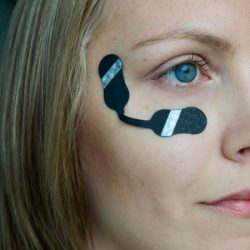
Beauty patch is applicable from skincare to medical patches: A Finnish Study
Scientists have analyzed the effectiveness of its beauty patch, using a technique for imaging live tissue to demonstrate the patch's beneficial effects on the skin. Preliminary results show that already after two weeks usage the patch together with cosmetic serum adds collagen, which helps skin tissue to stay supple. VTT Technical Research Centre of Finland has … [Read more...]

Being single is much more than handling just loneliness: A Study
With 51% of Britain's population registered as unmarried (ONS, 2012), half of adult Americans currently unattached (Bureau of Labor Statistics), and over half of the households in Paris, the city of love, made up by only-ones, having no significant other seems to be today's latest trend. Yet the world isn't quite the singles' oyster; when it comes to being single, society is … [Read more...]

Women: A longer break from work leads to less interest in a career: A German Study
Family policy influences not only families’ economic behaviour, but also sends out clear normative signals on which people base their individual life plans: The longer a mother takes a break from work after the birth of a child, the more she loses interest in her own career: Professor Markus Gangl and Dr. Andrea Ziefle, sociologists at Goethe University in Frankfurt, are now … [Read more...]

Workplace mentors benefit female employees: University of California Study
The success of online networking sites such as LinkedIn illustrates the popularity of building a wide-ranging contact list. Yet when it comes to raising one's profile within the workplace, female employees stand much to gain from formal, face-to-face mentoring programs, according to a new study. In the paper, "Network Intervention: A Field Experiment to Assess the Effects of … [Read more...]

Smoking cessation drug more effective for women: A Yale University Study
The most effective prescription drug used to quit smoking initially helps women more than men, according to a Yale School of Medicine study. The study, published Oct. 7 by the journal Nicotine and Tobacco Research, found that varenicline, marketed as Chantix, was more effective earlier in women, and equally effective in women and men after one year. "Studies show that women … [Read more...]

Social influence of online peers improvs exercise habits: University of Pennsylvania Study
Can the Web make people more fit? It's a question hot on the minds of everyone from health insurers to gym owners to public health officials. Although millions of dollars a year are being spent designing promotional ads and social media campaigns, they clearly aren't working: more than 43 percent of Americans get insufficient levels of daily exercise, and nearly a third are … [Read more...]

Regular exercise relieves asthma symptoms: A Concordia University Study
Millions of people suffer from asthma. Many report having poor control of their symptoms. Fortunately, new research shows there is a simple antidote: 30 minutes of exercise a day, year-round. In a study recently published in BMJ Open Respiratory Research, experts from Concordia University, the Hôpital du Sacré-Coeur de Montréal and several other institutions* analyzed the … [Read more...]

Cow’s milk promotes absorption of essential antioxidant: A Ohio State University Study
New research shows that the estimated one-third of Americans who have a cluster of health problems that add up to metabolic syndrome don't absorb dietary vitamin E as effectively as healthy people. The same study also had good news for the whole population: Cow's milk with or without fat promotes absorption of the natural form of vitamin E found in foods. People in the … [Read more...]

Sex is more likely by college students when they use marijuana or binge drink: A Oregon State University Study
Undergraduate college students were more likely to have sex on days they used marijuana or binged on alcohol than on days they didn't, new research from Oregon State University has found. Binge drinking and being in a serious dating relationship also were linked with less condom use, putting young adults at risk for sexually-transmitted infections and unplanned … [Read more...]

Emotional infidelity makes women more jealous: Norwegian study
A recent Norwegian study shows that men and women react differently to various types of infidelity. Whereas men are most jealous of sexual infidelity, so-called emotional infidelity is what makes women the most jealous. Evolutionary psychology provides an explanation for why this can be. If your partner has sex with someone else, it is considered infidelity -- even if no … [Read more...]

Behavioral disorders as risk factors for chronic pain in teenagers: A Swiss Study
One in four young people have experienced chronic pain and a mental disorder. According to a new report in the Journal of Pain, the onset of pain is often preceded by mental disorders: an above-average rate of incidence of depression, anxiety disorders, and behavioral disorders occurs before the onset of headaches, back pain and neck pain. The report is based on the findings of … [Read more...]
- « Previous Page
- 1
- …
- 108
- 109
- 110
- 111
- 112
- …
- 429
- Next Page »